Aarav Dengla on 'Gens Una Sumus' and the lessons from the chessboard

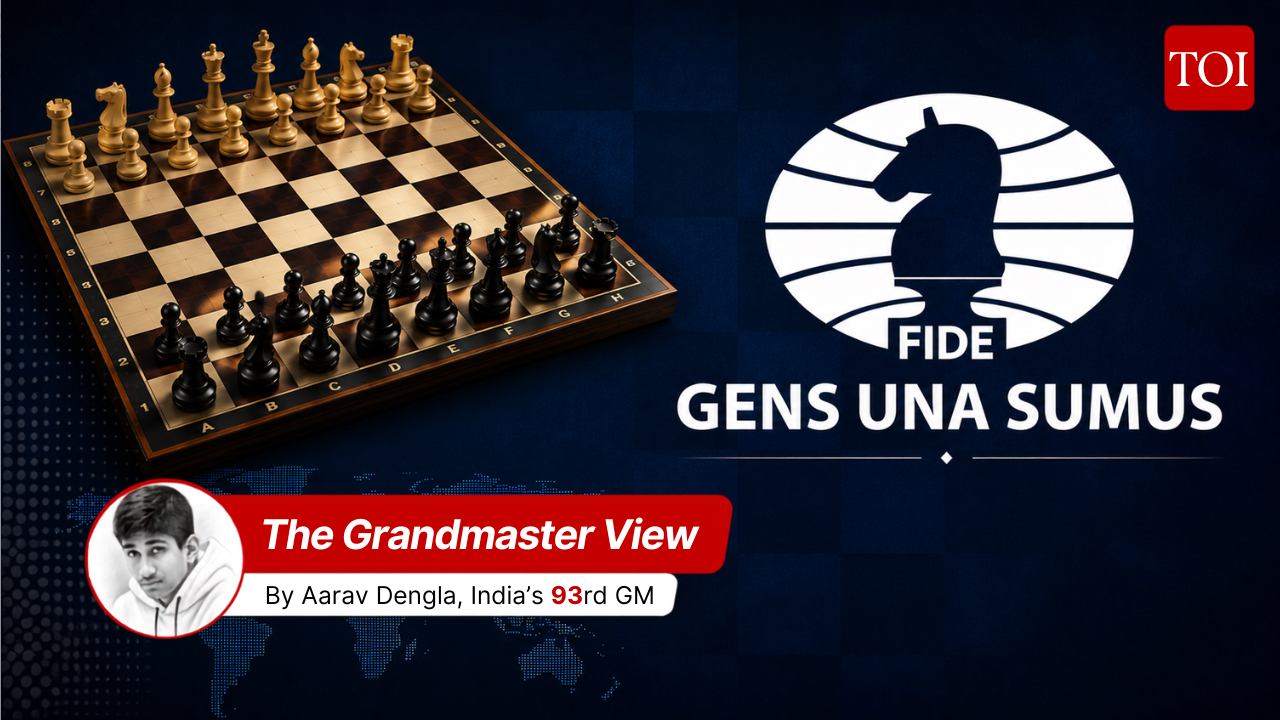
India’s young Grandmaster Aarav Dengla has tested his skills against opponents spanning every age group and coming from nations around the globe. In his first contribution to The Grandmaster View column he returns to an early impression: three Latin words beneath the FIDE emblem that first grabbed his attention as a seven-year-old.
Dengla frames his piece around recollections from tournament halls and the quiet rituals that follow every game, using those moments to trace a deeper meaning behind a short phrase. He writes about how that motto, etched beneath the chess federation’s crest, kept recurring through travels and matches and became a touchstone for how he understands the game and those who play it. These impressions form the backbone of his debut column, which moves from memory to reflection without departing from the simple symbol that started it all. Central to his argument is the phrase Gens Una Sumus - "We are one family".
He begins with the imprint childhood left on him: a small, unassuming phrase seen while still very young. That sight stuck with him through the years, resurfacing in crowded event rooms, quiet practice sessions and the transition from amateur to grandmaster. The column traces how a seven-year-old’s curiosity about a few Latin words expanded into a lifetime’s association between a slogan and the people who share the board.
Dengla describes facing opponents who differed widely in age yet shared certain patterns of behaviour and respect, an observation he connects back to the emblem’s inscription. He stresses that those encounters—whether brief matchups or longer rivalries—repeatedly highlighted a common humanity that the words point to. The consistency of those experiences at tournaments abroad and at home reinforced his sense that the phrase was more than ceremonial.
Alongside competitive memories, he pays attention to the small, recurring moments that follow each contest, which he calls the quiet rituals that follow every game. Those rituals, he suggests, are part of what binds players, turning isolated battles into an ongoing conversation between people who, despite winning or losing, return to the same shared practice. It is in those intervals—neither in the result nor in the applause—that the motto often felt most relevant to him.
Dengla’s writing links the universality of those post-game patterns with the international character of chess, noting how meeting opponents from many countries brought similar lessons into sharper relief. The repetition of comparable exchanges and habits across different venues made the Latin words beneath the emblem read less like a slogan and more like a lived principle. In his telling, the cross-border nature of competition served to underline rather than dilute the sentiment.
He also charts the idea’s effect on his personal view of the sport, describing how the maxim informed his sense of belonging within the chess world. The phrase provided a frame for interpreting both competitive moments and quieter, shared experiences, and it continued to surface in his reflections as his career advanced. Through those repeated encounters, the words beneath the emblem took on cumulative weight for him.
Dengla concludes by reaffirming the emblem’s three Latin words as more than decorative text: Gens Una Sumus - "We are one family". For him, that short motto has become a defining lens through which he reads the board, the people he meets and the rituals that follow each match.