Aichi-Nagoya organisers promise to tackle athlete accommodation issues ahead of Asian Games

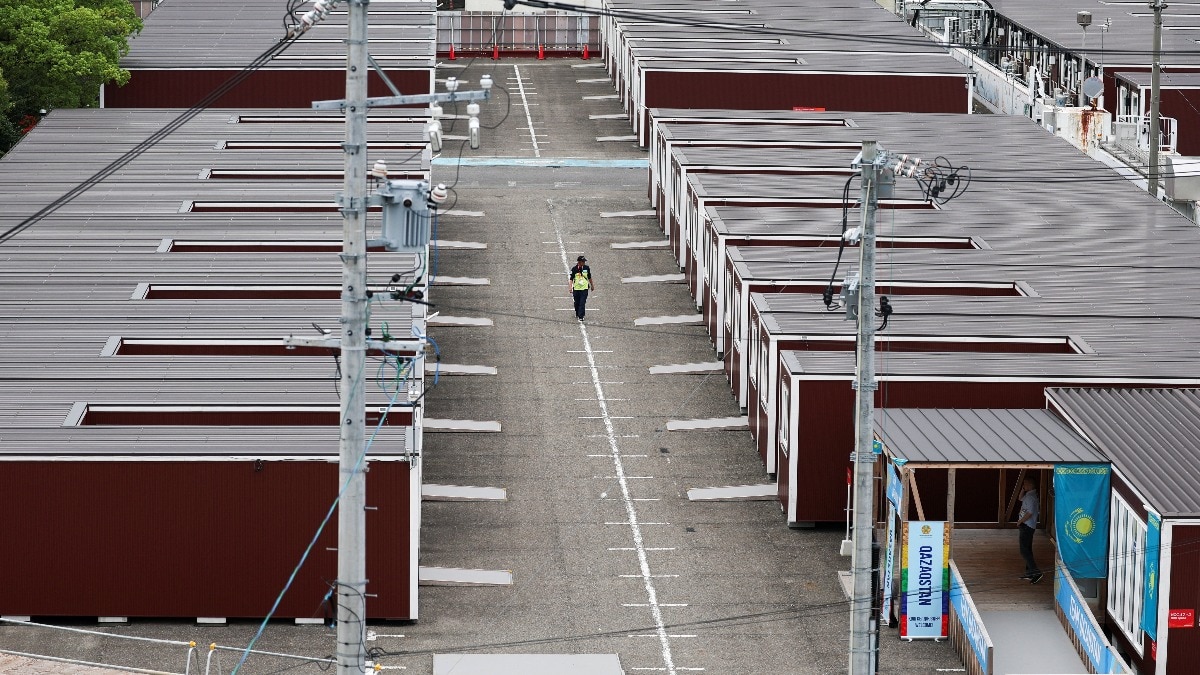
Organisers of the Aichi-Nagoya Asian Games pledged to address complaints from athletes and officials about accommodation just days before the Games officially open, saying concrete steps are already being taken to improve living conditions. "We are fully aware of the dissatisfaction and concerns voiced by the athlete delegations," accommodation manager Yuta Matsuo told Reuters. "However, we are not merely acknowledging these issues, we are already taking concrete steps to improve the environment for the athletes, including their living conditions during their stay."
The Games officially begin on Saturday, with football and basketball competitions already underway, and more than 17,000 athletes and officials expected to take part. Organisers did not build a dedicated Athletes' Village and have instead planned to house participants across temporary cabins, hotels, Airbnbs and a cruise ship. The number of participants rose from an initial planning figure of around 15,000 after additional sports were added to the programme, creating pressure on the chosen accommodation model.
Sports Ministry sources told India Today there had been delays in allocating some container accommodation to members of the Indian contingent, though those sources said the problem was not limited to India and that several foreign teams were also facing delays. Organisers are working to finalise arrangements under a model that differs from previous editions of the Asian Games.
The Italian cruise ship Costa Serena arrived at Kinjo Pier in Nagoya on Tuesday and will serve as accommodation for around 4,000 participants during the Games. Around 2,000 athletes and officials are expected to stay in temporary, shipping-container-style cabins in the port area. Aichi-Nagoya Asian Games president Hideaki Ohmura welcomed the cruise ship's arrival, describing the "ship hotel" as an innovative accommodation solution for a major international sporting event.
South Korea has been among the more vocal delegations about the arrangements, with Jung Jae-yong, vice-president of the Korea Basketball Association, describing the temporary cabins as the worst accommodation he had encountered and raising concerns about bed size. "Athletes who are over two metres tall cannot even stretch their legs out on the beds. It's unreasonable," Jung said. South Korean basketball player Byeon Jun-hyeong posted a video showing water leaking from a sink and soaking the floor of his cabin, accompanying it with a plea for help; Jung said South Korean officials had raised the concerns but had yet to receive a response from the organisers at that stage.
Matsuo said organisers understood the dissatisfaction among delegations and that sustainability was a central consideration in the accommodation plan, adding that different delegations would have different requirements even though the arrangements had been approved by the Japanese Olympic Committee. A 24-hour resident centre will operate during the Games to handle complaints and problems raised by athletes and officials. "We are making every effort to ensure that athletes do not have to remain anxious or worried for prolonged periods of time," Matsuo said, and he acknowledged some cabins on the Costa Serena could be small while urging athletes to use the ship's shared facilities and recreational spaces.
Philippine Olympic Committee president Abraham Tolentino said his country's athletes had been provided rooms but that some support staff, including coaches, had been moved to different hotels and Airbnbs. In a joint statement with the Olympic Council of Asia last week, the Aichi-Nagoya Asian Games Organising Committee said the number of participants would be capped at 17,000 and that accommodation would be guaranteed for everyone attending within that limit. The Asian Games officially open on Saturday and will run until October 4.