Alexandra Eala cleared of WTA sanction after choosing Asian Games over China Open

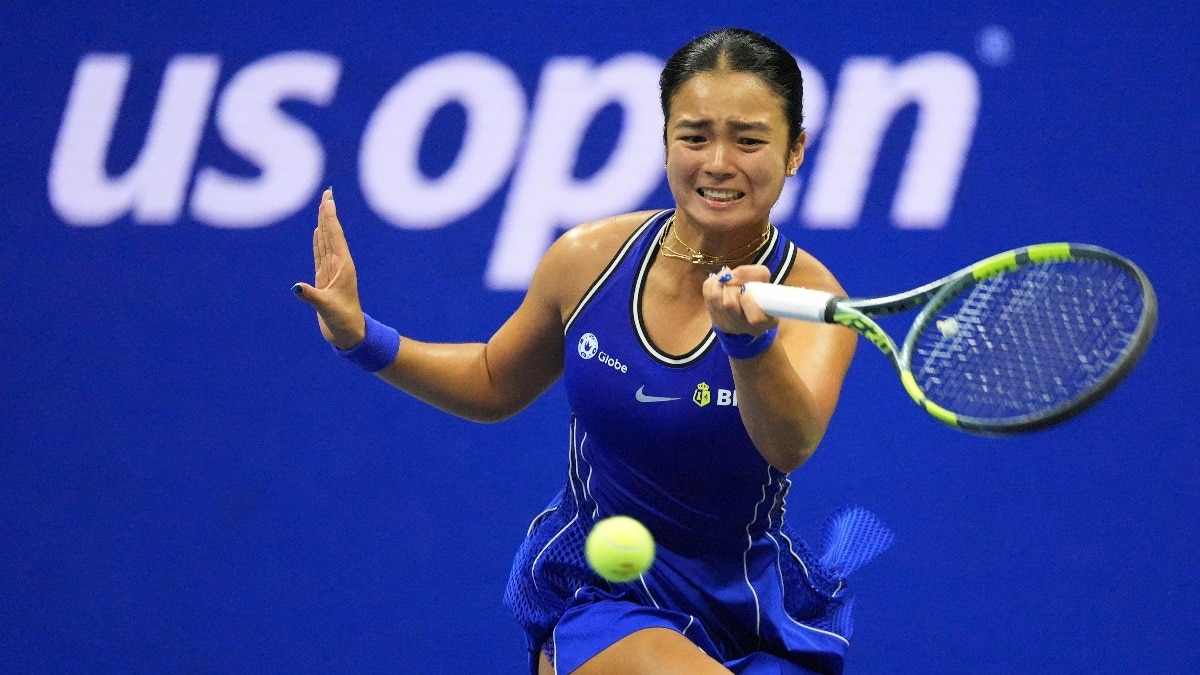
Alexandra Eala avoided a potential Women’s Tennis Association (WTA) sanction after electing to represent the Philippines at the 2026 Asian Games in Aichi‑Nagoya, Japan, which ran from September 30 to October 4, instead of playing the China Open in Beijing. Philippine Tennis Association (PHILTA) executive director Tonette Mendoza confirmed on Thursday that the WTA had not imposed a penalty following Eala’s decision.
Eala’s Asian Games commitment conflicted with the WTA 1000 China Open in Beijing, and players who miss mandatory WTA events can face financial penalties and ranking consequences. The Filipina was reported to have risked a $10,000 fine for skipping the Beijing tournament. After Eala decided independently to play for the national team, PHILTA sought clarification from the WTA and requested a waiver of any possible punishment. PHILTA pursued the matter to determine how the tour’s rules applied to an athlete competing in a continental, Olympic‑qualifying event.
Mendoza said the WTA asked a small set of questions before concluding its response: "The WTA just asked us a few questions: if she made a decision on her own, meaning it was not under pressure from anybody in the government or the national federation, and if it is an Olympic qualifier for our country," Mendoza said. PHILTA answered yes to both queries, confirming Eala’s choice was voluntary and that the Asian Games served as an Olympic qualifier. Mendoza said the WTA did not follow up after receiving those answers.
PHILTA’s reading of the tour regulations formed the basis of its argument against sanctioning Eala, with Mendoza explaining the rules appear aimed at players who miss mandatory events to play exhibitions rather than to represent their countries. "Reading the rules of the WTA, the penalties and whatever points when you miss the mandatory tournament are really designed for players who omit these tournaments because they want to play in exhibitions," Mendoza said. "It’s silent on representing the country." The distinction underpinned PHILTA’s position that national duty should not trigger the same penalties as skipping mandatory events for commercial exhibitions.
Mendoza added that she had met representatives of the International Tennis Federation (ITF), now known as World Tennis, the previous week and said officials there were supportive: "They were very supportive of players representing the country," she said. She also referenced the WTA’s introduction of revised rules late last week concerning players who wish to compete for their countries, suggesting those changes could reduce similar conflicts going forward. Mendoza credited the Philippine government’s public opposition to a potential sanction with strengthening Eala’s case and said: "Thank you po sa gobyerno (Thanks to the government); because it really went out that the government was opposing it, and I think it pressured everybody that they cannot now impose a fine on a person who wants to represent their country," Mendoza said.
Eala proceeded to win the bronze medal in the women’s singles at the Asian Games after her campaign ended in the semifinals against China’s Wang Xiyu. Her choice to prioritise national representation produced a podium finish and reopened discussion on how professional‑tour regulations should treat athletes competing for their countries.