Algorithms Blunt Spa Drama as Russell’s Energy Failure Ruins Belgian Grand Prix Bid

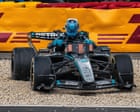
Computer-managed energy systems dominated the Belgian Grand Prix at Spa-Francorchamps, leaving drivers frustrated and a classic race drained of the excitement fans expect. George Russell’s Mercedes suffered a failure to recover energy through turn one, leaving him with no electrical power to deploy and ultimately costing him his race after contact at Les Combes.
Racing at Spa-Francorchamps normally produces high drama, but this weekend the influence of computer-controlled energy deployment shaped outcomes more than driver decisions. There was an overriding sense among the paddock that the competition had been overtaken by numbers and automated systems rather than on-track craft. In the wake of the Belgian Grand Prix, several teams and drivers expressed disquiet at how software and algorithms are dictating performance windows. For many, that left a feeling of wanting to escape — not from the circuit itself but from the technology governing car behaviour.
George Russell was the principal focus of that frustration in Belgium. The Mercedes driver’s championship hopes took a severe blow when his engine did not recover energy through turn one and he was left with no electrical power to deploy. Deprived of that crucial performance element, Russell was swallowed up by the Ferraris and then became embroiled with Lewis Hamilton. Hamilton clipped him through Les Combes and Russell was pitched out of the race, ending his contention for points on a weekend that had begun with promise.
Teams spent much of the day wrestling with the implications of energy control systems that can intervene without direct driver input. Engineers and strategists are now accountable to software logic that governs when and how much electrical power is available, which can abruptly alter a car’s competitiveness. Drivers have found those parameters can negate tactical choices they would normally make, turning formerly decisive moments into exercises in compliance with the data-driven framework.
The atmosphere in the paddock suggested a growing rift between the engineering mandate and the sporting spectacle. Several participants indicated a preference for less intrusive automated control so that driver skill and split-second judgement remain central to race outcomes. At Spa, the result felt symptomatic of that wider tension: a venue celebrated for its high-speed battles was instead shaped by invisible processes deciding who could attack and who had to defend.
Spa-Francorchamps provided the setting for a debate about where control should sit in modern Formula 1, and the Belgian Grand Prix offered a stark example of the consequences when it lies with code rather than the cockpit. If the weekend convinces stakeholders to reassess those systems, future races may restore more of the on-track autonomy drivers seek; if not, similar scenes are likely to recur.