Anahat Singh: Name drawn from Guru Nanak's Japji Sahib and India's World Junior squash champion at 18

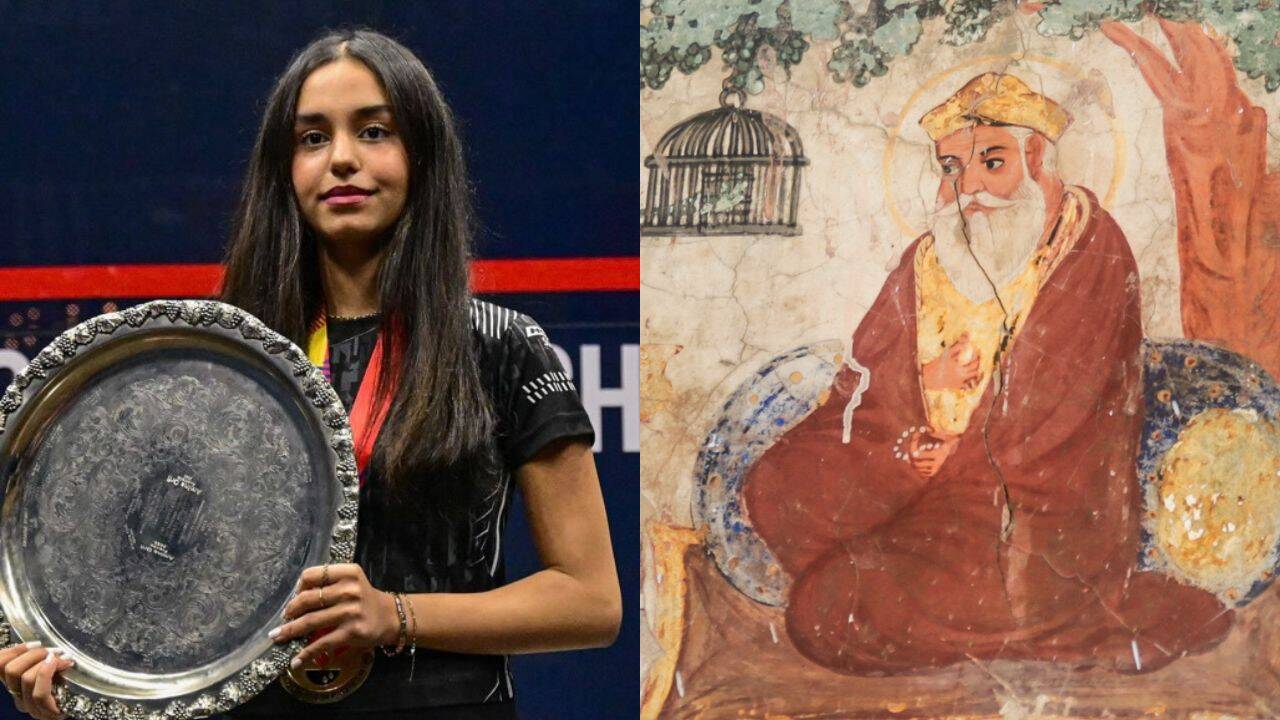
Anahat Singh's given name comes from a line in Guru Nanak's Japji Sahib, a choice her father made on the day she was born. She went on to become India's first-ever World Junior squash champion at just 18.
The single-word name, taken from the Japji Sahib, was identified by her father at the moment of her birth and has remained part of the narrative surrounding her life and career. She was raised in a sporting family whose influence helped shape her early involvement in athletics. Over the years that upbringing intersected with her personal drive and development in squash. That convergence ultimately led to the landmark junior world title for India.
The origin of Anahat's name links her to a spiritual source from the outset; the word itself appears in a line of Guru Nanak's Japji Sahib and was invoked by her father when she was born. That naming decision has been cited in profiles of her background as a formative piece of her identity. The connection to the Japji Sahib provides a cultural and familial frame for her story.
Her immediate family environment is described as sporting and played a formative role in her path into organized sport. Family members and the broader sporting context around her offered a foundation for training and competition during her formative years. Those early influences contributed to the structure of her athletic progression without altering the fact of the achievement she later attained.
The progression of her career reached its peak at the World Junior level when she secured the title, a first for India. Winning that event at the age of 18 represented the culmination of the journey that began with the choices and support she received from family and the name given at birth. The victory stands as a historic milestone for Indian squash.
Anahat Singh's story ties together a name from Guru Nanak's Japji Sahib, a sporting family that shaped her development, and an extraordinary ascent ending in India's first-ever World Junior squash title at just 18. Those elements together form the core of her public narrative.