Archery Premier League seeks to narrow India’s Olympic shortfall in Hyderabad season

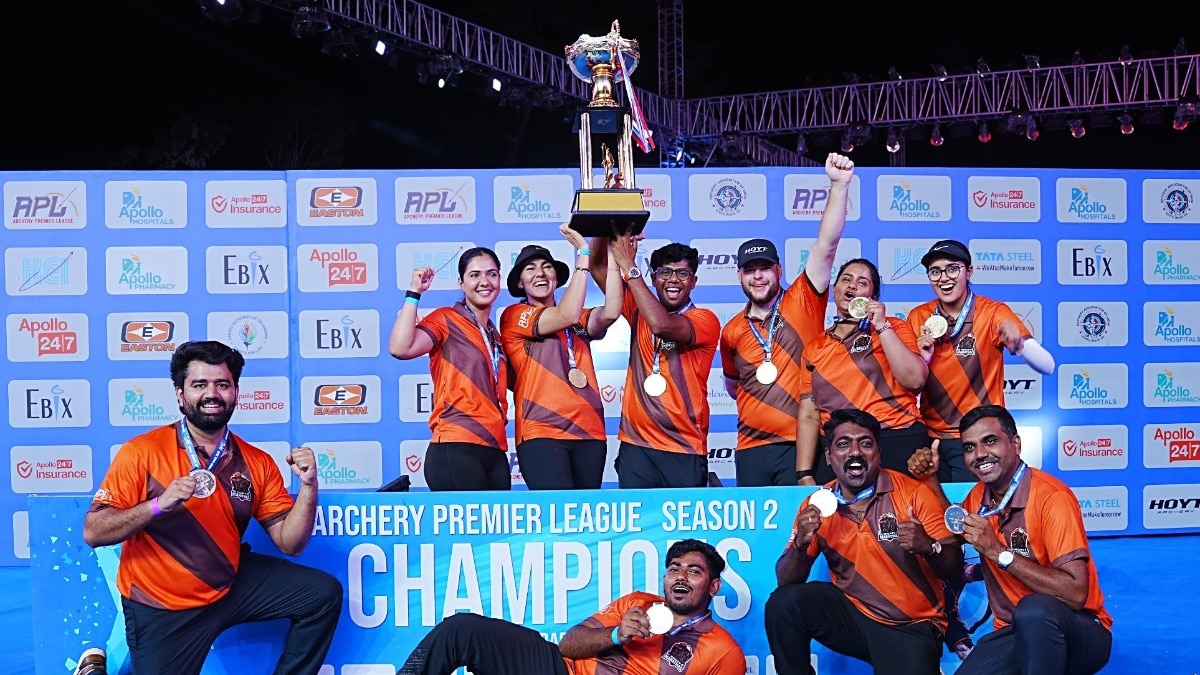
Anil Kamineni says the Archery Premier League’s second season in Hyderabad in October 2026 was staged to help Indian archers close the gap on the Olympic stage by exposing them to international opponents and a faster, team-focused format. IndiaToday.in spoke exclusively to the APL chairman and director about the league’s goals and the events that unfolded during the season.
India’s archers have won medals at continental championships, World Cups and world championships, but the Olympics remains the exception, a problem Kamineni said prompted the APL’s creation. “We have been winning medals everywhere except at the Olympics. What is it that we are not doing right?” he recalled asking, and added: “We analysed the situation and found that several other sporting disciplines had benefited from having leagues of their own. We also noticed an improvement in athletes’ performances in those sports. So we thought, ‘Okay, let’s start our own league.’”
A core objective of the APL is to field leading international archers alongside India’s top performers so younger domestic athletes can observe elite routines and pressure management in competition. The league also mixes recurve and compound disciplines within the same event to create interaction between athletes who normally compete in separate circuits.
Competition format changes were central to the APL’s experiment: teams receive 120 seconds to shoot eight arrows per set—an average of 15 seconds per arrow, compared with the conventional 20-second allowance. Kamineni said the change was introduced to encourage archers to establish their rhythm and focus more quickly. “What we have observed is that some archers who shoot faster are performing well. Others tend to take more time, but that can affect the team. They are beginning to realise this and are improving their pace accordingly,” he said.
The APL’s team structure places additional emphasis on collective output, with each squad fielding four archers—one man and one woman in both recurve and compound—so individual timing and accuracy must align with team demands. The Hyderabad range sits beside Hussain Sagar Lake, where intermittent gusts, particularly on the penultimate day, forced athletes to make wind assessments and adjustments within the league’s tighter time window.
The league’s shoot-off rules and sudden-death deciders intensified pressure in tied contests. In the first qualifier between the Mighty Marathas and the Kakatiya Knights, Dhiraj Bommadevara shot an eight with his final arrow when the Marathas were poised to win, leaving the match level at 4-4 and allowing the Knights to prevail via the Shortcut Decider. Bommadevara helped the Marathas advance through the second eliminator and, in the final, shot 79 out of a possible 80 points and produced the winning arrow.
Kamineni highlighted promising performances from India’s younger cohort, citing a 16-year-old who impressed him and naming Kumkum Mohod, 17, and Chikita, 20, for their showings at the Asian Games. He also described the APL’s selection method for Indian participants, saying the league chooses its domestic entries on the basis of national selection trials, with the top nine archers picked for the respective teams.
Kamineni pointed to early signs of impact from the APL on India’s wider results: “We have already seen the impact within just a couple of months of our APL season. At the Asian Championships, our archers performed exceedingly well, and that momentum continued at the Asian Games, the World Cups and the World Championship finals, where they won gold medals,” he said.
The league’s stated aim is to present a more demanding competitive environment by combining international talent and different disciplines under one format; whether that will convert into Olympic success, Kamineni said, will depend on how the APL’s format and experiences translate into sustained performances when the stakes are highest.