Australia face selection crisis after innings defeat in Gqeberha ahead of Cape Town decider

Australia were beaten by an innings and 31 runs by South Africa in the second Test at Gqeberha, a result reported on 24 October 2026, leaving selectors with a raft of difficult choices before the series decider in Cape Town. The 99 all-out first innings and the scale of the defeat have intensified scrutiny of a fragile batting lineup with less than a week between matches to make changes.
The loss exposed recurring problems at the top of Australia’s order and underlined a willingness from selectors to tinker with bowling combinations while remaining hesitant to remove established batters. Marnus Labuschagne’s struggles have been especially prominent, but the team faces multiple selection dilemmas across the top six. That pressure has increased after the second Test, with the third Test in Cape Town now shaping up as a make-or-break selection meeting point.
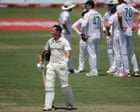
Labuschagne has managed three scores in the 30s from four innings in the series and was criticised for lofting off-spinner Simon Harmer toward the long-on fence when time at the crease was Australia’s only hope at St George’s Park. The 32-year-old has now gone more than three years without a Test century and has averaged 22.09 in 47 innings since his last hundred at Old Trafford. He has not averaged more than 40 in a Test series since compiling 207 runs with three half-centuries against Pakistan in 2023-24, and his Test average has fallen from above 61 in late 2022 to 43.36.
Cameron Green and Josh Inglis are expected to be available for the third Test after recovering from injuries sustained during the one-day leg of the tour, with Green nearing a return after an abdominal strain in the third ODI and spending time batting in the nets as the second Test played out. Head coach Andrew McDonald has said Green is unlikely to bowl in the Test series against South Africa, and the report notes Green’s recent century and half-century from No 5 in the drawn series against Bangladesh as evidence of his batting form. Inglis remains established in white-ball cricket but has not consolidated a place in the longest format since a debut century against Sri Lanka.
Cooper Connolly has been mentioned as back in the frame, though selectors will have to decide whether to persist with Beau Webster and how conditions at Newlands might influence that choice. One practical option under consideration is moving Matt Renshaw back to the top order, which could allow Green to return in the middle order and open opportunities for Inglis or Connolly for the third Test.
The recall of Nic Maddinson after almost a decade away from Test cricket — and more than 18 months without first-class cricket while recovering from testicular cancer — has produced mixed returns. Maddinson finished with a 33-ball duck and followed that with a quick-fire 48 in the second innings in Durban, but he was dismissed by Kagiso Rabada for a duck and eight in Gqeberha, a sequence the report says is likely to end his surprise selection.
Australia have not lost a bilateral Test series since early 2023 and, the report notes, have not been beaten by a side other than India since Pakistan’s series win in 2018. The piece adds that the side, captained by Pat Cummins, has tended to ride out highs and lows, but that the demanding schedule stretching through the top end of Australia, this South Africa tour, a home series against New Zealand and forthcoming tours to India and England already looks like being blown off course.
With the third Test in Cape Town serving as the series decider, selectors face urgent decisions about the top order and several spots in the middle order before the next match, with less than a week available to implement changes.