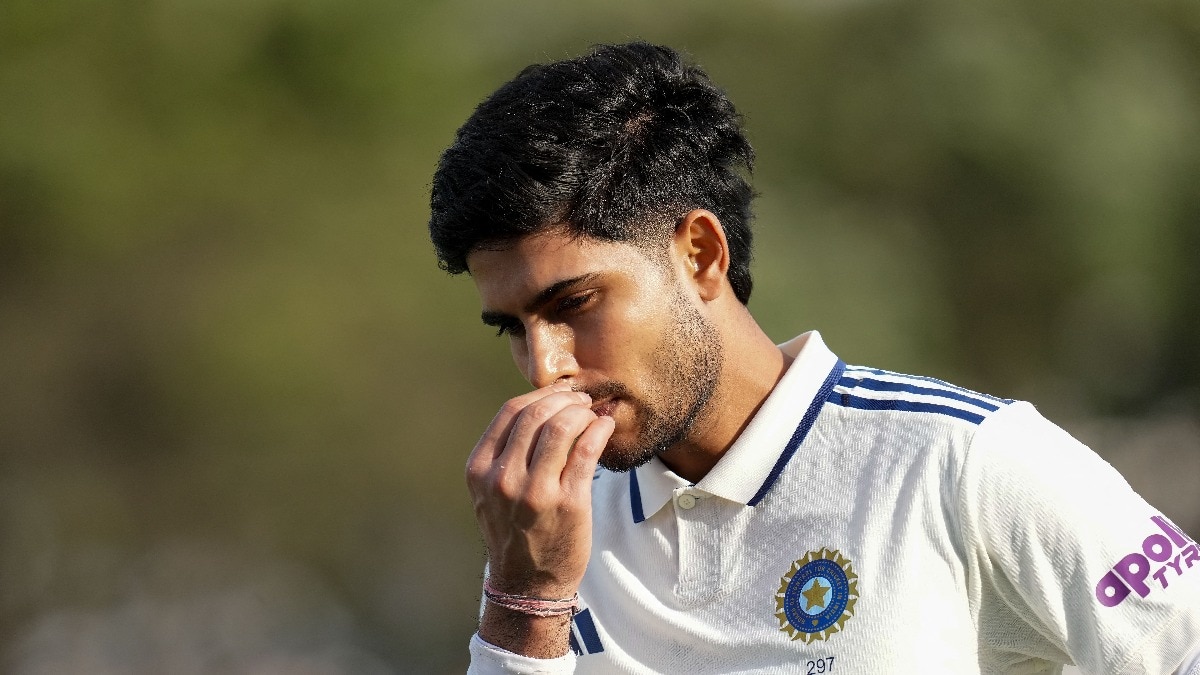
Bangar questions Tilak Varma’s slow start after India A fall to Pakistan A in Asia Cup Rising Stars

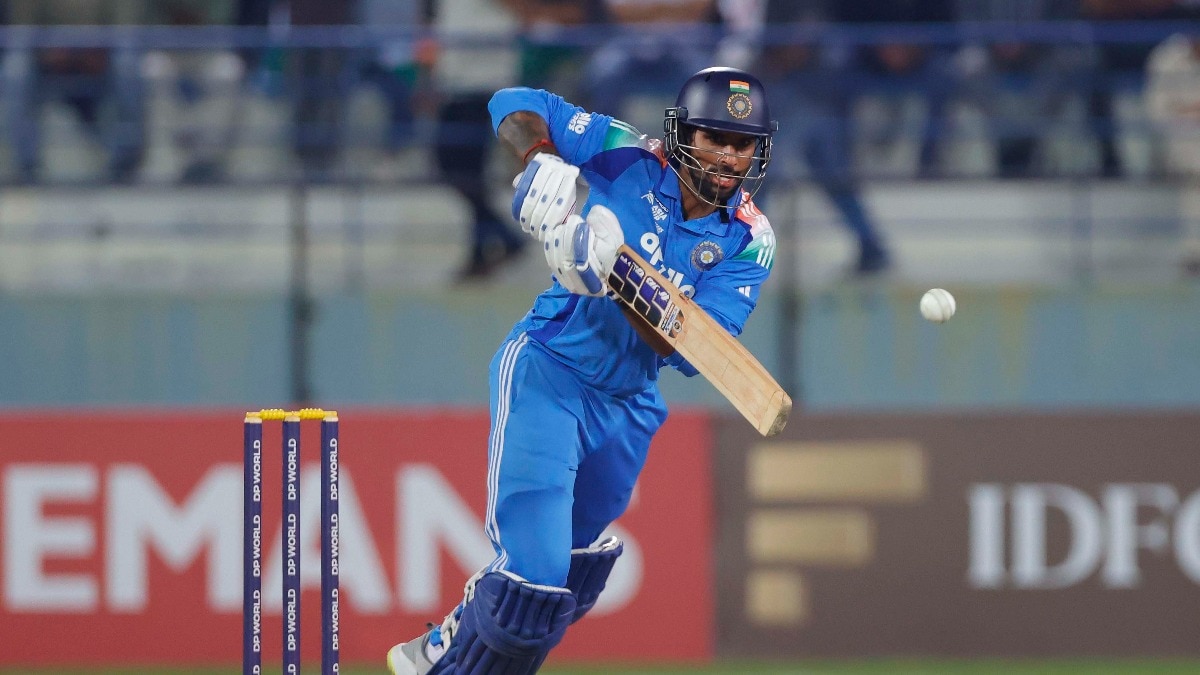
Former India batting coach Sanjay Bangar criticised Tilak Varma’s slow start following India A’s chase against Pakistan A in the Asia Cup Rising Stars on November 23, 2026, saying it may have put pressure on the other batters; India A lost by 48 runs while chasing a target of 314 after Pakistan A were all out for 313 and India were dismissed for 265.
India A had begun their campaign with a 306-run victory over Nepal, but their second match ended in defeat as questions were raised about the tempo of the chase. Bangar made his remarks on Sony Sports, pointing to Tilak’s early scoring pattern and suggesting that an inability to rotate strike at one end could force the non-striker into riskier shots. He drew attention to specific ball-by-ball numbers from Tilak’s stay and linked them to possible tactical consequences for the partnership at the other end.
On air, Bangar outlined the sequence of Tilak’s scoring in the first half of his innings: "He scored three runs off his first 25 balls, and then maybe 12 or 13 runs over the next 25 deliveries. When you play 50 balls and reach 18 or 21, what effect does that have on the batter at the other end?" He followed that observation by raising the prospect of the partner being compelled to alter their approach: "Because Tilak himself is confident that he'll make up for it, what effect does it have on the other batter? Will they take extra risks, or feel forced to take extra risks, which can create a wicket-taking opportunity?"
India’s chase had early impetus through Abhishek Sharma, who struck 70 off 42 balls with six fours and six sixes, reaching fifty in 31 deliveries. Abhishek specifically targeted Mohammad Imran, hitting him for two fours and two sixes, and also punished Hasan Nawaz with two sixes and a four before he was dismissed after mistiming a shot off Nawaz and being caught by Pakistan captain Abdul Samad at mid-off; his departure removed a major source of aggression from the innings.
Tilak finished with 100 off 149 balls, but his innings featured a slow start—just eight runs off his first 36 deliveries—before his scoring rate improved late. Shahbaz Ahmed supplied later momentum with 56 off 41 balls, and he and Tilak added 112 for the seventh wicket; that partnership, however, came too late to overhaul Pakistan’s total.
Bangar also criticised India’s handling of left-arm spinner Mohammad Nawaz, questioning why Nawaz was allowed to bowl his full quota on a surface offering turn and advocating for a right-left batting combination to disrupt the bowler’s rhythm. "On a turning pitch like this, the effort should definitely have been to use a right-left combination, which would have made rotating the strike a bit easier, and Pakistan wouldn't have gotten the chance to bowl all 10 overs of Nawaz," Bangar said. "Then perhaps, when trying to build a partnership, the Indian team might have found success there," he added.
Pakistan A’s total was built on contributions from Maaz Sadaqat (59), Mohammad Nawaz (79) and Farhan Yousaf (56 off 48), which propelled them to 313 all out and set the 314-run target India A failed to chase.
Bangar concluded by noting the heightened scrutiny that accompanies India-Pakistan matches: "When results don't go in your favour, and this is an India-Pakistan match, a big rivalry, questions are bound to be asked," he said.