BCCI revises umpire pay, introduces merit-based promotion-relegation system

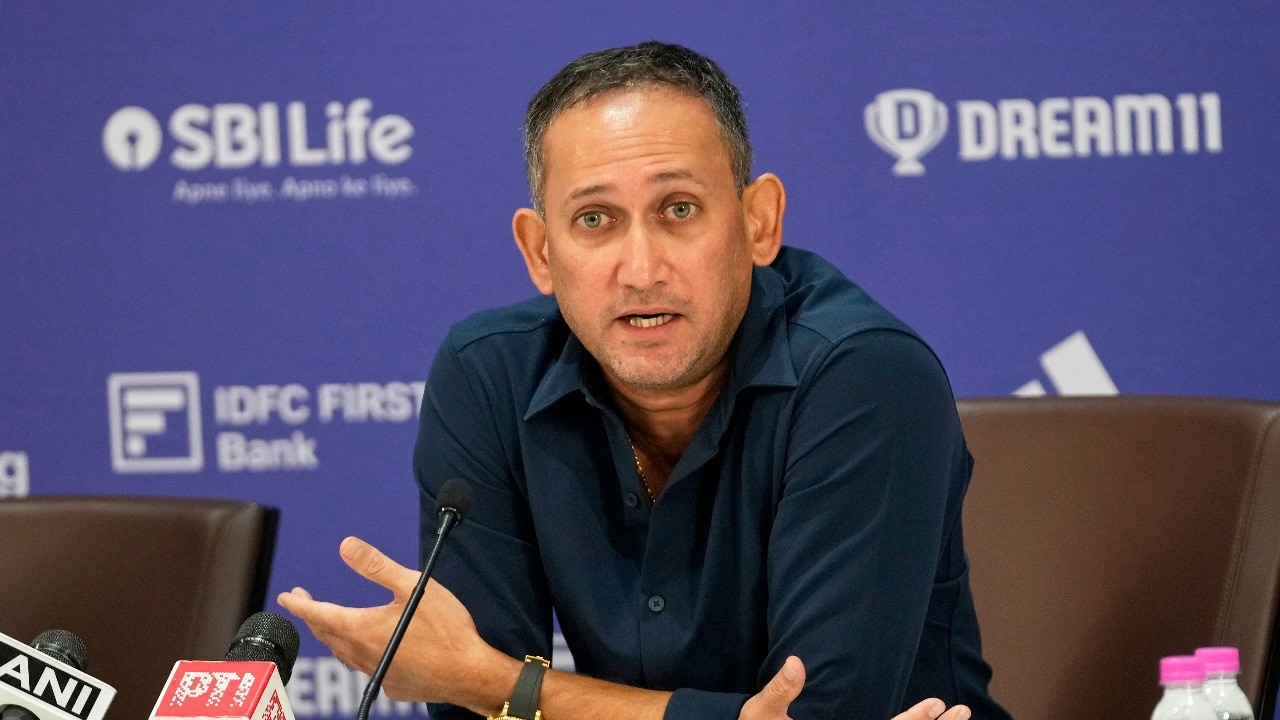
The Board of Control for Cricket in India restructured umpire grades, substantially increased daily match fees and introduced a merit-based promotion and relegation system, secretary Devajit Saikia said on Friday after the BCCI AGM. He also said the board had revised the payment structure for match referees.
Saikia told reporters that there had been no revision of umpire fees for nearly a decade, adding: "For almost 10 years from 2017-18, there was no revision of the fees of the umpires, so we have restructured their categories." Under the new system umpires will be divided into four grades — A, B, C and D — and will be paid Rs 60,000, Rs 50,000, Rs 40,000 and Rs 35,000 per day respectively. "Earlier, there were four categories, A+, A, B and C. Now we have restructured them as A, B, C and D. The daily fees have been increased substantially. We have also increased the fees for match referees and revised their fee structure," he added.
Saikia said an "umpires board" and an assessment team would evaluate officials and allocate assignments on merit. "All their postings will be based on merit. We have an assessment team under the umpires board. They will assess the umpires and, based on their merit, they will be given assignments," Saikia said.
He outlined a season-end system of movement between grades, specifying promotion and relegation based on performance. "At the end of every season, there will be a system of relegation and promotion. Those who perform well, say 10 umpires, will be promoted to the next level. Those at the higher level who do not perform to the required standard will be downgraded," he said.
Saikia said the new process was intended to maintain officials' focus and improve officiating standards. "This will make them very alert throughout the season and that will ultimately help the game of cricket. The future of some players depends on the decisions made by umpires, so they have to be very competent and alert," he said.
On the National Sports Governance Act, Saikia said the BCCI's stance was clear and that further actions awaited completion of tasks by the concerned authority. "Regarding the Sports Act, our stand is very clear. There are a lot of things which are yet to be done by the concerned authority," he said. "Once those exercises are completed, and once the BCCI comes under the Sports Act, a particular notification has to be issued to make it a designated sport. Till that time, we are not supposed to do anything. Whenever that notification comes, immediately we will spring into action and work according to the new rules."
The BCCI has readvertised the role of head of sports science, Saikia said, and he added that the Indian Premier League is expected to begin towards the end of March 2027. He also confirmed changes to age-group governance and welfare measures for disabled players: "We have revisited our age-fraud policies and updated them. New SOPs have been issued today and will be followed by all state-affiliated units for their age-group teams," Saikia said. "Another big thing is that we discussed engaging and activating our state associations to support cricketers in the physically challenged categories," Saikia said.
Saikia said the BCCI would give its response to the Supreme Court's remarks on whether the national board and its state associations should come under the National Sports Governance Act at the next hearing on October 27. "So, as of today, there is nothing that was discussed in the Supreme Court. We will give our clarification on October 27 when the matter is listed next," he said.