Bhuvneshwar Kumar, 36, recalled for New Zealand T20Is as India’s search for next‑gen pacers continues

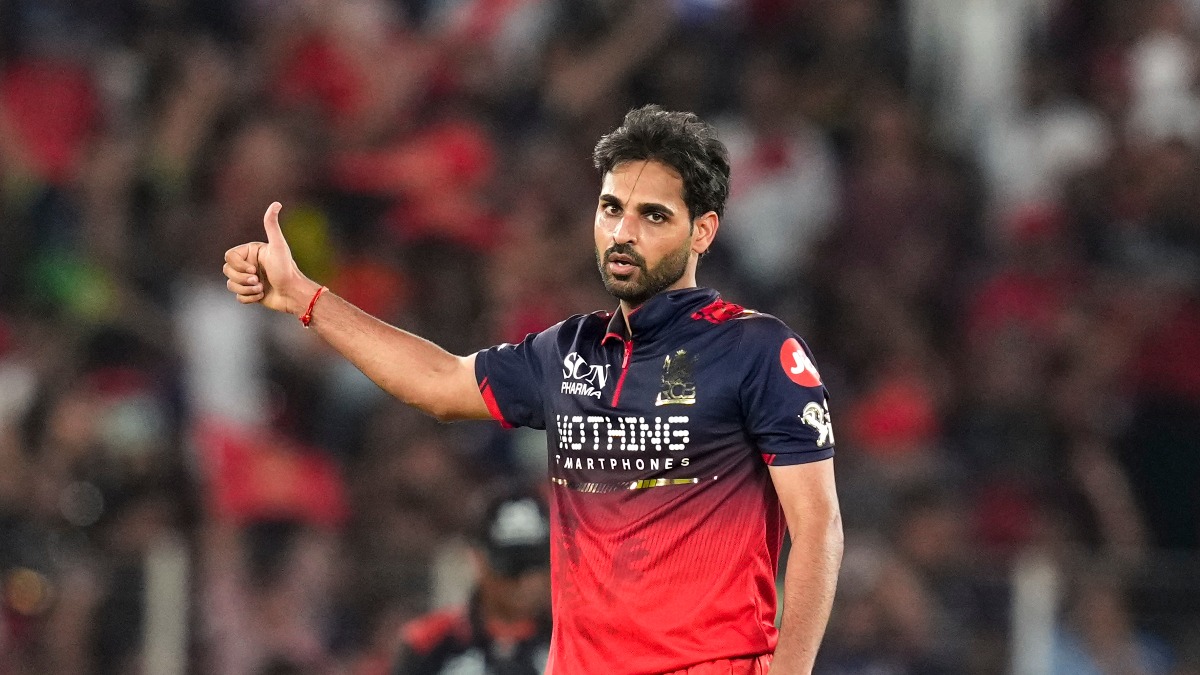
Bhuvneshwar Kumar has been recalled to India’s T20I setup for the five-match series against New Zealand in October, nearly four years after his last appearance in the format and at age 36; he will join a pace unit that includes Arshdeep Singh, Mayank Yadav and Prince Yadav while Jasprit Bumrah is rested.
Kumar’s selection follows sustained performances for Royal Challengers Bengaluru over the last two IPL seasons, where he has shown the new-ball control, swing and experience cited by selectors; he last played for India in 2022 and has been rewarded for performing while outside the national side. The recall is straightforward on merit, but it also prompts questions about India’s succession at specialist T20 fast bowler.
Statistical patterns underline the issue: the piece notes that Arshdeep Singh and Jasprit Bumrah stand out among India’s T20 quicks, while Hardik Pandya and Shivam Dube have both crossed the 20-match mark; among specialist fast bowlers the gap between the established pair and the rest is described as striking. That concentration of appearances at the top of the pecking order is central to the article’s concern.
The report offers caveats tied to fast-bowling realities: injuries have repeatedly disrupted plans, with Harshit Rana and Prasidh Krishna cited as examples of players who have faced fitness issues, and Mayank Yadav described as having an interrupted international career. It also notes some players were trialed to meet series‑specific needs rather than as part of a planned long-term succession.
Evidence from recent T20 World Cups is used to illustrate selection outcomes: between the 2024 and 2026 tournaments only one fresh specialist fast bowler, Harshit Rana, made India’s World Cup group, despite numerous auditions. The article lists several bowlers who received opportunities in bilateral cricket — Mukesh Kumar, Avesh Khan, Shivam Mavi, Umran Malik, Prasidh Krishna and Mayank Yadav among them — and questions why few translated those trials into sustained national roles.
Timing around selection meetings is highlighted by PTI reporting: Central Zone selector RP Singh had supported Kumar’s return earlier but did not find enough backing during Ajit Agarkar’s tenure as chairman of selectors; with Agarkar gone, Kumar was included in the first selection meeting under interim chairman Pragyan Ojha. The piece contrasts that shift with Agarkar’s committee tendency to prioritise forward-looking picks, referencing India’s move in Tests away from Rohit Sharma and Virat Kohli and the decision to move beyond Mohammed Shami in the longer format as examples of that philosophy.
The Indian Premier League is identified as an ongoing source of potential pace options that have not yet broken into the T20I setup: Anshul Kamboj, Mukesh Choudhary and Kartik Tyagi are named as players who have had spells putting them on the domestic radar but remain outside the national T20I group. At the same time, the article states Kumar’s recall gives India immediate access to experience, control and a tested skill set, and describes the selection as a deserved reward for the bowler.
Kumar’s inclusion for the five-match New Zealand series in October is confirmed by the report and the recall is presented as both a practical selection and a prompt for reflection on succession planning, given the assertion that India have not yet produced a specialist fast bowler from recent trials who has secured a long-term claim on the T20 shirt.