Biryanis, bhajis and braais: how cricket’s intervals celebrate food and ritual

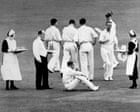
Cricket’s relationship with food is distinctive: the game routinely pauses for shared meals, and those breaks — notably lunch and tea — are treated with near-sacred importance by players and supporters alike. The sport’s culinary ties span cultures, reflected in the presence of biryanis, bhajis and braais in and around matches.
Twice a day Joseph Joffre, France’s military supremo during the first world war, would stop whatever he was doing and sit down to eat. No matter how perilous the situation at the front, or how many maps and generals required his attention, lunch and dinner remained fixed points in his day. For cricket followers that habit resonates: where other sports press on through pivotal moments, cricket has long embedded scheduled intervals into its fabric.
Those pauses shape the match beyond simple sustenance. Lunch and tea provide natural punctuation in the hours of play, offering teams a moment to regroup and spectators a chance to step away from the action without feeling they have missed the contest. The ritual of sitting together at a table or in the stands turns food into something communal rather than purely functional.
The variety of dishes associated with the game underscores cricket’s global reach. Biryanis, bhajis and braais are examples of how local and regional food cultures become part of the matchday experience, with different communities bringing their own flavours to the same sporting ritual. This culinary diversity is woven into the social life of cricket rather than standing apart from it.
For many, those shared meals are as integral to the occasion as the scoreboard. Intervals allow conversation, debate and a collective breathing-out that complements the more intense, competitive periods on the field. The timing and cadence of cricket, in that sense, are inseparable from the moments when play is set aside for refreshment.
Joseph Joffre’s refusal to sacrifice regular repasts, even amid great pressure, offers a historical echo of cricket’s own prioritisation of interval rituals. The sport’s embrace of food — across cultures and cuisines — remains central to how it is experienced and remembered by players and fans alike.