Bobby Fischer: From America’s Call to Iceland’s Refuge

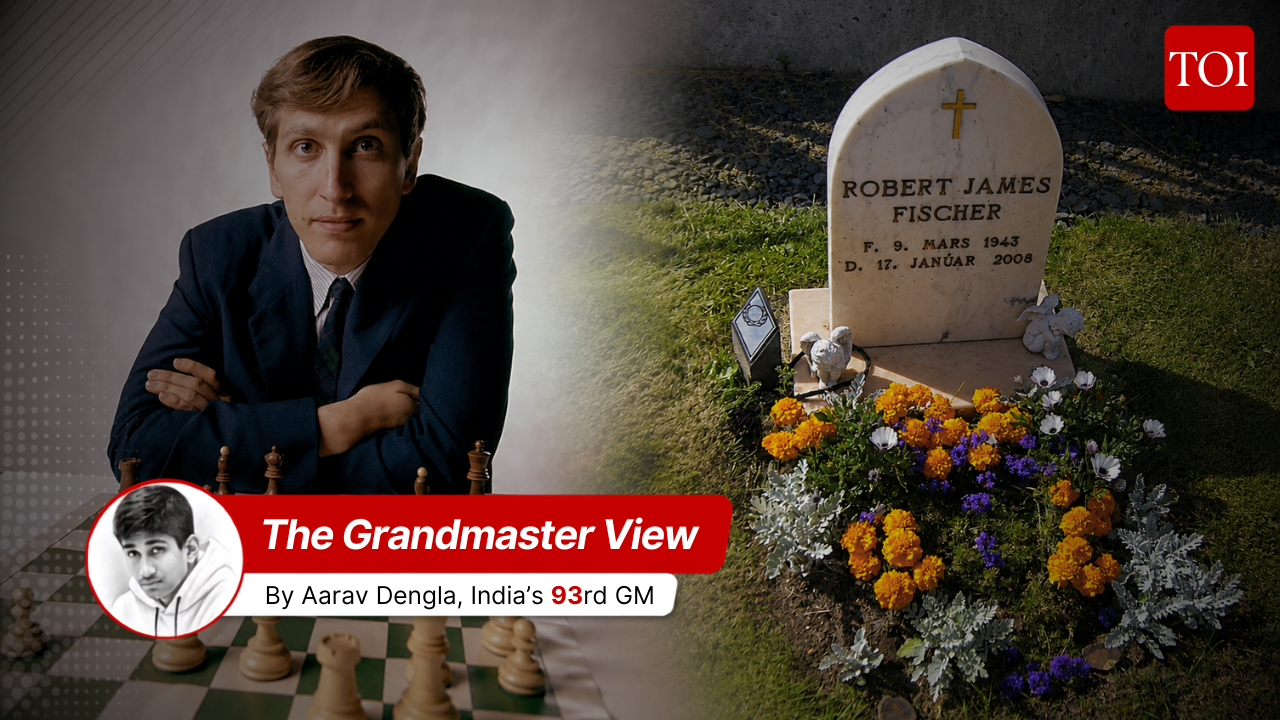
Henry Kissinger once urged Bobby Fischer to face the Soviets. In the second column of The Grandmaster View, India's 93rd Grandmaster Aarav Dengla charts Fischer’s passage from Cold War icon to an isolated, exiled figure, and highlights how a small island, not his homeland, provided him with a final resting place.
Aarav Dengla’s column frames Fischer’s life against the larger geopolitical and cultural currents that surrounded him. Dengla traces the arc from the player’s elevation as a Cold War hero to the decline that left him living outside the mainstream of the chess world. The piece examines Fischer’s revolutionary impact on the game and the personal tragedies that marked his later years. Dengla also explores why Iceland, which sheltered him at the end of his life, offered a sense of belonging that his native country ultimately did not.
Dengla situates Fischer’s emergence in an era when chess had become a proxy for broader international rivalry. Within that context, appeals from figures such as Henry Kissinger to confront the Soviets underscored the public and political expectations placed on him. Fischer’s matches and his persona transformed him from a national champion into a symbol with significance far beyond the chessboard. The column considers how that symbolic role both elevated and constrained him.
The commentary highlights the innovations Fischer brought to competitive play and public attention for chess. Dengla credits Fischer with changing how top-level chess was approached and followed, noting the lasting imprint on the sport’s professional and popular dimensions. At the same time, the column does not shy away from the darker contours of his later life, describing a descent into exile and estrangement from former supporters.
Iceland’s role in Fischer’s final chapter receives particular emphasis in Dengla’s account. The small island nation afforded him shelter during his exiled years and ultimately became the place where he was laid to rest. For Dengla, that fact illustrates a poignant irony: the country that embraced Fischer at the close of his life provided a degree of acceptance that his own homeland could not sustain. The column uses this contrast to reflect on notions of home, recognition and belonging.
Throughout the column, Dengla connects Fischer’s competitive achievements with the personal costs he incurred. The narrative reinforces the dual legacy of a player who reshaped chess while also experiencing profound isolation. By recounting both triumph and tragedy, Dengla presents a portrait of Fischer that acknowledges the complexity of his public stature and private decline.
Dengla’s piece in The Grandmaster View leaves readers with an account that balances admiration for Fischer’s influence on the game with a sober appraisal of his final years. The story underscores how historical circumstance and personal choices combined to produce a life that was celebrated, troubled and ultimately sheltered far from the land of his birth.