Bumrah’s absence exposes vulnerabilities in India’s pace unit, experts say

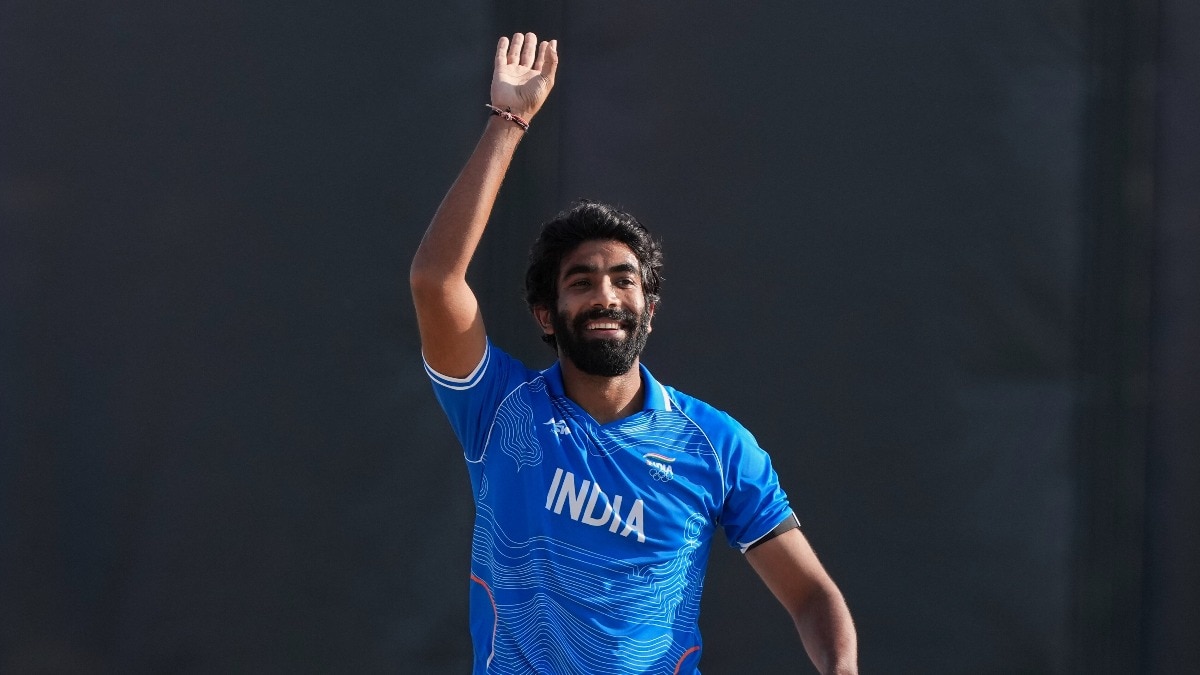
Jasprit Bumrah’s absence during India’s recent matches against the West Indies — including the recent ODI series and the second T20I in which India failed to defend 250 — has prompted renewed questions about the team’s reliance on its premier fast bowler, according to a report published on October 14, 2026. The article contrasts India’s bowling performance with and without Bumrah and includes comments from R Ashwin and former India bowling coach Bharat Arun.
Bumrah is credited in the piece with variations, precision and an ability to outthink batters that have made him a match-defining presence across formats, described in the original reporting as India’s “ultimate trump card.” The report notes that his absence has often left a gap in control and cutting edge, and that the recent West Indies series provided a reminder of that vulnerability.
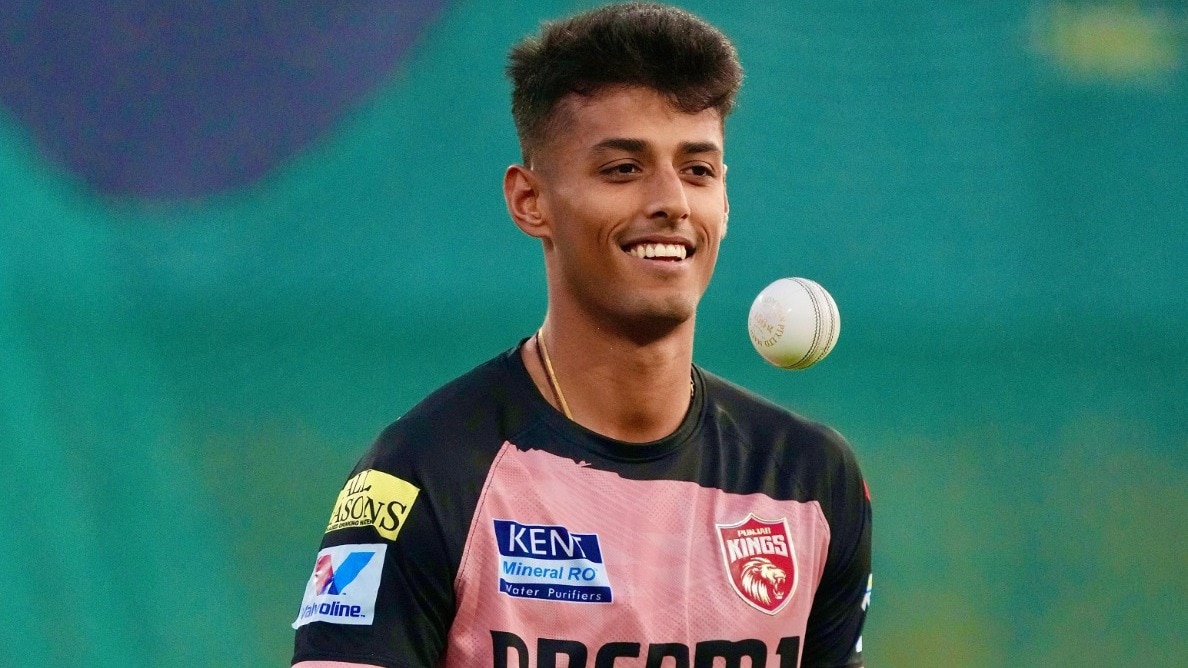
Match-level examples cited in the story name Gurnoor Brar and Auqib Nabi among seamers who struggled to contain West Indies scoring in the ODI series, and it highlights India’s failure to defend 250 in the second T20I as further evidence of the attack faltering without Bumrah. Former India spinner R Ashwin voiced concern after that T20I, saying: “It’s not that I’m blaming the bowlers, but we don’t have enough quality in our bowling, and we haven’t placed enough emphasis on developing it. That is why the chances of producing high-quality bowlers remain quite low. I really hope we spend some time grooming high-quality bowlers because bowling in such conditions requires understanding and game awareness.”
The report supplies T20I statistics for this year that underline the contrast in outcomes when Bumrah plays and when he does not: Bumrah has taken 23 wickets in 17 matches; with him in the line-up India have claimed 128 wickets in 17 matches at an average of 21.49 and an economy rate of 8.62; without him across 16 matches India have managed 90 wickets at an average of 27.84 and an economy rate of 9.16.
ODI figures in the article show a similar disparity: in the 10 matches India have played without Bumrah this year, their bowlers have taken 66 wickets at an average of 44.83 and an economy rate of 6.43. The piece presents those numbers alongside Ashwin’s further observation on leadership: “Rohit Sharma and Suryakumar Yadav were both fortunate in a way because, as captains, they had a cheat code in the form of Jasprit Bumrah. He can bowl defensively when required, and he also has a good variety of slower deliveries. But not many bowlers are that gifted, and I am genuinely worried about the future of Indian bowling.”
Bharat Arun is quoted at length on workload management and the wider responsibility for preparing fast bowlers, saying: "I think there's a lot of talk on workload management. Sometimes, the understanding on workload management is not as it should be. Workload management is nothing but getting a player, whenever he's playing, to make sure that he's absolutely fit and raring, because being a fast bowler, the physical fitness is of paramount importance. Yes, nobody is 100% fit all the time. Your fitness varies between 90 to 100%, but being 90% fit, I think, is very, very important for, any, fast bowler and It is the team management who does it." He added: "When I say the team management, it is the work of the physios, it is work of the strength and conditioning coaches and the bowling coaches to make sure that they have enough under their belt so that they are sharp and raring to go in matches."
Arun also addressed talent and the need for skill adaptation, noting India has produced quality quicks across generations and stressing learning and execution under pressure. He said: "And as far as Indian fast bowling attack goes, there have always been very good fast bowlers in the country. Even prior to this era when we were there, I think there was Zaheer Khan, there was Ashish Nehra, there was Venkatesh Prasad, there was Javagal Srinath, there was Irfan Pathan. "I can name so many bowlers who were there even before that. But collectively, yes, fitness forms a very, very important part of a fast bowler's skill, and working to keep them in prime fitness is one challenge for the team." He added on preparation and mindset: "The next one is how these fast bowlers have worked enough on their skill so that they are able to adapt to different kind of knowledge about the foreign conditions, and how quickly do I get that into my system so that my bowling is enhanced when I'm bowling in those conditions, is the challenge. I don't see any reason why we do not have the quality fast bowlers. We do have the quality, but the challenge lies elsewhere." Arun further commented on clarity under pressure: "The success of any bowler is how much understanding he has of his own bowling. That, to me, is the key." and warned that under pressure bowlers can overcomplicate plans: "It is under pressure when a bowler thinks of so many different things, whether this should work, whether this should not work." He concluded on mindset: "Having a very, very clear mindset under pressure, to back your strengths and work on your strengths so that the execution is spot on, is going to be the biggest key for these bowlers to be successful."
With the next World Cup approaching, the report states India need other pacers to shoulder more responsibility to reduce dependence on Bumrah. The article also notes a confirmed upcoming series: India’s tour of New Zealand will be shown live and exclusive on Sony Sports Network and Sony LIV starting October 22, 2026.