Colin Kaepernick’s 2016 kneel: ten years on, exile and its echoes across American life

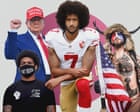
Colin Kaepernick knelt during the national anthem to protest police killings of Black people, first sitting on the bench after a preseason contest between the San Francisco 49ers and the Green Bay Packers on 26 August 2016 and then kneeling through the 2016 NFL regular season. He never played in the league again.
A decade later many details about Kaepernick, his banishment and their significance have faded. His action involved 60 seconds of silence and was described in the piece as mild compared with more disruptive historical protests. “To me, this is bigger than football and it would be selfish on my part to look the other way,” he explained on 26 August 2016 after the preseason contest; he sat on the bench during that anthem and knelt for the first time the following week.
The article argues Kaepernick’s exile has become a template for a wider culture war: sports leagues purging troublemakers and co-opting protests into corporate-friendly gestures, an electorate that voted Donald Trump into office twice, media outlets aligning with Trump’s whiteness and a player class deterred from following his example. It places Kaepernick, second to Barack Obama, as a focal point that propelled white anger through the NFL, Hollywood and the White House and into the WNBA.
The political backlash included direct attacks from the president and accommodation from fellow players and former players: “While Trump called NFL players ‘sons of bitches’ in his first term and demanded Kaepernick be banned from the league,” the article states, many players sought distance rather than solidarity. Dallas Cowboys quarterback Dak Prescott assured team officials in 2018 he was no radical and said, “For me, I believe in doing something, action. It’s not about taking a knee.”
Responses from inside the sport ranged from advice to assimilation: Michael Vick allegedly told Kaepernick to “cut his hair” and Hall of Famer Ray Lewis told him to “keep his mouth shut.” Ray Lewis, connected to an incident that resulted in two killings as an active player, was fined $250,000 by the NFL for pleading guilty to obstruction of justice and never missed a game.
The piece links later national events to a reassessment of Kaepernick’s warning: the slow-motion murder of George Floyd in 2020 during a global pandemic produced a moment when some saw Kaepernick as vindicated, and NFL commissioner Roger Goodell admitted, by pressure not conscience, that the league was wrong in its crackdown on player protest—briefly. It adds that the January 6 riots ended the period known as athlete activism and the Kaepernick era, noting that a cop died in the aftermath of the January 6 riot.
The author separates the lesson from the legacy: the lesson was a warning to other players to stay in line, while the legacy is darker and, he argues, allows for the freedom of acknowledgment that negotiation and waiting for permission are no longer viable strategies. What passes for protest today, the article says, is a player writing something mildly profound on their cleats but only on designated game days when the NFL allows it.
He concludes there is no reason to continue the naive exercise of negotiation, of waiting for permission, of believing the moral arc of the universe bends toward justice, of believing equality is a shared American goal. It is not. Howard Bryant is the author of 11 books, including The Heritage: Black Athletes, A Divided America, and the Politics of Patriotism and Kings and Pawns: Jackie Robinson and Paul Robeson in America.