Cummins' Australia captaincy under scrutiny after Bancroft's sandpaper testimony


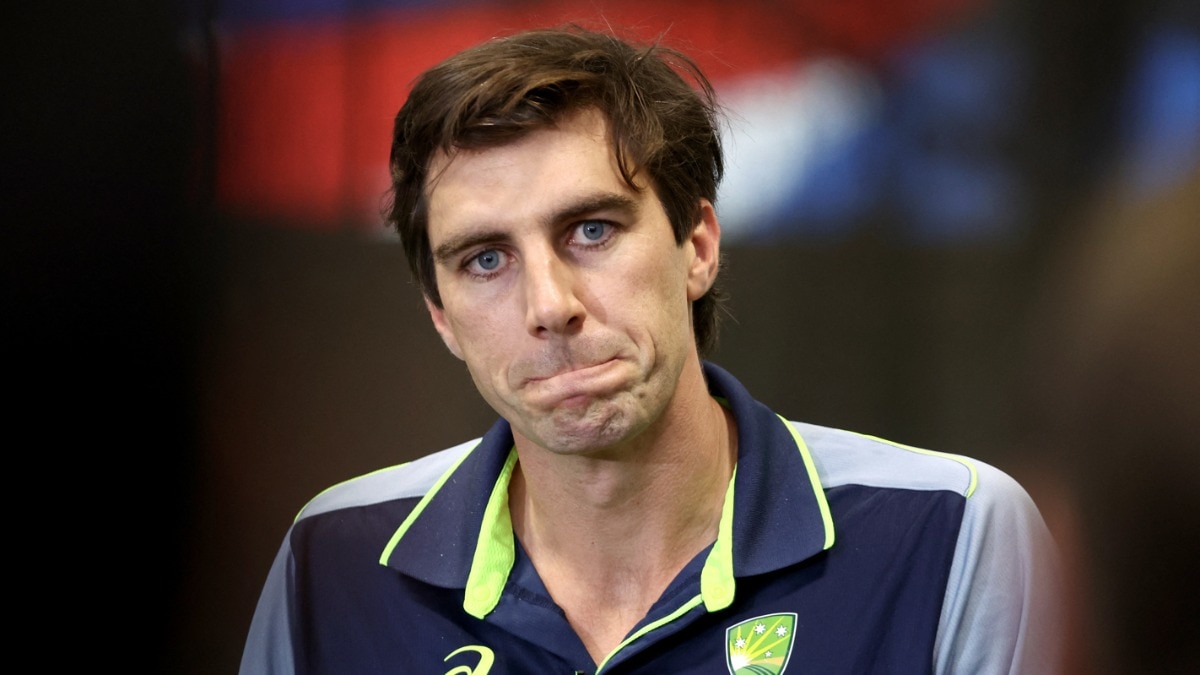
Pat Cummins' position as Australia captain is under intense scrutiny after Cameron Bancroft's 4,000-word testimony about the 2018 sandpaper incident in Cape Town has reignited public debate, and Cummins told the media on 12 November that Usman Khawaja's claims were "100% wrong" and "utter nonsense". Cummins' agent also repeated the captain's version of events in the 24 hours prior to this piece.
A former bowler writing on the controversy argues it is implausible that Cameron Bancroft — described as the most inexperienced batsman in the Australia team at the time — could have applied sandpaper to the ball against South Africa in Cape Town without the bowlers knowing. The columnist notes that ball-tampering has a long history in cricket, citing past practices such as shining the ball with a sweet and the wearing process used to obtain reverse swing, and insists the ball is the bowlers' weapon and would not be altered without their knowledge.
The commentary examines claims that Steve Smith, David Warner and Bancroft may have taken the blame for others, stating "If they did take bullets, they were bullets they deserved." It also suggests that players within the Australia setup would have found it difficult to go public at the time because of fears for their careers, and that only after retirement or the end of an international career do some feel able to speak out.
Attention has shifted to Cummins himself: the piece recalls he was a junior bowler during the 2018 incident and has since risen to the captaincy, a role often joked about as second in importance only to the prime minister. The writer portrays Cummins as not being a typically abrasive Australian captain, credits him with working to change the team's image, notes he missed a chance to underline that change with the Jonny Bairstow stumping in the 2023 Ashes Test at Lord's, and records that Cricket Australia has publicly backed him with no obvious sign of resignation or sacking.
The columnist warns the build-up to the next international fixture will be dominated by questions about sandpaper, who knew what and who said what to whom, and points out that the Test is being played in Bancroft's home city, in the state where his 4,000-word testimony was first published; the reaction of the Perth crowd to the captain is singled out as a litmus test. The piece says public reaction will be important in determining how Cummins weathers the controversy.
Media pressure and long-term repercussions are explored, with the author calling the story "one of the biggest in the history of Australia sport" and predicting persistent scrutiny from the press. The column raises the prospect of the next summer's Ashes at Trent Bridge on 18 June and adds, "Right now, I can't imagine that happening," while noting Cummins has said he never wants to talk about sandpaper again and that images have circulated of him being confronted outside his home.
Possible courses of action for Cummins are set out: resigning without admitting guilt and citing distraction and family pressure, or remaining in the squad as David Warner and Steve Smith did. The writer suggests a resignation could ease pressure on team-mates Mitchell Starc, Josh Hazlewood and Nathan Lyon, but adds that regardless of Cummins' choice there will be outstanding questions for others who were in Cape Town, for Cricket Australia and for the wider culture of the sport. Looking back at 2018, the piece argues there appeared to be an attitude within the Australia camp that they were "fireproof," credits media manager Kate Hutchison with making a stand according to Bancroft, and asks what responsibility coaches such as Darren Lehmann, in his position at Northamptonshire, or David Saker, who has recently been working with England, bear; it concludes that Cricket Australia has seemed reluctant to get involved and that the idea of giving individuals the chance to "tell their truth" behind closed doors is "surely dead in the water," adding the question, "What about telling THE truth? Nothing else is good enough."
Cummins is due to lead Australia in the first Test against New Zealand in Perth on 9 December, and the column identifies the public and media reaction in the run-up to that match as the immediate test of his captaincy and standing.