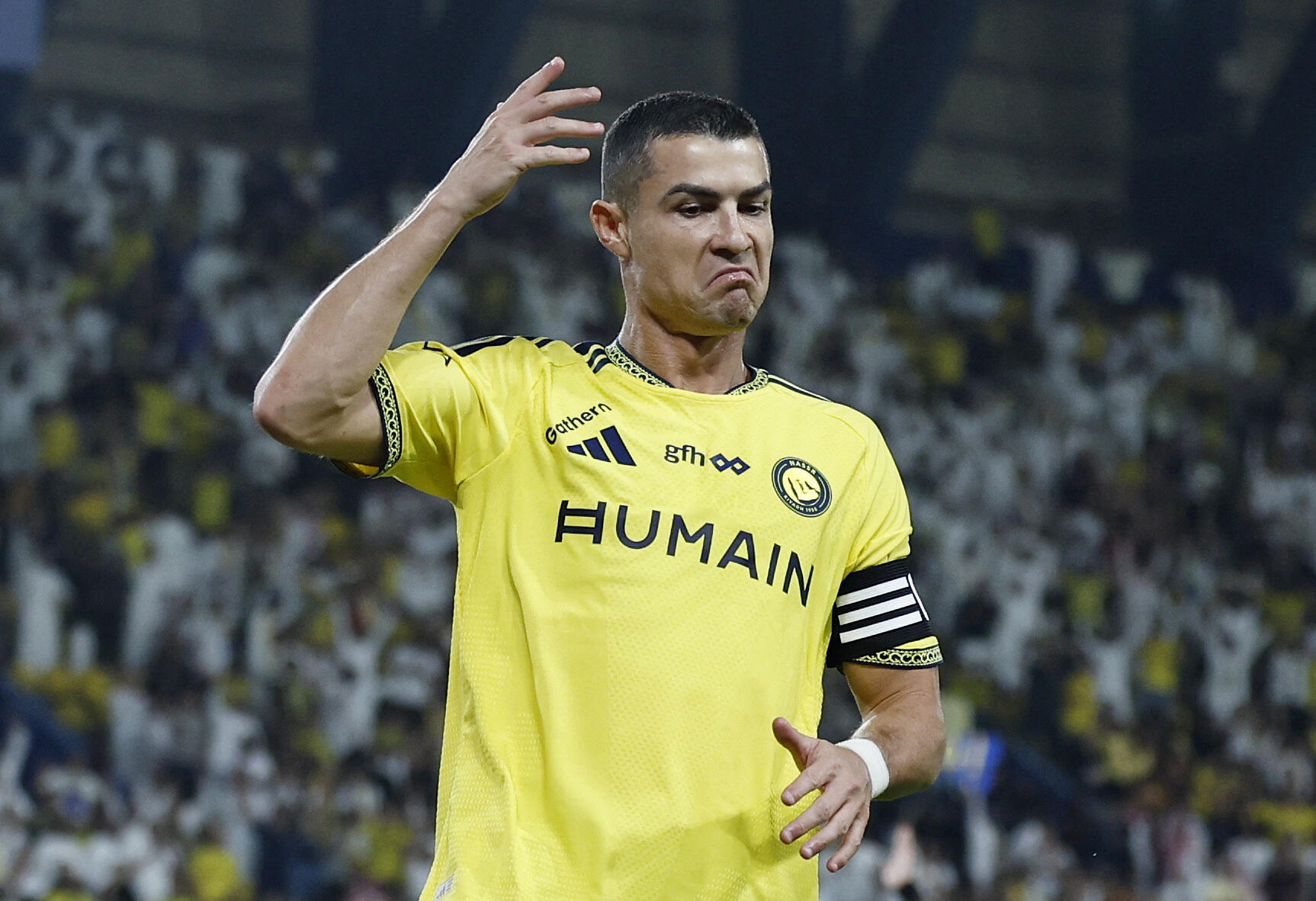
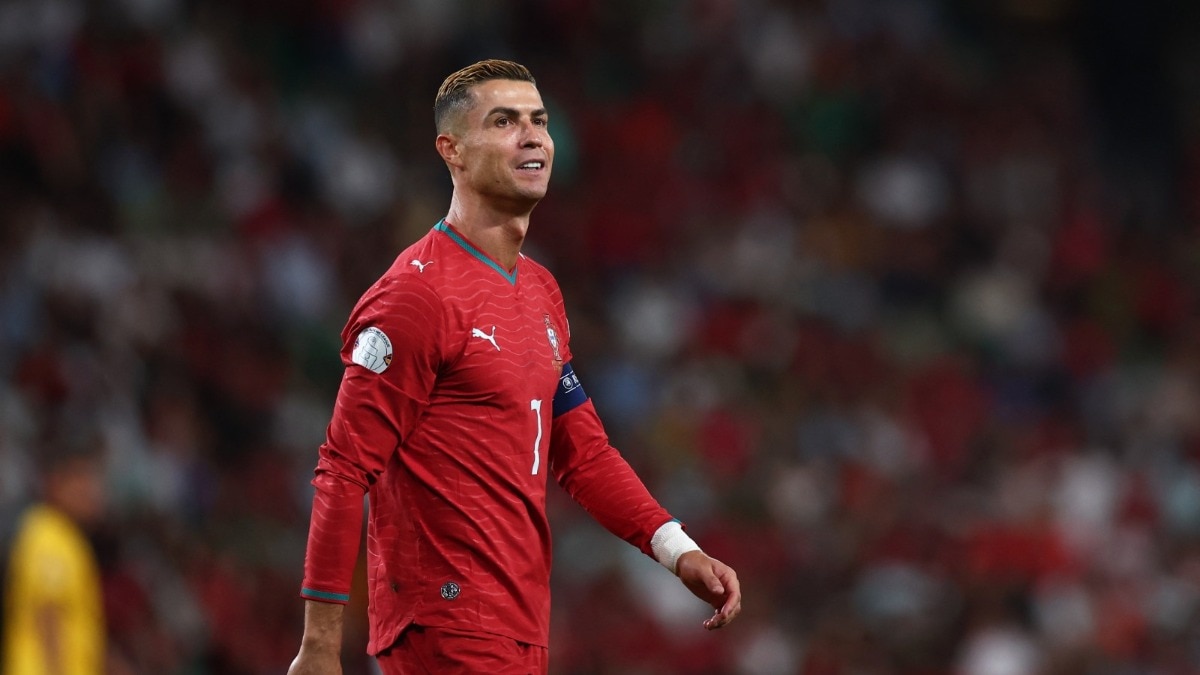
Elite schedule 'not sustainable' as players log 55-game seasons and full international windows


During the extended international break in October 2026, 25 Premier League players called up by their countries played the full 360 minutes across four matches, BBC Sport reported on 12 October 2026. Cole Palmer, who missed the 2026 World Cup after struggling last season with chronic injury, was among those whose availability and welfare have been brought into question.
The Premier League had returned from a three-week break but many squad members had little respite, with 13 of the 25 players who played 360 minutes having featured for their clubs at the World Cup. Liverpool captain Virgil van Dijk played 55 games for his club in 2025-26, and several players, including Declan Rice, Morgan Rogers and Harry Kane, exceeded 4,000 minutes in all competitions in 2025-26 and have started this season on a similar trajectory.
Dr Dave Richardson, head of psychology, sports science and wellbeing at the University of Lincoln, said: "It is not sustainable." He added: "We will start to see more clamour when we are not happy with the quality of performances; the public pay to see high quality."
Several high-profile withdrawals preceded the window. Five players — Cole Palmer, Marcus Rashford, Rice, Kobbie Mainoo and Tino Livramento — pulled out of the England squad before the latest international window, while Germany's Kai Havertz and France captain Kylian Mbappe also withdrew from the recent international break.
Maheta Molango, CEO of the Professional Footballers' Association, described those absences as symptomatic of a "sick" system, saying: "When England see five players who need to withdraw when the single most proud moment a player has is to be called up for the national team, you just ask yourself, what's wrong about the industry?" He added: "They love to play for England. They love to play for their national team. But, unfortunately, your body puts a limit to it. You cannot cheat biology." Molango has called for a mandatory three-week summer break and a three-week "retraining" period every summer.
Dr Richardson warned of structural obstacles to such reforms, saying: "The problem is that there is no one body covering the playing schedule, and they all want predominance. They are all vying for the spotlight and championing their product as the best. "Without that overarching independent body, it may not be sustainable." He also said some clubs are better at supporting players, citing Brentford as having a strong sports psychology team.
Dr Chris James, a psychology lecturer at Cardiff University, criticised the culture around men's football and memory of mental-health attitudes: "Particularly in the men's game, there is a culture where you need to look like they are coping," he said. "It is like going back in time, with attitudes to mental health. "There is a lot of work you must break down that stigma, that mental health is an equal partner to physical health. I have more of these conversations in men's football than with women." He warned that the physical load can increase injuries and psychological stress and said: "It's about education - feeling good in the moment [by playing a lot of football] does not mean it is good for them. They might feel they are physically capable of playing these matches in a row, but mentally they may feel wrung out. "This is where clubs can be doing a better job of educating players - the benefit of downtime. You must sell to players why this is worth something." He also noted players are turning to coping mechanisms, such as using snus, to stay focused.
Former England defender Matt Upson said the extended early international break produced both benefits and drawbacks, adding: "It is nice to have that intense period together - you can benefit a lot with breaking down the barriers around the dressing room; the manager gets to work on the training field a lot," but also: "But four games in this period is a lot at this stage of the season, after a summer of competing as well." Paul Robinson urged proper preparation and recovery but questioned attempts to limit minutes, saying: "When you get to mid-season, it is about two days' preparation for a game, and then two days recovery... But I think from a footballer's point of view, the game schedules are not overly taxing if you can manage yourself in between the games. "And say, if Norway and England get to the final of the Nations League next summer, and their respective managers turn around to Erling Haaland and Harry Kane and say 'it's been a long season, you have three weeks off - then do you think those two players are going to sit back and accept that? 'No chance. They are going to say 'we want to play'. Players want to play in these games.'"
With the Club World Cup introduced, the World Cup potentially expanding and no sign of a reduced number of games in the Premier League, domestic cups or Uefa competitions, there looks to be no clear path forwards for reducing player workloads.