England pile up record 387/3 at Lord's as India’s attack flounders without Jasprit Bumrah

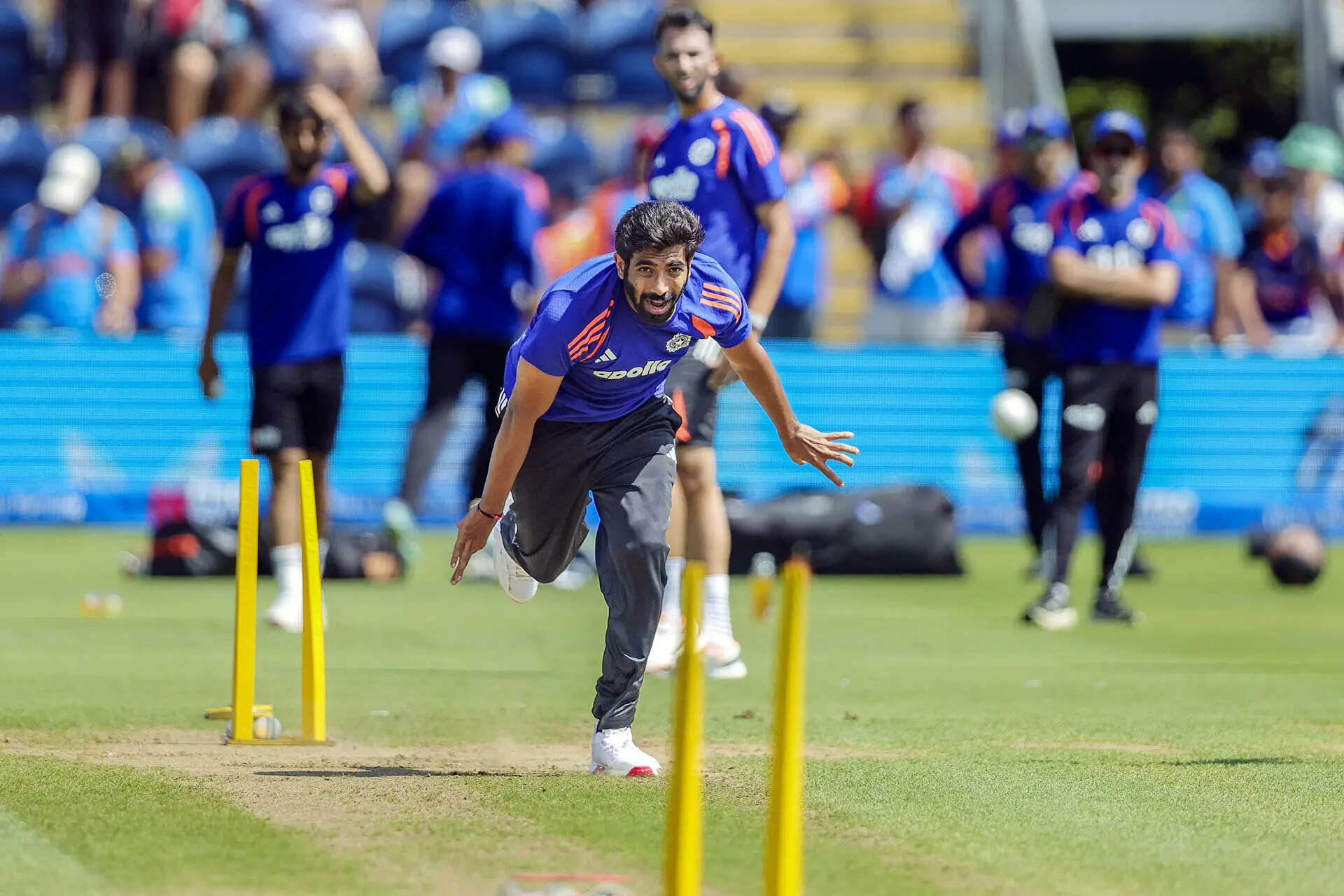
England dominated the third ODI at Lord's, posting a record 387/3 as a commanding opening stand between Jacob Bethell and Ben Duckett set the tone. India’s bowling, operating without Jasprit Bumrah, lacked discipline and conceded many extras, with middle-over planning described as inconsistent and exposed.
The third match of the series unfolded at Lord's, where England's batters put together a large total that proved difficult for India to contain. Jacob Bethell and Ben Duckett built the substantial platform up front, allowing England to capitalise through the innings and reach the record 387/3. India were notably missing Jasprit Bumrah from their bowling unit, an absence that observers saw as influential on the balance of the attack. Concerns about the side’s planning in the middle overs have been voiced, particularly in the context of their build-up to the 2027 ODI World Cup.
England’s innings was built around that early partnership, which removed pressure from the visitors and enabled a free-scoring platform through the middle overs. The scoreline of 387/3 reflected sustained dominance rather than a late flourish, with the openers setting a foundation that England’s middle order and finishers were able to exploit. The total stands as a record in the context of this match, underscoring the challenge India faced while defending.
India’s pace contingent felt the absence of Jasprit Bumrah, whose presence typically shapes both the new-ball phase and the closing overs. Without him, the attack struggled to find consistent lines and lengths, and the lack of a clear wicket-taking plan at different stages was evident. That shortfall in incisiveness allowed England to rotate the strike and capitalise on loose deliveries.
Discipline was another problem for the visiting bowlers: India conceded many extras, which contributed to England’s mounting total. Those additional runs, combined with occasional wayward bowling, deprived India of opportunities to build pressure and force mistakes. The accumulation of extras amplified the effect of the big opening stand and reduced the margin for tactical adjustments.
The middle overs — typically a phase where bowling teams seek to stifle scoring and manufacture breakthroughs — were described as poorly managed for India on this occasion. Fragmented planning in that period allowed England to maintain momentum rather than be stemmed by strategic bowling changes or tightly executed plans. The lack of coherent middle-over strategy compounded the problems caused by undisciplined bowling and the earlier collapse to England’s openers.
The result and the manner of England’s innings have prompted questions about India’s preparedness in the 50-over format, particularly with the 2027 ODI World Cup on the horizon. The absence of Jasprit Bumrah highlighted a gap in the attack’s ability to exert consistent pressure, while the concession of many extras and middling tactical execution in the middle overs exposed vulnerabilities. Addressing those areas will be necessary if India are to close the gap on opposition batting lineups in upcoming international fixtures.
