Everton enter 2026-27 Premier League season after late collapse and modest recruitment

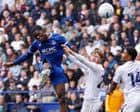
Everton enter the 2026-27 Premier League season having finished 13th in 2025-26 after a late-season collapse at their new home, Hill Dickinson Stadium, and with Guardian writers predicting them to finish 10th.
Last season promised a step forward: a campaign free from the immediate fear of relegation, more proactive football and a glimpse of hope after relocation to Hill Dickinson Stadium last summer. That promise evaporated after 21 March, when Everton were three points off the fifth and final Champions League spot having dismantled Chelsea, then failed to win another game and slumped to 13th on the final day — the same placing as the previous campaign under Sean Dyche and David Moyes, with one more point but an inferior goal difference.
Squad turnover and obvious positional gaps shape Everton’s summer priorities. The club lost 10 players after contracts and loans expired, and the window must address an upgrade on the limited centre-forward options of Beto and Thierno Barry, a successor to Séamus Coleman at right-back and reinforcements in central defence; Thierno Barry has shown more promising signs in pre-season.
Recruitment so far has been cautious rather than headline-grabbing: the €7m replacement for Idrissa Gana Gueye arrived in the form of Christian Nørgaard for £7m, and there is a possible gain if Brennan Johnson recaptures earlier form after Everton swapped Dwight McNeil for him. Johnson’s move from Tottenham to Crystal Palace in January was judged to have fallen flat by Palace, who accepted a significant loss on their £35m, one-time record investment seven months later; the 25-year-old scored 18 goals for Spurs in 2024-25. Tyler Dibling, signed from Southampton for an initial £35m, made only four league starts and had no minutes after the 2-0 win over Burnley on 3 March, prompting visible frustration from Moyes about what he was seeing on the training ground.
Financial and off-field issues continue to cast a shadow. Everton were ordered to pay almost £40m in compensation to Burnley over the latter’s relegation in 2021-22 and are appealing that verdict and what was described as the biggest financial penalty ever imposed on a Premier League club; the club says the latest punishment has not affected this summer’s transfer plans. Season-ticket prices rose in some cases by almost 10%, the club extended a sponsorship deal with Stake despite the UK government pledging to crack down on unlicensed gambling operators sponsoring British sports teams, and the Friedkin Group (TFG) has provided the financial stability the club needed.
Angus Kinnear’s leadership and the ownership change have not removed fan unease: the chief executive’s description of the hierarchy as "happily dissatisfied" drew criticism, although he added: “The progress is clear but we have not achieved anything yet.” Moyes faces added scrutiny after the season-ending slump; talk of a contract extension has quietened and his team selections were placed under an unforgiving spotlight when the late collapse cost Everton a shot at Europe.
Only three Everton players featured in the elongated World Cup, easing potential fatigue concerns. Jordan Pickford was the only Everton player in action after 1 July and faced criticism for his performances against Ghana and Argentina despite reinforcing his status as England’s undisputed No 1 goalkeeper across the tournament. Iliman Ndiaye started once for Senegal and was substituted in the 73rd minute with his country leading Belgium 2-0 in the last-32 tie; they ultimately lost 3-2. Nathan Patterson played in all three of Scotland’s group matches and his Everton future is described as uncertain.
Whether Everton have made genuine progress will be judged on the remaining transfer business: the club’s limited but sensible recruitment so far must be followed by further additions to plug the most glaring holes in Moyes’s squad, and a continuation of last season’s spring slump would test the manager’s appetite for the fight.