FIFA rejects UEFA boycott threat, declares "nobody is selling football"

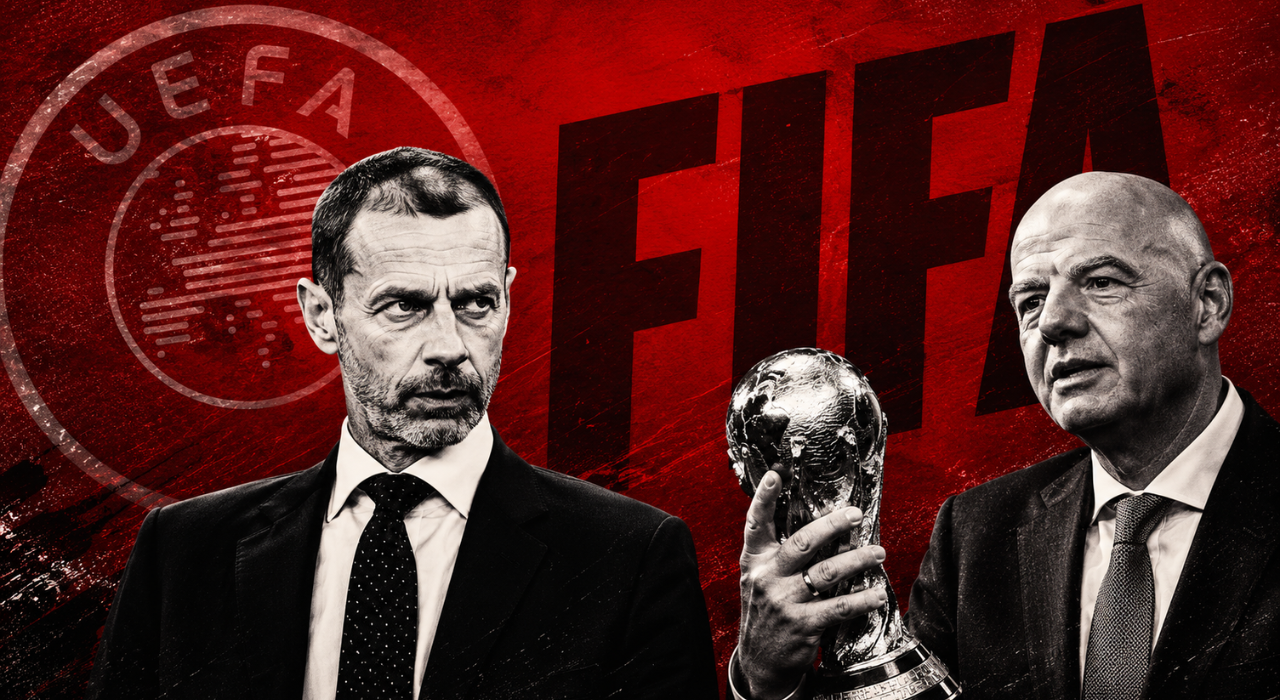
FIFA has defended its contentious World Cup investment proposal, asserting "nobody is selling football" amid sharp opposition from UEFA, Concacaf and the AFC. The governing body has maintained that member associations will have the final say, but the resignation of senior adviser Carlos Cordeir and growing resistance have put the plan's prospects into question.
FIFA issued a public rebuttal after a wave of criticism from several continental bodies, standing by the package despite its controversial reception. The organisation framed the proposal as its position while emphasising that ultimate approval rests with national member associations. That stance arrived against an increasingly vocal campaign from UEFA, Concacaf and the AFC, which together signal significant institutional pushback. The resignation of senior adviser Carlos Cordeir intensified scrutiny and contributed to uncertainty about whether the proposal can secure the necessary backing.
Officials at FIFA pointed to member associations as the decision-makers who will determine whether the investment plan moves forward. The governing body's messaging underlined that, regardless of external objections, those associations retain voting power over the proposal. FIFA's use of the phrase "nobody is selling football" was presented as a direct rebuttal to suggestions that the package represented an unacceptable commercial shift. That statement has become the centerpiece of the organisation's public defence.
Representatives from UEFA, Concacaf and the AFC have been named among the leading voices opposing the plan, collectively amplifying resistance within the global football community. Their opposition has been described as fierce and coordinated, prompting FIFA to respond forcefully in defence of its proposal. The dispute has therefore evolved into a confrontation between the governing body and influential continental federations, with member associations placed at the centre of the final decision-making process.
The departure of senior adviser Carlos Cordeir has added a high-profile element to the controversy, raising questions about internal consensus at FIFA. That resignation followed the public disagreement and has been cited as a development that "cast serious doubt over the proposal's chances of approval." The sequence of events has shifted attention to the upcoming votes and the positions national associations will adopt when faced with the referendum on the investment plan.
FIFA has remained resolute in its messaging, defending the proposal and repeating that "nobody is selling football" as part of its rebuttal to critics. At the same time, the governing body reiterated that member associations will have the final say on whether the investment scheme is accepted. With high-profile opposition and a senior adviser stepping down, the proposal's path to ratification now appears uncertain.
How member associations respond at the moment of decision will determine the immediate fate of the proposal, and recent developments have underscored the depth of disagreement surrounding it. The resignation of Carlos Cordeir and the public denunciations from UEFA, Concacaf and the AFC have left the plan's approval in doubt and placed the spotlight on FIFA's next procedural steps.