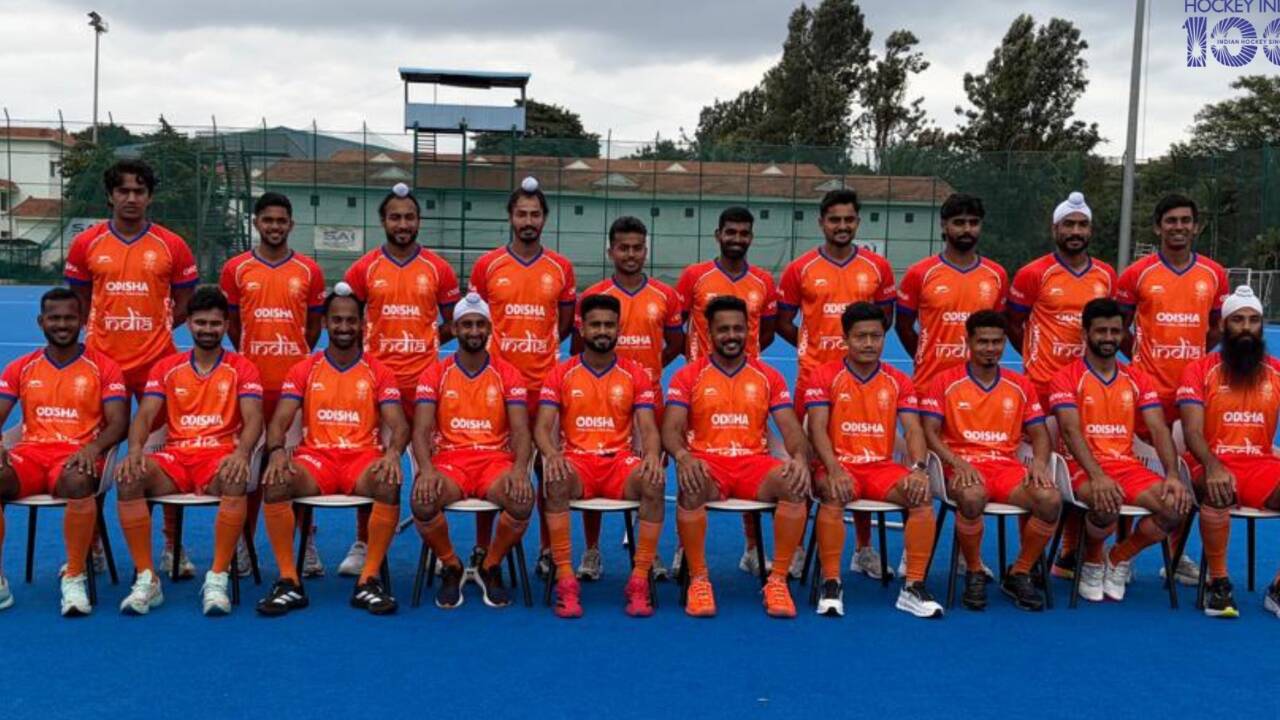
Former captains criticise saffron hockey jersey: 'India's identity has always been blue'

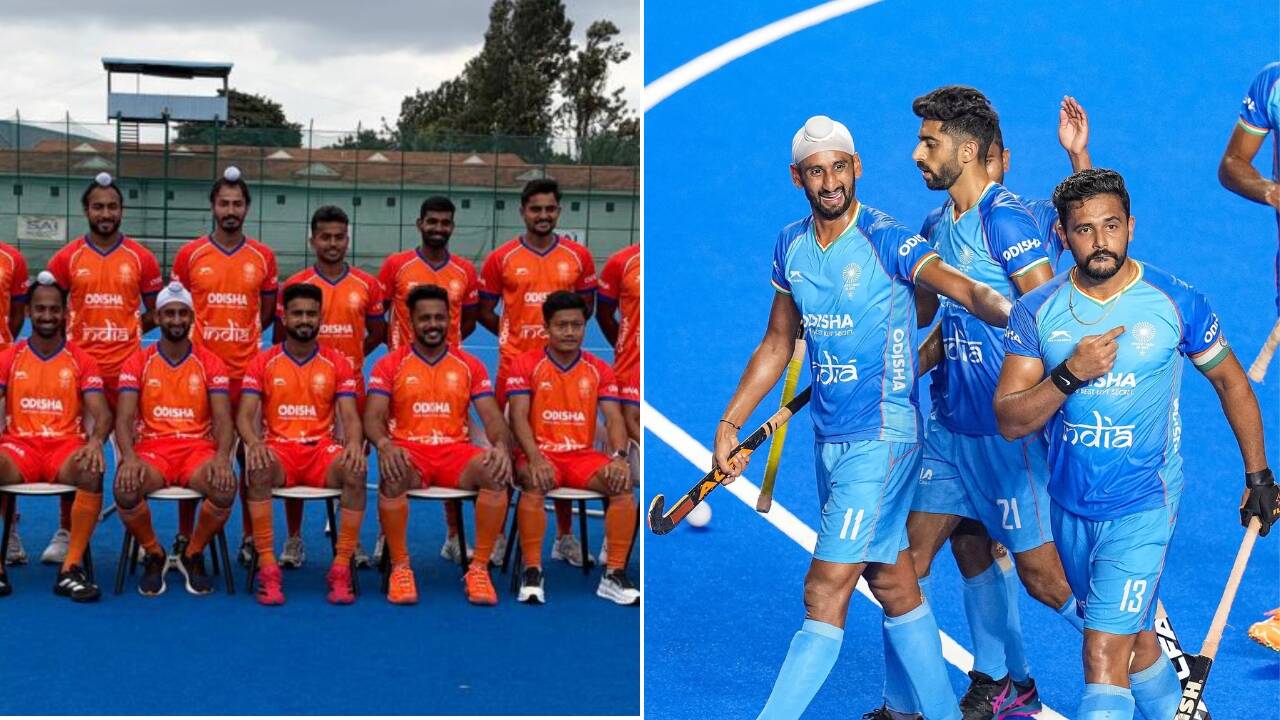
Former Indian hockey captains have voiced sharp criticism of Hockey India's move to a saffron playing kit, arguing it departs from the sport’s customary colours and national association. The dispute gained prominence when former India captain Pargat Singh made a pointed remark about the wider cultural trend.
The controversy revolves around Hockey India's decision regarding the national team's jersey colour, a change that ex-leaders view as breaking with long-standing convention. Several former captains have publicly objected, framing the change as an erosion of a traditional visual identity tied to the sport. "Everything in the country is being saffronised," said former India captain Pargat Singh while criticizing Hockey India's decision. The comments underline concerns among past players that kit colour carries symbolic weight beyond on-field appearance.
Those raising objections emphasise that the national hockey ensemble has long been associated with blue, and they argue that the established linkage should not be altered lightly. The criticism has centered on the perceived symbolism of adopting saffron and what that shift represents for the game's heritage in India. Former team leaders contend that continuity in visual identity matters to fans, former players and the sport's history.
The debate has placed Hockey India at the centre of a wider conversation about colour, symbolism and national sporting identity. Critics among the game's former captains stress that decisions affecting the national kit warrant careful consultation with stakeholders who carry institutional memory. Their position reflects a desire to preserve traditional markers that have identified Indian hockey on the international stage.
While the discussion has been led publicly by veteran figures from the game, including Pargat Singh, it underscores a broader sensitivity among ex-players regarding changes to national symbols. Those voices have framed the issue as more than a design choice, portraying it instead as a matter tied to how the country’s teams present themselves. The critics have urged recognition of that perspective in deliberations about national sporting colours.
The exchange highlights how decisions by governing bodies like Hockey India can prompt immediate and vocal responses from past leaders of the sport. For the former captains, the switch in jersey colour is not merely aesthetic but linked to the sport’s established identity and tradition. Their objections have crystallised into a public debate about the boundaries between administrative decisions and collective heritage.
The controversy over the saffron jersey has therefore become a touchpoint for discussions about continuity and change in Indian hockey. Former captains remain critical of the decision and have called attention to the significance they attach to the sport’s traditional colour associations.