Gaza erupts in celebration after Spain’s World Cup triumph

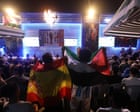
Gaza filled with jubilant crowds as Spain secured the World Cup, with residents gathering across the territory to cheer the victory. The mood in the streets and at public screenings reflected the political overtones of the tournament, given Spain’s public support for Palestinian rights and Israel’s backing for Argentina.
The tournament carried significance beyond sport in Gaza because of those international alignments. Spain’s backing for Palestinian rights and Israel’s backing for the Argentinian team turned the competition into more than a football showdown. In towns and refugee camps, people converged at cafés and outdoor screens to watch the final, treating the match as a rare communal occasion amid ongoing tensions. Organisers and spectators alike accepted the hazards of public viewings, aware of the possibility of Israeli strikes.
Scenes of celebration unfolded on streets where flags, chants and applause accompanied the broadcasts. Small groups clustered around televisions in neighbourhood cafés while larger gatherings formed at makeshift open-air screens to follow decisive moments. Supporters voiced enthusiastic approval when Spain took the lead and when the final whistle confirmed the title, expressing joy that extended beyond routine sporting fandom.
The political context remained central to how the result was received locally. For many in Gaza, Spain’s stance on Palestinian rights had formed an emotional bond with the team, sharpening the significance of the victory. Conversely, the knowledge that other nations were aligned differently — notably Israel’s backing for Argentina — added a layer of meaning to public reactions and to discussions among viewers.
Organisers of the screenings and ordinary fans accepted personal risk to assemble and watch the match together. Despite concerns about safety, neighbourhoods filled with people determined to witness the final in company rather than in isolation. The decision to attend public viewings underscored both the scarcity of shared moments for celebration and the depth of feeling attached to Spain’s campaign.
The Spanish triumph offered a rare, jubilant interlude for residents across Gaza, who marked the victory with public gatherings despite uncertain security. The result and the wider international stances that accompanied it ensured the outcome resonated as both a sporting success and a politically charged moment for many observers in the territory.