Gianni Infantino and Fifa at centre of a week that shook the football world

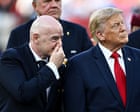
A plan to create a vehicle to control the commercial rights to the World Cup and to sell a stake in that company to investors provoked immediate turmoil across the sport, with Uefa, AFC and Concacaf among the federations opposing the move. Reports that surfaced on Tuesday afternoon suggested the proposal had taken many stakeholders by surprise, and even members of the Fifa Council had not been briefed before the story broke.
The revelations were published on 2026-07-31T18:36:56.0000000Z after the initial account was run by the Times, and they concern Fifa, the organisation that governs world football. The central claim is that Fifa planned to launch a vehicle to control the commercial rights to the World Cup and would sell a stake of this company to investors. The emergence of the story prompted an urgent reaction from several confederations and thrust the matter into the global media spotlight.
According to the coverage, the proposal would have shifted how the World Cup’s commercial income is managed by centralising control in a new entity. The outline presented to the public described a structure in which Fifa would own the vehicle that holds the tournament’s commercial rights, with a portion of equity offered to outside investors. That commercial strategy, as reported, represents a significant change in how revenue streams from the competition might be monetised.
The response from Europe, Asia and North America was swift. Uefa, AFC and Concacaf were named as leading the opposition to the plan, reflecting deep concern among continental bodies about the implications for their influence and revenue. The reports describe an atmosphere of acute unease within the sport’s governing architecture as federations sought clarification about the proposed arrangement and its potential consequences for their role in international football.
The coverage also makes clear that the rollout of the plan was not widely communicated within Fifa itself. Members of the Fifa Council, the organisation’s principal decision-making body, were said to have been unaware of the specifics before the story emerged. That internal lack of advance notice intensified the sense of disarray and prompted questions about how the proposal had been handled inside the governing body.
Gianni Infantino, the Fifa president, was portrayed in the reporting as having been taken by surprise by the initial accounts. The narrative indicates that the unexpected publicity forced Fifa into making a rapid public statement on a plan the organisation had hoped to keep confidential for a longer period. The need to respond quickly came amid heightened global media attention on the organisation’s commercial intentions.
The timing and manner of the disclosures, combined with opposition from multiple confederations, created a turbulent few days for Fifa. The sequence — from the Times breaking the story on Tuesday afternoon to the hurried announcement by Fifa — underlined how quickly organisational strategy can become a matter of public controversy. Those developments have left federations and observers seeking clearer explanations about the proposed vehicle and the terms under which outside investors might take a stake.
The episode has amplified questions about governance and transparency at the heart of world football and prompted immediate opposition from key continental bodies. With the matter now in the public domain and multiple confederations on record as resisting the plan, the organisation faces fresh pressure to explain the proposal’s aims and to address the concerns voiced by its members.