Glasgow 2026 to introduce Braille and tactile medals for visually impaired athletes

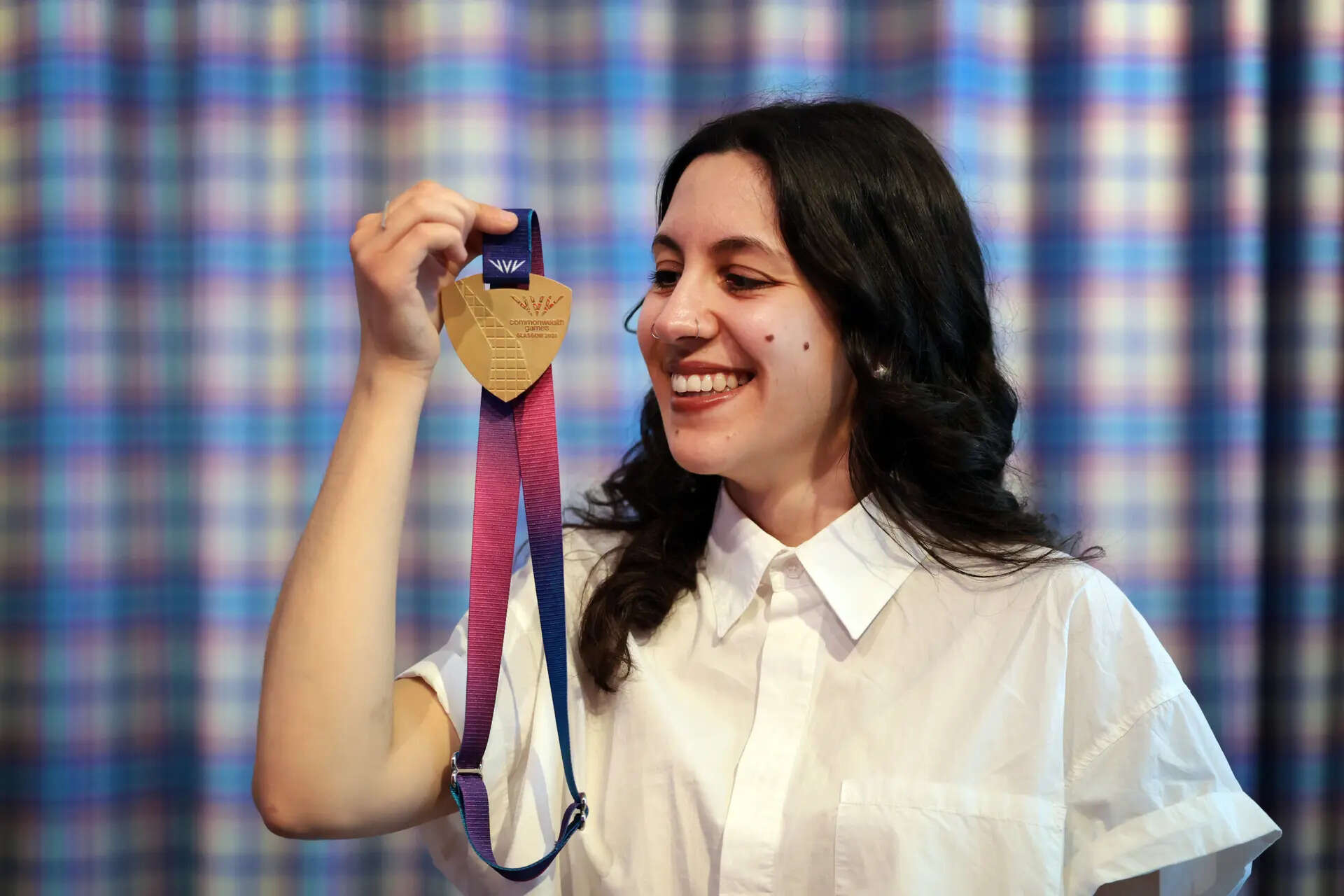
Glasgow 2026 will introduce medals that include Braille and tactile elements for visually impaired athletes, a first in Commonwealth Games history. The move is designed to provide a more inclusive experience for competitors during the Games.
The medals adopt a distinct Reuleaux triangle shape inspired by Glasgow's coat of arms, departing from conventional medal designs. Engraved patterns and textured finishes on the pieces are intended to reflect local landmarks and Scottish heritage. Organisers have presented the new design as a milestone in accessibility for the Commonwealth Games.
Each medal incorporates tactile features and Braille to support athletes with visual impairments, providing physical cues as part of the award itself. These adaptations form an integral part of the medals’ surface treatment rather than being added on after production.
The Reuleaux triangle geometry serves as the foundational silhouette for the awards and draws its motif from Glasgow's heraldic imagery. That shape is combined with deliberate surface texturing so that the visual and tactile elements are unified in a single object.
Decorative engraving and a variety of textured finishes are used to evoke the host city and wider Scottish cultural references. Those design choices aim to tie the medals visually and tactilely to Glasgow’s environment and history without altering the fundamental function of the awards.
The introduction of medals featuring Braille and tactile detail at Glasgow 2026 represents a historic development and marks a significant step towards greater accessibility in the Commonwealth Games.