Governments' reach into subcontinental cricket labelled 'governmentalisation of the board'


Published September 02, 2026, the article argues that governments across the subcontinent have increasingly intervened in cricket administration, a trend Osman Samiuddin described on Cricinfo as "governmentalisation of the board." It warns such intervention distorts the sport’s purpose and harms players, boards and fans.
The piece says many fans treat cricket success as compensation for shortcomings elsewhere, granting matches a significance beyond sport. It adds that politicians — and the military in Pakistan’s case — prize the image boost international victories give, creating a feel-good factor in countries with limited other sources of national pride. The article cites Bangladesh’s recent Test win over Australia as an example of a result that briefly lifts public morale.
Sri Lanka, the article notes, have lost the right to host International Cricket Council (ICC) tournaments — most recently the inaugural Women’s Champions Trophy — because of "government interference" in their cricket board. It says a government-appointed Transformation Committee now oversees Sri Lankan cricket and is only the latest in a series of similar committees appointed in recent years.
The author recounts Bangladesh’s withdrawal of Mustafizur Rahman from the IPL this year after instruction by the Board of Control for Cricket in India, described in the article as a proxy for the Indian government. It says Bangladesh then refused to send a team for the World T20 in India on the instruction of Asif Nazrul, who was adviser in the country’s interim government at the time, and that Nazrul later blamed the players for refusing to travel.
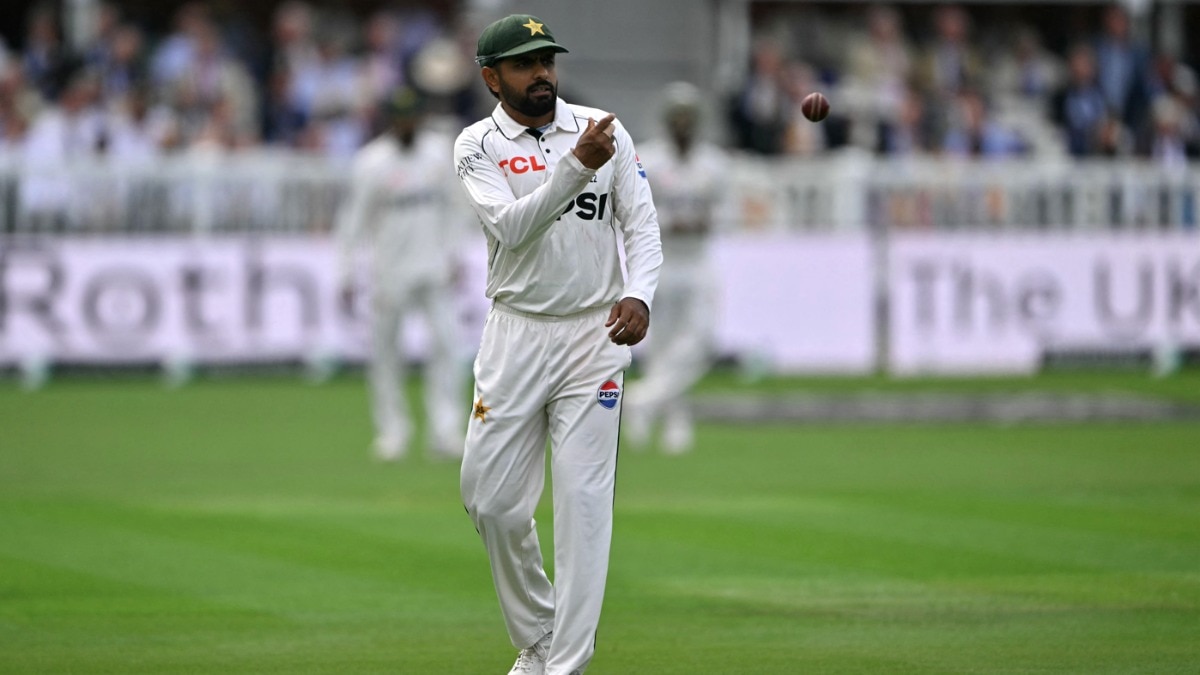
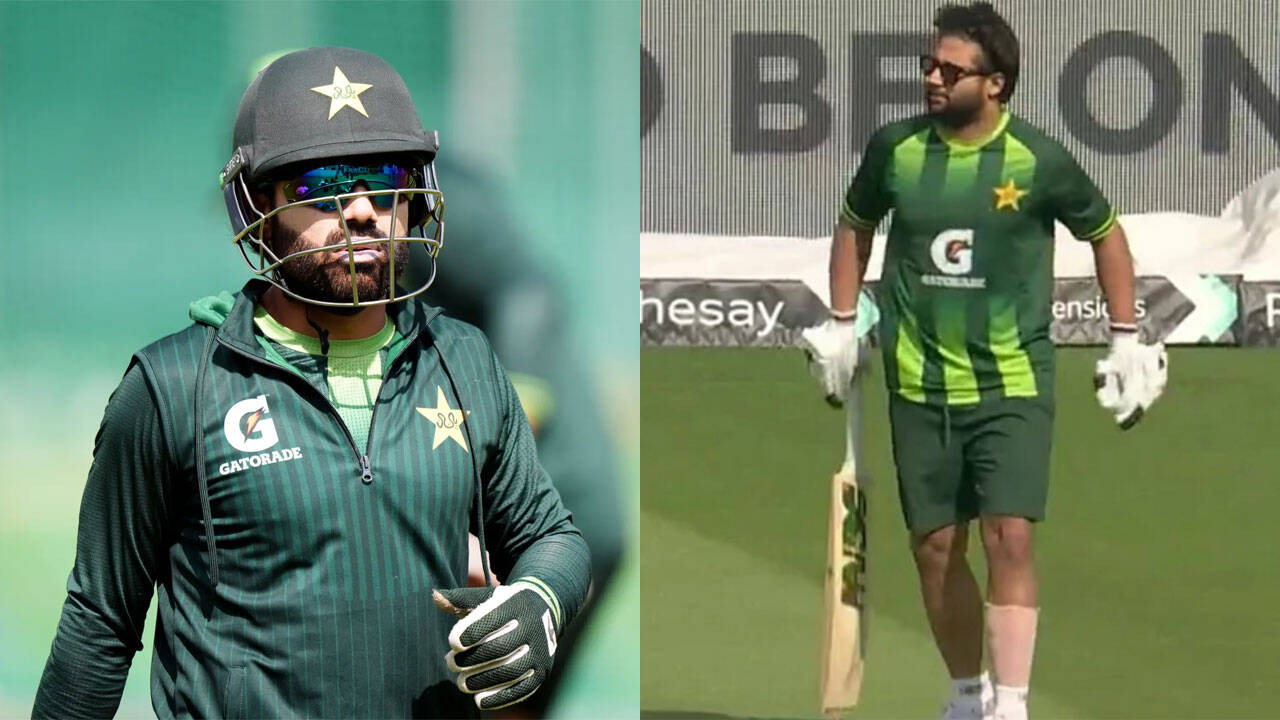
On Pakistan, the article points out that Pakistan’s cricket board chairman Mohsin Naqvi’s day job is as Interior Minister of the country. It records Naqvi’s order requiring seven players currently in the team, trailing 0-2 in England, to return home with one Test remaining in the series and says players are being used as excuses and punching bags; it likens modern punitive displays to ancient myths where losing athletes were executed.
Other episodes cited include Naqvi taking the Asia Cup back to Pakistan after Indian players refused to accept it from him on winning the tournament; the article says "churlishness begat churlishness then, and no one won." It adds that in India the ruling BJP has its men in key positions and is enjoying the advantages of having the son of the Home Minister as the most powerful man in the game as Chairman of the ICC, and recalls Indian players’ refusal to shake hands with their Pakistani counterparts at the Asia Cup.
The piece notes that India still maintains the strongest domestic system among the countries mentioned, saying the home season runs smoothly, players come through regularly and world class performers emerge in every generation. It records that after India won their second successive series in Australia, the No. 1 Test team, commentators were urging that country to follow the Indian system.
The article concludes that politicians using sport and athletes to further their own agenda is not unusual and that cricket’s political power in Asia reflects the game’s extraordinary place in society. It warns that "Whatever serves as the opium of the masses is always in danger of governmentalisation."