Health risks to athletes from doping and the Athlete Biological Passport

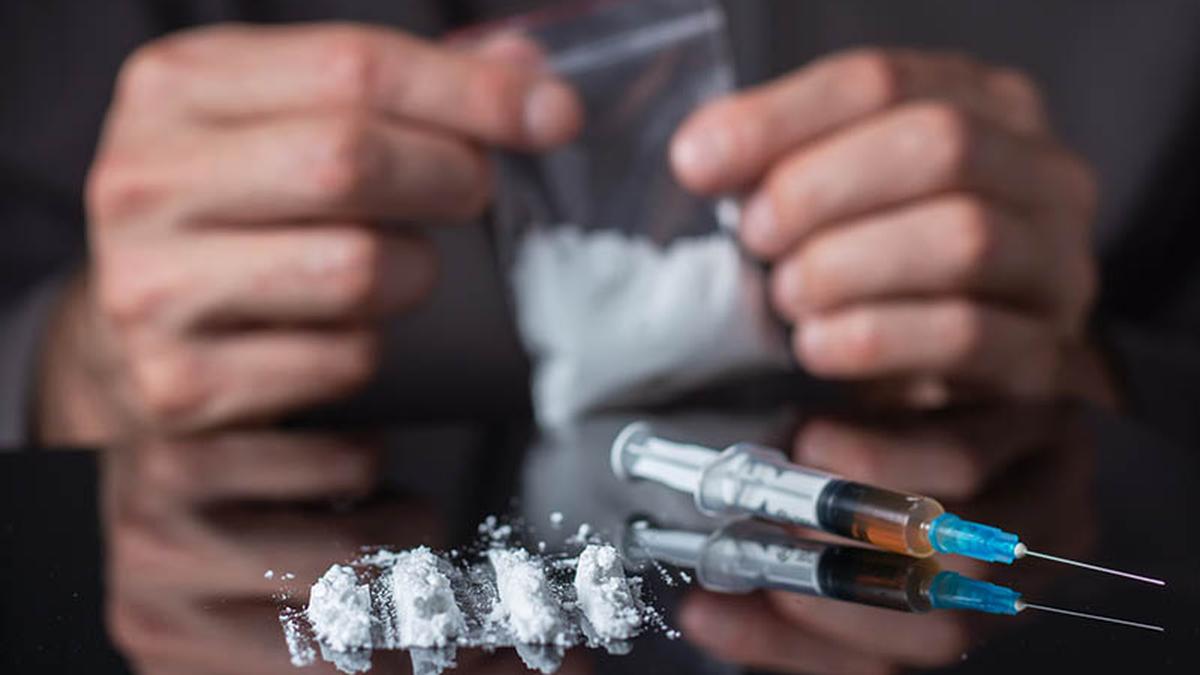
The National Dope Testing Laboratory received World Anti-Doping Agency approval to manage the Athlete Biological Passport on December 6, 2024, and Dr. C. Aravinda set out the health threats posed by doping in an article published by The Hindu on January 11, 2025.
The Athlete Biological Passport (ABP) is described as an advanced anti-doping tool that enables longitudinal monitoring of biological markers; it routinely collects blood and urine samples and tracks haematological, endocrine and steroidal profiles at specified intervals. The ABP provides corroborative, indirect evidence of doping and is intended to complement, not replace, traditional testing by enhancing detection accuracy. The article cites the National Anti-Doping Agency Rules 2021 to define doping violations, listing use or presence of prohibited substances or their metabolites, evasion or refusal of testing, whereabouts failures, unauthorised possession or trafficking, administering substances to others, complicity, association with ineligible persons, and retaliatory acts against whistleblowers. While anti-doping measures are framed around fairness and integrity, the piece stresses that the physical health consequences for athletes merit closer attention.
The article traces the practice of doping to ancient Greece, where athletes consumed herbal stimulants, and notes that modern pharmacology in the late 19th century introduced substances such as cocaine and strychnine, with anabolic steroids emerging in the mid-20th century after initial medical development. WADA’s Prohibited List is divided into substances banned at all times and those banned during competition, with the former prohibited both in and out of competition because of performance-enhancing or masking effects and the latter restricted only during active participation.
Anabolic agents such as testosterone are described as mimicking testosterone to enhance protein synthesis, promote rapid muscle growth and accelerate recovery, enabling harder training and greater strength and endurance. The article warns that these agents carry serious health risks, including cardiovascular diseases such as heart attacks and strokes, liver damage, hormonal imbalances leading to infertility, psychiatric disorders like aggression and depression, and weakened tendons prone to injury.
Peptide hormones receive separate attention: erythropoietin is said to increase red blood cell production, boosting oxygen delivery to muscles and significantly improving endurance in sports like cycling and long-distance running, while growth hormone is reported to stimulate tissue repair, muscle growth and fat metabolism. The documented health dangers include thickened blood with resultant blood clots, strokes and heart attacks, insulin resistance, acromegaly (abnormal growth of bones and tissues), and an increased risk of cancers, particularly colorectal cancer.
The article describes beta-2 agonists as agents that relax airway muscles to improve oxygen intake during intense activity and notes possible mild anabolic effects at higher doses; their health risks are listed as tremors, headaches, palpitations and potential heart rhythm disorders with prolonged use. Hormone and metabolic modulators such as Tamoxifen are said to modulate hormonal levels to boost testosterone production and aid muscle growth and recovery, but carry risks of blood clots, pulmonary embolism, liver damage and a higher likelihood of endometrial cancer.
Diuretics are characterised as tools to reduce body weight rapidly, assist in weight-class sports and mask other banned substances; the piece warns they can cause severe dehydration, electrolyte imbalances, kidney damage and an increased risk of sudden death due to cardiac arrest. Substances banned during competition are also listed: stimulants (e.g., amphetamines) that raise alertness and reaction times but can cause addiction, high blood pressure, cardiovascular problems and severe mental health disorders like psychosis; narcotics (like morphine) that suppress pain but pose risks of respiratory depression, addiction and organ damage; cannabinoids that may reduce anxiety and aid focus but bring cognitive impairment, respiratory problems and greater dependency risk; glucocorticoids (such as prednisolone) used to reduce inflammation and pain but associated with suppressed immune function, osteoporosis and long-term hormonal imbalances; and beta blockers, banned in precision sports because they lower heart rates and reduce anxiety, which can cause fatigue, dizziness, depression and chronic low blood pressure.
The article notes that Therapeutic Use Exemptions (TUEs) allow athletes to use prohibited substances for legitimate medical reasons provided they submit comprehensive medical documentation demonstrating necessity, and that a panel of experts evaluates these applications, ensuring transparency and fairness. It also cites Interpol’s assessment that doping fuels a global illicit drug trade, which the organisation classifies as a low-risk, high-profit activity for criminal networks.
The ABP’s role as a complementary, longitudinal monitoring system and the existence of the TUE process are presented as procedural responses to doping; athletes seeking medical use of prohibited substances must follow the documented TUE application process and have their cases considered by an expert panel.