How India allocated Rs 702.86 crore in the Asian Games build-up

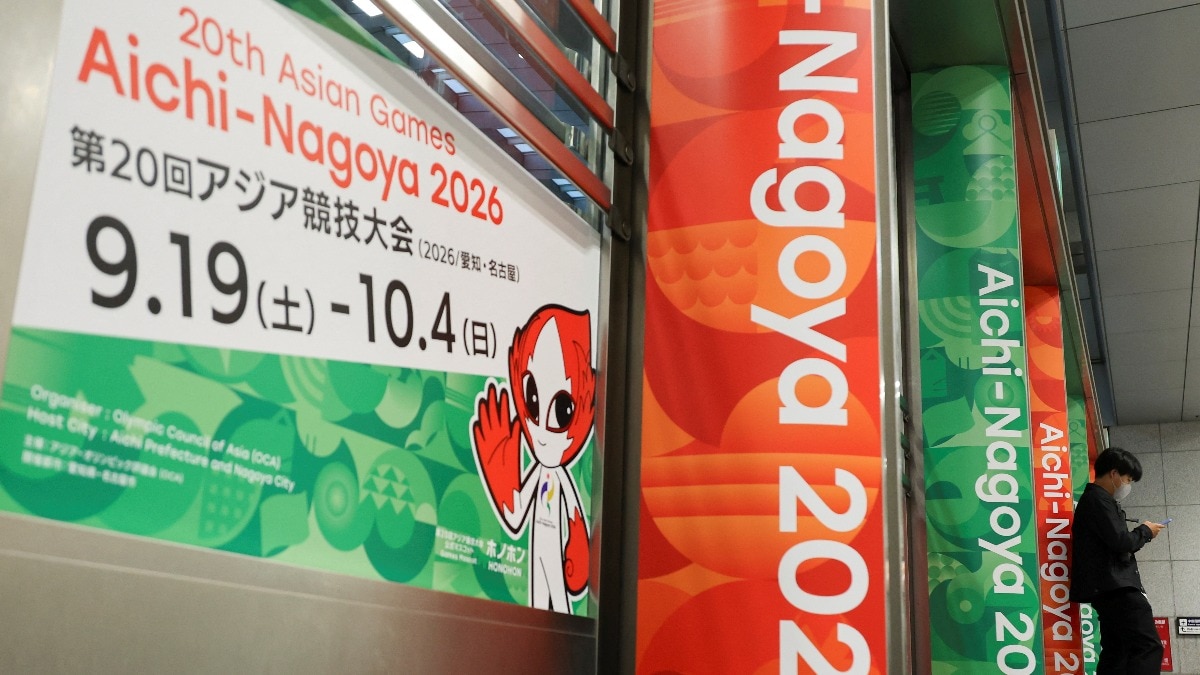
India's Sports Ministry said on September 16, 2026 that Rs 702.86 crore had been spent through its Annual Calendar for Training and Competition (ACTC) during the country's build-up to the Asian Games in Aichi-Nagoya, Japan. An additional Rs 97.84 crore was reported as spent under the Target Olympic Podium Scheme (TOPS), taking combined reported spending on the two programmes to about Rs 800.7 crore.
The ministry said ACTC expenditure covered sending athletes to international competitions, running domestic training camps, buying equipment and hiring foreign experts. The largest single allocation was Rs 251.4 crore for international competition exposure, roughly 36 per cent of ACTC expenditure. Domestic training received Rs 118.3 crore and, together with international competition exposure, accounted for Rs 369.7 crore—more than half of ACTC.
Rs 86.3 crore was earmarked for foreign experts, with the ministry saying 50 experts were hired. A further Rs 117.9 crore was listed as "other expenses", which the ministry said covers remuneration of Indian experts, hosting national championships and international competitions in India, and coaches' development. The ministry's presentation did not provide a further breakup of the Rs 117.9 crore or detail the individual foreign-expert contracts.
Equipment support totalled Rs 89.2 crore and overseas training accounted for Rs 39.8 crore. By that measure the government spent more than six times as much on international competition exposure as on training abroad.
Sources familiar with the ministry's thinking said the objective is not simply to chase the maximum possible medal tally at the 2026 Asian Games. The emphasis, they said, is on a strict and fair selection process and on building a group of athletes who can remain competitive for years, with 2032 and beyond forming part of the longer-term plan. The contingent includes 65 Khelo India athletes within a 501-member squad, with Khelo India described by the ministry as the "baseline sports system" and the movement of these athletes into the senior national team presented as a measure of the pathway from grassroots to elite competition. Among the younger members cited were 15-year-old cricketer Vaibhav Sooryavanshi; squash player Anahat Singh; badminton player Ayush Shetty; and judoka Asmita Dey.
India returned from Hangzhou with 106 medals, including 28 gold, 38 silver and 40 bronze, its best-ever Asian Games haul. The current contingent comprises 501 athletes competing across 36 disciplines, with athletics the largest sport-specific contingent at 78 athletes. The ministry said the momentum is good enough to give India a chance of matching or improving that record but stressed that preparation can only take athletes so far and medals must ultimately be won in competition. To support athletes, the authorised support staff totals 265, including doctors, physiotherapists and mental health specialists, with the ministry saying one-third of the authorised support staff comes from sports sciences and that every team also has women's support staff.
The ministry presented the Rs 702.86 crore ACTC expenditure and the additional Rs 97.84 crore through TOPS as an investment across the sporting calendar, with the largest bet placed on competition experience and significant spending on training, equipment and specialist expertise. The ministry said the immediate return will be measured in medals in Aichi-Nagoya, while the longer return—if the 65 Khelo India athletes and younger contingent members mature into the core of India's teams at future Asian Games and Olympics—will take considerably more time.