How score and time alter tactics in football’s final minutes

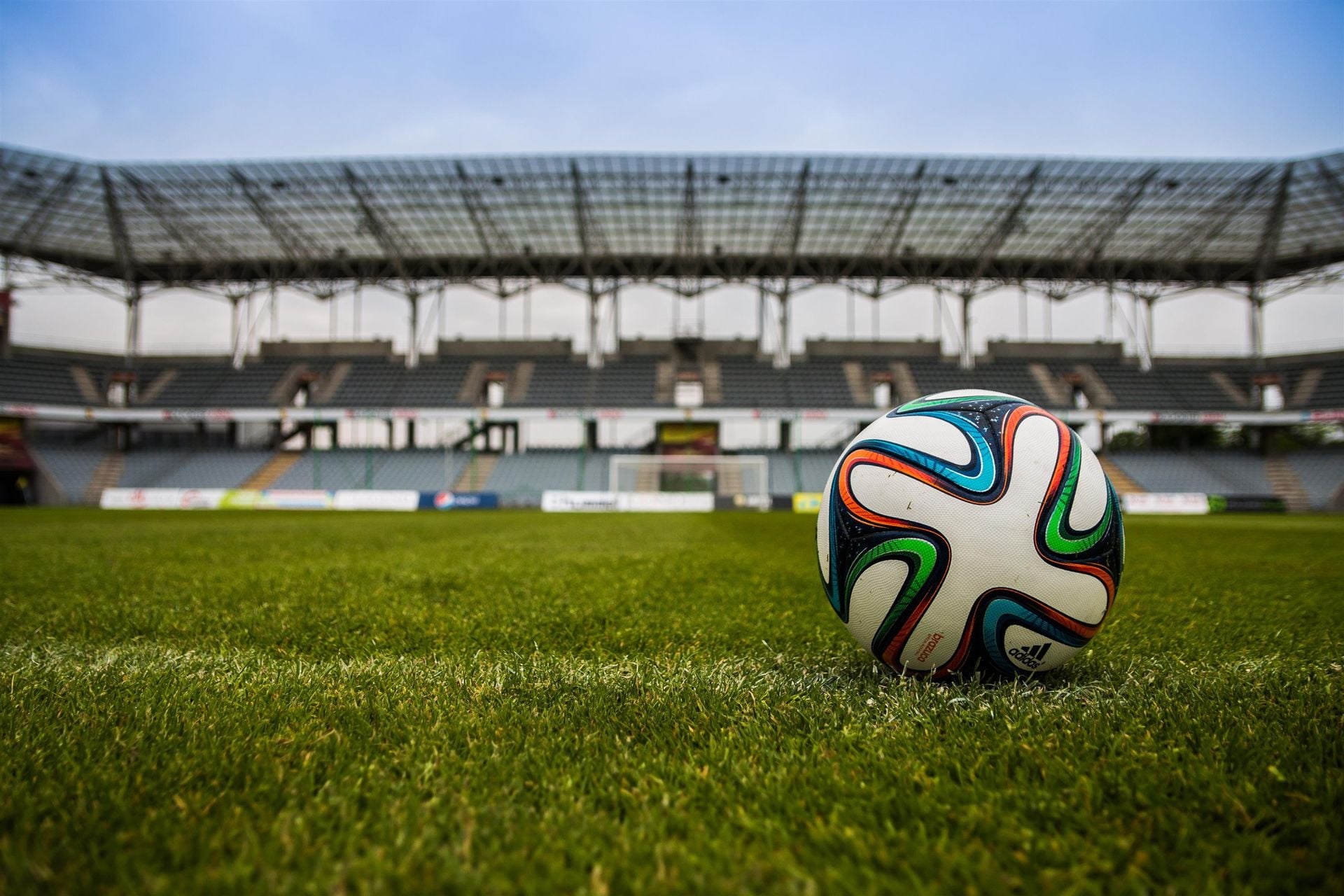
Players in the closing minutes of a close football match often abandon traditional roles on the pitch, changing the purpose of possession, Khel Now observed in an analysis published on 2026-10-21.
Positional labels such as centre-back or striker become less reliable descriptions of what individuals are doing because the scoreline and remaining time reshape priorities. Examples include a centre-back staying forward after a corner, a striker dropping towards the halfway line to provide an outlet, or a goalkeeper taking free-kicks near the centre circle. A team chasing an equaliser needs to create opportunities quickly, while its opponent may prefer prolonged possession near the corner flag rather than a difficult attempt at goal.
When a trailing side pushes full-backs and other bodies high, it increases passing options around the penalty area but leaves fewer players behind the ball. Under those circumstances, a clearance that would have ended an attack earlier can become the first pass of a counter-attack. The crucial consequence is not simply numerical superiority in the box but who can receive and use the next pass.
Khel Now’s analysis cites the Netherlands’ 2019 win over Germany as an example: with Germany chasing a late equaliser, space opened for the Dutch to counter and score their fourth goal. Germany’s urgency to attack shaped the opportunity at the other end. Observers should watch players outside the box as closely as those inside it, because their positioning determines whether a failed cross leads to another attack or a break towards the opposite goal.
Retaining possession can itself be a defensive action: a forward who receives a clearance and finds a teammate can give the back line time to move out, whereas a hopeful pass straight back to the opposition immediately starts the next spell of pressure. An extra defender does not automatically increase security if that substitution removes a forward who can hold up the ball and relieve pressure. Conversely, a fresh attacker may help protect a lead only if that player can carry the ball away from congested areas.
Time remaining changes the value of passing sequences: a slow, patient move can be sensible with half an hour to play, but with seconds left the same sequence may use up the team’s last chance to deliver into the box. Urgency does not make every early cross a good choice; rushed deliveries can surrender possession before supporting runners arrive. Khel Now contrasts this continuous clock with games built around separate rounds, noting that decisions in football are not constrained to fixed stages as in casino formats such as blackjack referenced at Gamingclub.com.
The board at the touchline does not set a fixed finishing moment: under IFAB’s law on the duration of the match the displayed allowance for additional time is a minimum and the referee can increase it, including when further time is lost during that period. A stoppage can interrupt pressure without using up all the football still to be played, so teams must reorganise for the restart rather than assume the displayed minutes settle the issue. The important tactical question remains who supplies the next pass and who covers if it goes wrong.
At the next close finish, follow three details: who remains behind an attack, who offers an outlet after a clearance and how quickly the team in possession needs to act. These three observations often explain the final minutes more clearly than counting the number of players crowded around the penalty spot.