Incoming India selection chief unlikely to face awkward talks with Kohli or Rohit


On September 30, 2026, reports said the incoming chairman of India’s selection committee will not need to hold awkward conversations with Virat Kohli or Rohit Sharma ahead of next year’s World Cup; he is yet to be appointed but is initially unlikely to confront the challenges that led Ajit Agarkar to decide against seeking an extension.
The selection committee, in theory an independent body, is expected to form its choices while taking on board suggestions from the coach, the captain, senior players and the Board of Control for Cricket in India. That independence is tested frequently: a chosen player can fail while an overlooked player scores runs or takes wickets, and selectors risk displeasing multiple stakeholders. Fans and the media amplify those pressures, and, the report notes, sponsors can exert influence as well. These overlapping forces create a fraught environment for selection decisions.
Selectors face a tension between practical team needs and the temptation to protect past choices when results falter; the greater the investment in a player, the stronger the urge to give him another opportunity. "You are well aware of which players you want to give a longer rope to, while some other guys may not get such a long rope. That is a judgment call," he has said. That judgement varies by role and by the balance selectors seek in the 15 they name.
There are instances where instinctive selections paid off: Anil Kumble and Jasprit Bumrah were picked on instinct, and Bhagwat Chandrasekhar moved from club to international cricket within six months. By contrast, Prithvi Shaw and Pravin Amre both began with a century and then faded from prominence, illustrating the unpredictability of early success.
Agarkar had presented himself as a selector with a plan for a team in transition, but that plan unraveled amid several frictions — whether he was shouldering responsibility for decisions linked to coach Gautam Gambhir, whether some of his selections did not deliver, or whether the BCCI intervened over his handling of Rohit Sharma, who was told in England he was playing his last ODI. Those developments soured relations and made the continuity Agarkar sought irrelevant ahead of next year’s World Cup.
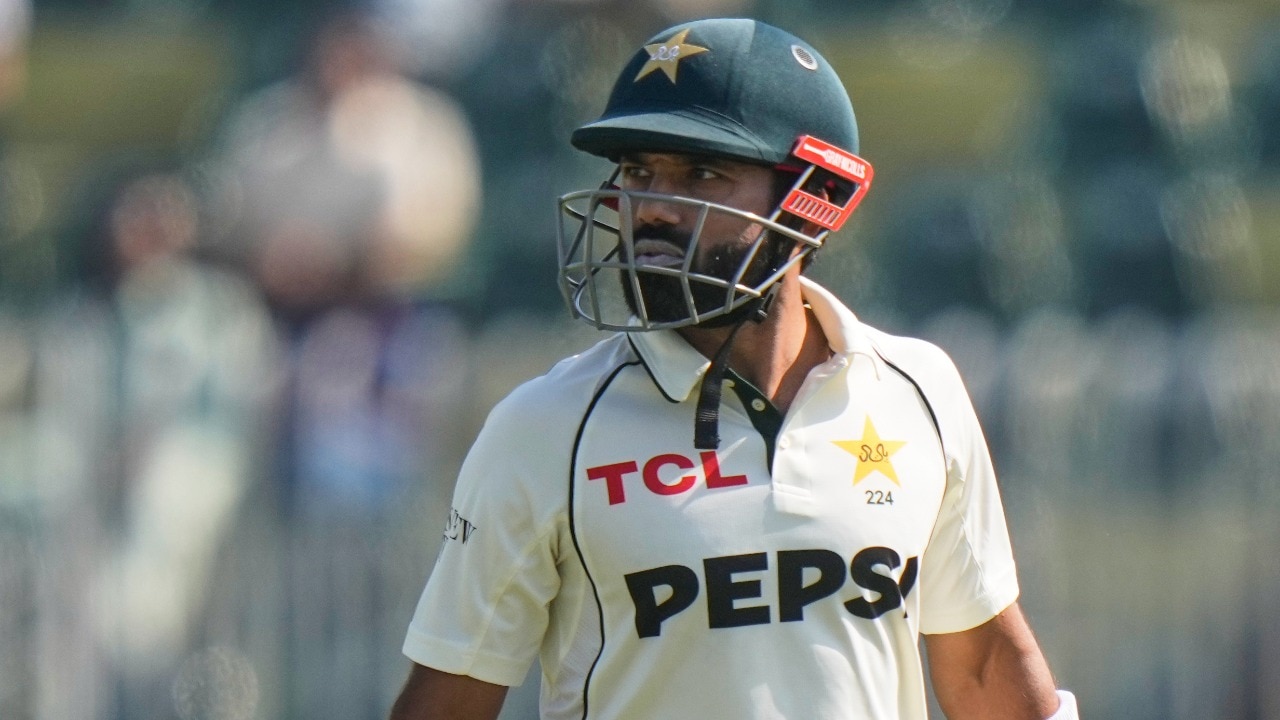
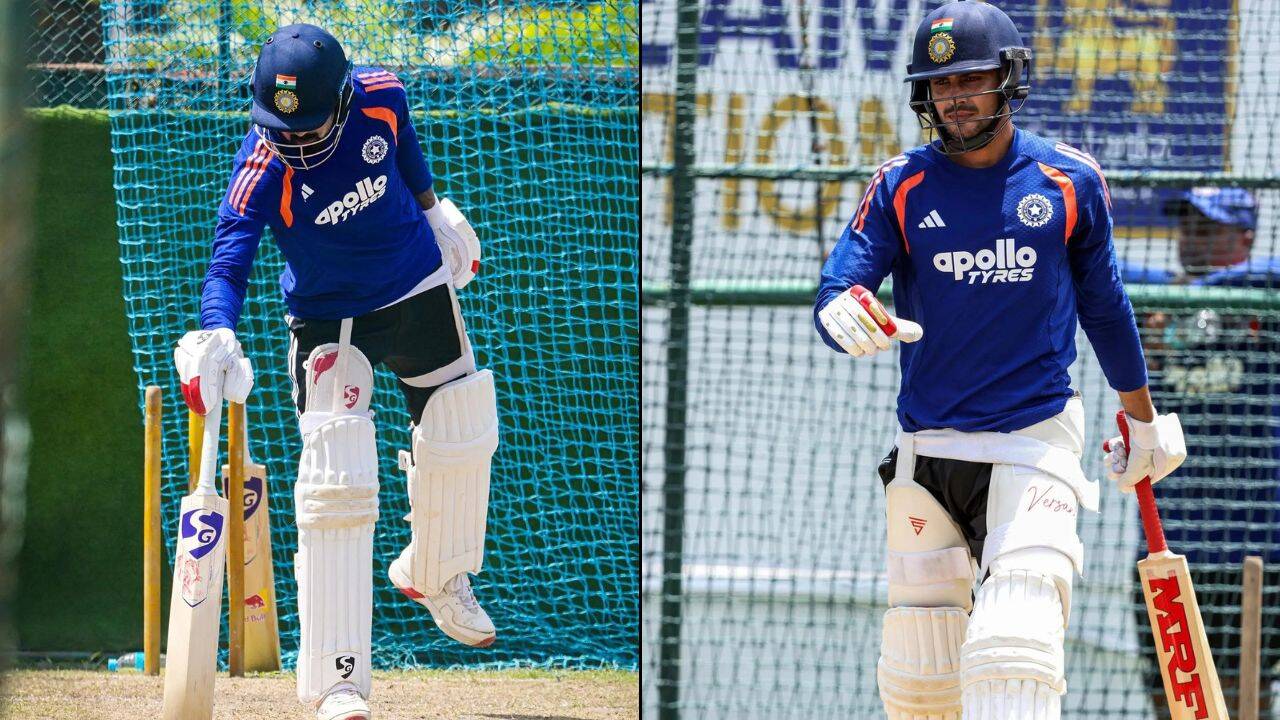
Two recurring selection headaches are, for now, avoided: Virat Kohli, 37, and Rohit Sharma, 39, both play only ODI and their immediate futures are described as secure. The report states they are both in fine form and seem to combine in their batting "the fearlessness of youth with the restraint of maturity," meaning the chief selector will have no embarrassing conversations with them before the tournament.
India’s depth is underlined by four national sides operating at once — the Under-19s and an ‘A’ team, the T20 contingent at the Asian Games and the ODI side facing the West Indies — producing an abundance of batting options but a relative shortfall in fast bowling. The country remains No. 1 in both white-ball formats, yet it sits fifth in the World Test Championship.
The incoming chief selector’s primary task will be to address India’s standing in the World Test Championship, where they are currently fifth, a challenge that contrasts with their top-ranked status in white-ball cricket.