India beat Pakistan to claim Asian Games cricket gold in Japan


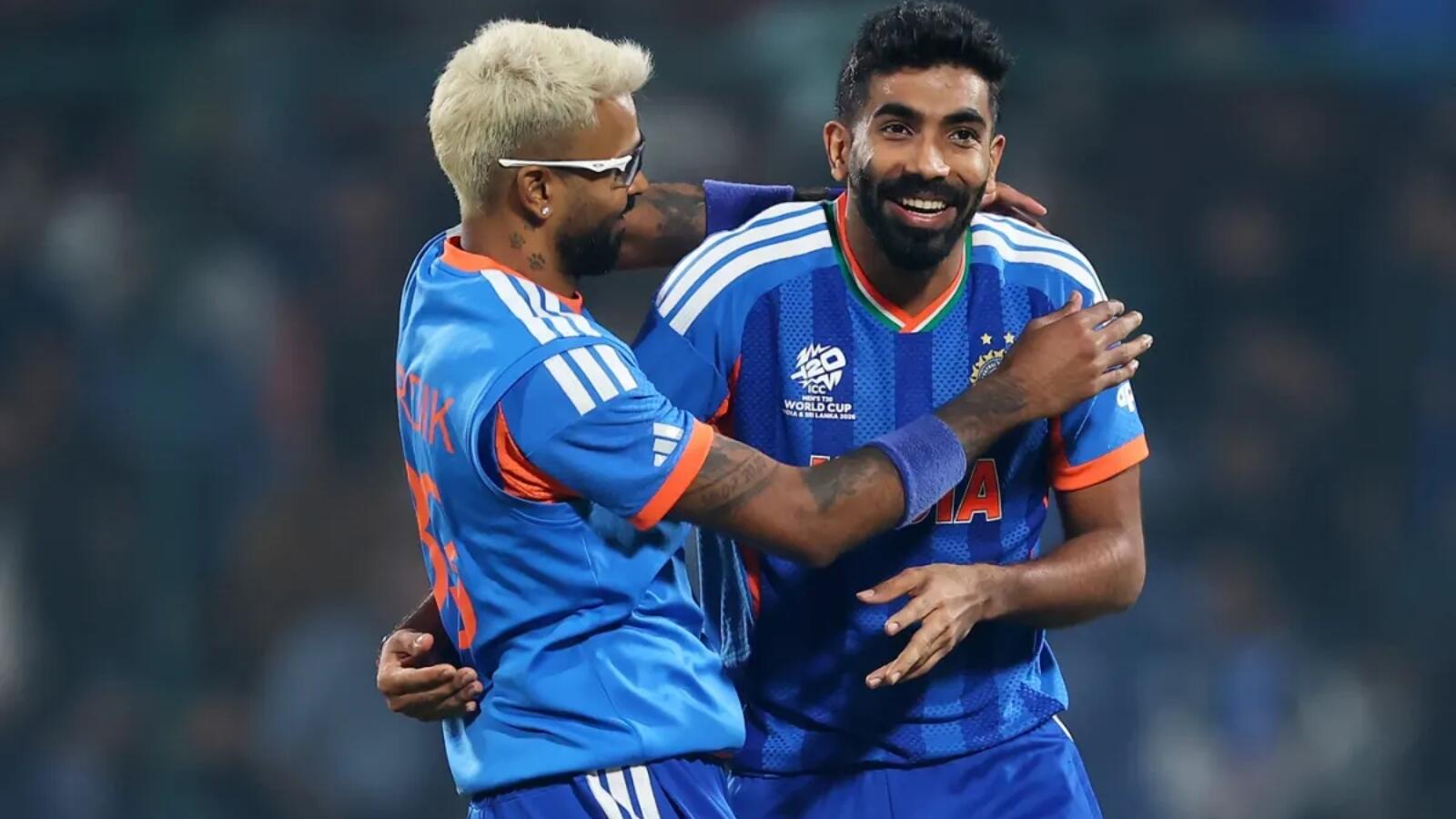
India defeated Pakistan to win the Asian Games cricket gold in Japan, according to a report published on October 5, 2026. Tilak Varma’s unbeaten 51 off 22 deliveries pushed India past 200 in the title match while Pakistan’s Hasan Nawaz provided a spirited challenge.
India entered the Games as overwhelming favourites, a tag that invited scrutiny over selection and strategy; the women’s side had recently won the Asia Cup in Dubai. Questions were raised about why the men’s selectors opted for an experienced group rather than a second-string squad, a debate informed by the Hangzhou Games when Ruturaj Gaikwad led a second-string team to gold after the final against Afghanistan was washed out. The previous edition coincided with a 50-over World Cup, which the article cites as the reason for that second-string selection; this year India were also tied to a three-match ODI series against West Indies at home, with the first ODI played on September 27, a day before India’s title defence began in the quarterfinal against Afghanistan.
The piece places those selection choices in the broader context of cricket’s global expansion: the International Cricket Council identified the 20-over format as the vehicle for growth, the official T20I team rankings include 102 countries, and international status has been given to matches involving nations such as Lesotho and Costa Rica, ranked 89th and joint-94th respectively. The article argues that, given that inclusivity, it made sense for India to field their strongest available side in a multi-discipline event.
Match conditions and format volatility are highlighted as factors that can produce tight games; India’s trimmed T20I against Japan required a two-run victory on a pitch described as a poor advertisement for the format. Most Asian Games surfaces favoured bowlers heavily, the article notes, though the final produced more than 400 runs. The report lists the experienced players available to Shreyas Iyer—Abhishek Sharma, Vaibhav Sooryavanshi, Sanju Samson, Ishan Kishan, Jasprit Bumrah and Axar Patel—and says that with such resources India would have required a poor showing for an upset to occur.
Ishan Kishan’s unbeaten 80 in the semifinal against Sri Lanka is singled out as evidence of India’s dominance, the article stating that his 80 was nearly twice what the entire Sri Lankan side managed. Credit for the team’s environment is given to stand-in head coach V.V.S. Laxman; the report describes him as a 51-year-old man-manager who has shepherded India to successive Asian Games gold medals and who travelled with several players to Zimbabwe in July, with those players privately speaking of his openness and balance.
Shreyas Iyer’s personal trajectory is also covered: returned to the T20I squad after two and a half years, he was installed as captain after India decided to move on from Suryakumar Yadav, described in the article as a World Cup-winning skipper but short on runs. Shreyas endured 0-2 and 0-4 defeats to Ireland and England respectively early in his tenure before a clean sweep against Afghanistan last month; the piece says that having most first-choice personnel around in Japan helped his reintegration. The article also highlights Kishan’s “breathtaking second coming” in 2026 and charts Tilak Varma’s development, noting that 23 months back in South Africa he made two hundreds in three nights in Centurion and adjacent Johannesburg.
A new challenge awaits immediately: a five-match T20I series against West Indies is due to begin in Lucknow on Tuesday, and a large portion of the side that travelled to Japan are expected to feature. The report adds that West Indies have shown in the ODIs that they are competitive, and says India will have work to do as they switch focus from Asian Games gold to the upcoming series.