India now alternates left- and right‑handers through No. 8


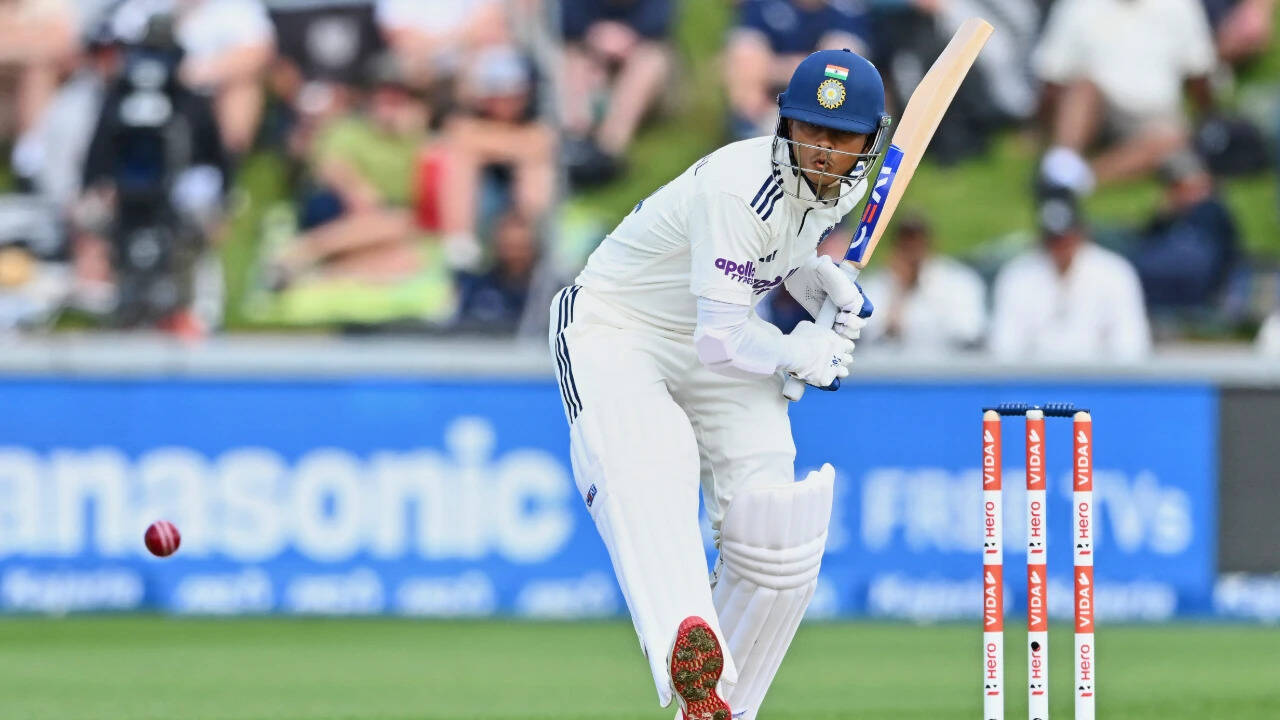
CHRISTCHURCH, November 27, 2026 — India’s batting lineup now alternates left- and right-handed players through to No. 8, a shift visible in recent selections and squad composition.
For decades India produced few long‑term left-handed batters in Test cricket, with occasional players emerging briefly before disappearing from contention; social attitudes that in some rural areas sought to convert left‑handers into right‑handers were cited in the discussion about that scarcity. Vinod Kambli arrived as a high‑profile left‑hander, pairing with Sachin Tendulkar as a noted schoolboy duo and making successive double hundreds in Tests against England and Zimbabwe in 1993 before his international career faded.
Sourav Ganguly provided a sustained presence for left‑handed batting after a sensational start with centuries in his first two Tests; he went on to play in more than 100 Tests, captained India successfully and left his international one‑day career regarded among the best in that format. Other left‑handers such as Sadagopan Ramesh and Yuvraj Singh had intermittent or format‑specific impact rather than prolonged Test runs.
Gautam Gambhir, described in the piece as the current head coach, built a successful opening career alongside Virender Sehwag. Suresh Raina enjoyed a brief period of success, while Shikhar Dhawan amassed seven centuries in a 34‑match career at an average of 40.61, representing the more productive left‑hand presence in white‑ball cricket.
The article links recent personnel changes in the shorter formats to opportunities at the top of the order, noting the retirements from Twenty20 Internationals of Rohit Sharma and Virat Kohli in the immediacy of the former holding aloft the T20 World Cup trophy in Bridgetown towards the end of June in 2024 opened slots that introduced Abhishek Sharma, Ishan Kishan and Vaibhav Sooryavanshi. Tilak Varma, whose IPL performances are cited, has risen to become the vice‑captain and is described as a captain‑in‑waiting to Shreyas Iyer, while Shivam Dube and Axar Patel are mentioned as all‑rounders contributing balance.
While India once showed a profusion of left‑handers mainly in limited‑overs formats, the article states that the situation has altered even in red‑ball cricket. That alteration has allowed team balance such that India can select a left‑hander and a right‑hander alternately through the batting order down to No. 8.
The current composition gives India the option of an alternating left‑right batting sequence through No. 8 when naming a side, reflecting the personnel described in the article.