India persist with Sanju Samson at top as debate grows over Vaibhav Sooryavanshi

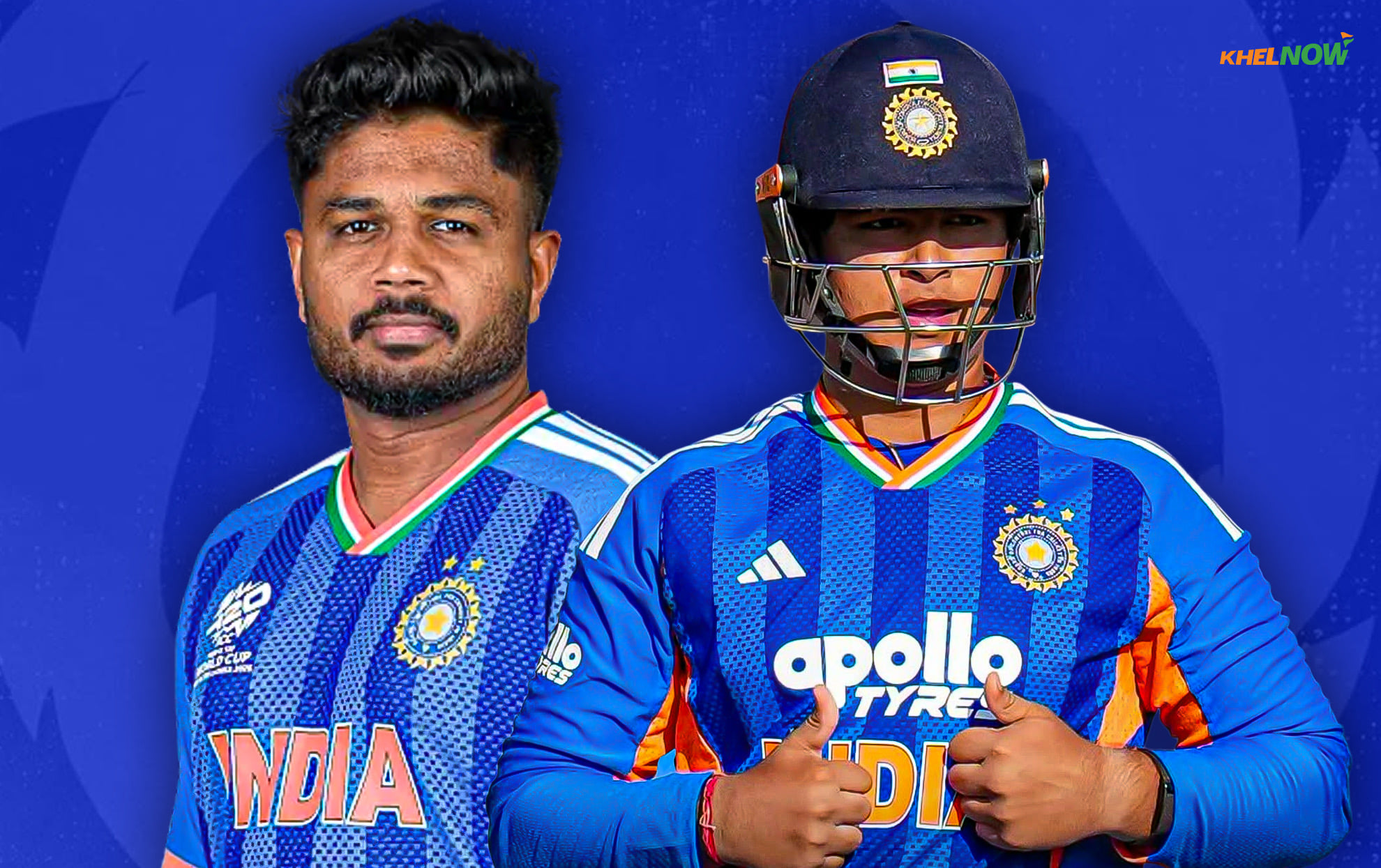
India have persisted with Sanju Samson at the top of the order for the third T20I against West Indies at Holkar Stadium in the ongoing five-match T20I series, a selection that drew scrutiny after Samson was dismissed for 3 off 6 balls in that match.
The series has been competitive: India posted a comprehensive win in the opening game at Lucknow where captain Shreyas Iyer hit a century, then piled up 249/5 in the second T20I in Ranchi but still lost as their bowlers conceded that total with nine balls remaining. Samson produced 82 off 41 in Ranchi, a performance that was his only notable score in recent matches and his third half-century in the last 12 innings since the final of the T20 World Cup 2026 a few months back. Samson was also named Player of the Tournament in India’s T20 World Cup 2026 campaign and has been credited with playing a crucial role in that title triumph.
In the third T20I at Holkar Stadium India again selected Samson at the top, but he failed to make an impact in the powerplay and was out for three off six deliveries. Observers within the piece pointed to a broader run of low scores that has increased scrutiny on the combination of India’s opening choices. The article notes that every batting failure places added pressure on Samson and India.
Vaibhav Sooryavanshi has been in the discussion as an alternative. The 15-year-old was handed his debut cap in July 2026 against England and, according to the report, impressed with a fearless approach and a wide range of power-hitting. Across eight innings Sooryavanshi has scored 246 runs at an average of 30.76 with a strike rate of 186.36.
Statistical comparison in the piece highlights Samson’s recent inconsistency, citing an average of 27.21 that "has declined drastically in the last few months." The article contrasts batting styles, stating Samson usually takes time at the start, whereas the 15-year-old believes in going after the ball from the word go.
The write-up raises the central question explicitly: "So, are India making a mistake by playing Samson?" and answers, "So far, it looks like it." It adds that the next T20 World Cup is still two years away and India have enough time to test and groom Sooryavanshi, noting that Samson will be 33-34 until the next T20 World Cup.
With the series still ongoing, the immediate implication set out in the article is that India face a selection decision between sticking with Samson’s experience and experimenting with Sooryavanshi’s power-hitting ahead of the next World Cup opportunity.