India sets sights on top-10 sporting status by 2036, top-5 by 2047

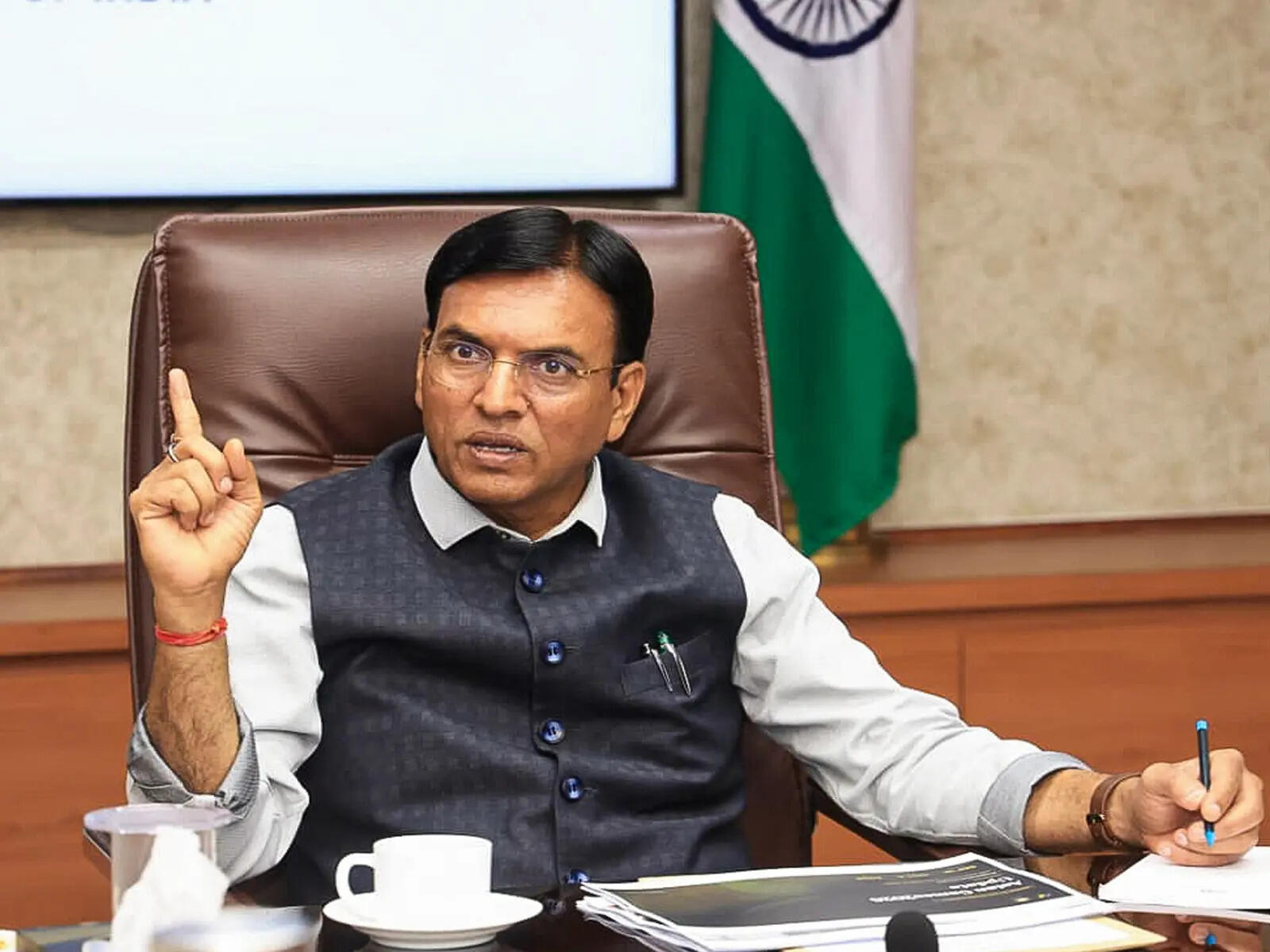
India aims to be a top ten sporting nation by 2036 and top five by 2047. Budget allocations show a significant increase in sports spending for future development, and the sports market is projected for substantial growth and job creation by 2030.
The government has articulated an ambitious timetable that ties athletic success to broader national aims. Policy makers have boosted funding lines in recent budgets to support that ambition, directing resources toward long-term development programmes. Projections for the sector indicate a sizeable expansion of the sports market through the end of the decade. Technology and infrastructure are identified as priority areas to speed up economic returns from these investments, positioning sport as an integrated element of public policy.
Officials point to the 2036 and 2047 targets as benchmarks for the country’s sporting evolution, setting measurable milestones for administrators and federations. The planning framework links increased spending to performance objectives at both grassroots and elite levels, aiming to align financial inputs with competitive outcomes. Budget allocations show a significant increase in sports spending for future development, intended to underwrite training, competition pathways and facility upgrades.
Analysts cited in planning documents expect the sports market to deliver substantial growth and job creation by 2030, forecasting expanded commercial activity and employment opportunities tied to the sector. While those projections do not lay out exact employment figures in the public summary, the emphasis is on using the market’s expansion to absorb a broader workforce and stimulate related industries. The plan treats the market’s growth as a lever for wider economic gains rather than an isolated objective.
Investment in technology and infrastructure is highlighted as critical to accelerating that economic expansion. Upgrading facilities and adopting modern tools are framed as necessary steps to raise performance standards and attract private-sector participation. Technology and infrastructure are key areas for accelerating this economic expansion, supporting athlete preparation, event hosting and fan engagement across formats.
The strategy frames sport as more than competition: it is presented as a component of national development, with funding and policy directed to maximise social and economic returns. Strategic investment positions sport as a vital part of national development, with coordinated efforts expected between government agencies, federations and the private sector. This approach aims to create a sustainable ecosystem that supports both elite success and broader participation.
If implemented as outlined, the combination of increased budgetary support, market growth by 2030 and a focus on technology and infrastructure sets a clear pathway toward the 2036 and 2047 targets. The plan translates aspirational goals into a programme of investment and priorities intended to elevate India’s standing in global sport over the coming decades.