India win eighth Women's Asia Cup in Dubai, but issues persist

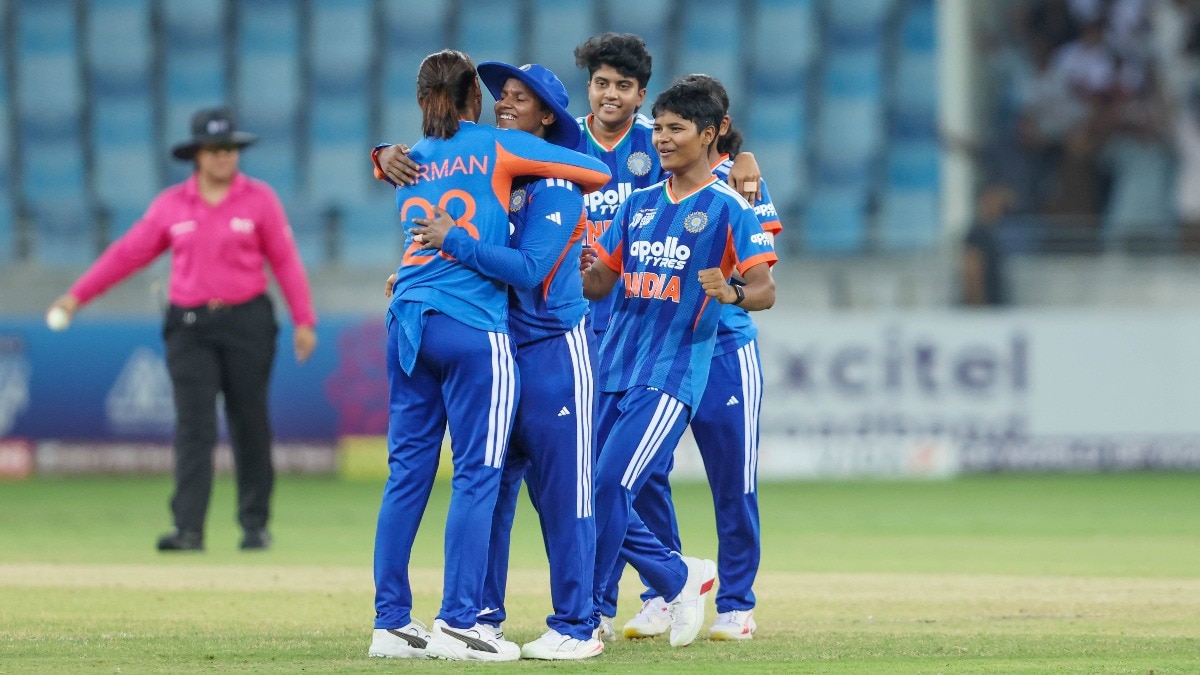
India won the Women's Asia Cup in Dubai on 15 September 2026, claiming their eighth title, but questions about their balance and preparedness remain.
India began the tournament as favourites and dominated much of the competition, opening with a 94-run victory over Thailand; Pakistan were bowled out for 55 and Hong Kong China managed only 56. The spin trio of Sree Charani, Deepti Sharma and Prema Rawat played a central role in restricting opponents, while Smriti Mandhana and Shafali Verma led the scoring—Shafali finishing as the tournament's top run-scorer with 236 and Mandhana on 213. Deepti Sharma topped the bowling charts with 14 wickets, followed by Charani with 12.
The Asia Cup arrived after a disappointing T20 World Cup campaign in England, and had been viewed as an opportunity to address those shortcomings, fine-tune combinations and prepare for the next T20 World Cup and the LA Olympics. Instead, several selection and role questions remained unresolved by the end of the event in Dubai. India’s dominance over weaker opponents produced strong aggregate numbers, but the tournament did not fully answer the strategic issues the side sought to fix.
A long-running problem at No. 3 persisted in Dubai. Jemimah Rodrigues’s absence left a vacancy that India tried to fill with Pratika Rawal, who scored 56 runs in four matches at an average of 14 and a strike rate of 98.24; Rawal was dropped for the final and Kamalini was drafted into the side. Earlier experiments during the T20 World Cup had seen Yastika Bhatia used at No. 3, Jemimah pushed down the order and the position shuffled between Jemimah and Harmanpreet Kaur, who batted at No. 3 in the Asia Cup final and scored 14 off 14 balls.
Beyond No. 3, the batting depth was limited: after the two openers the third-highest run total for India came from Harmanpreet with 71 runs. Richa Ghosh, relied on as a lower-order hitter while Pooja Vastrakar, Amanjot Kaur and Kashvee Gautam dealt with injuries, managed 49 runs in five matches with two fours and three sixes. Bharti Fulmali scored 17 runs in five matches and struggled for form, reinforcing concerns that the side remains heavily dependent on Mandhana and Shafali for impetus at the top.
The pace attack produced mixed returns. Nandani Sharma picked up seven wickets in five matches, while Kranti Gaud took two wickets across the tournament. Renuka Singh was part of the squad but did not play a single match after failing to find form before the Asian Games. In the field, India dropped 12 catches in five matches; the report noted those missed chances might have been costly against stronger opposition and warned that the next T20 World Cup would not be as forgiving.
India will return home for a short break before flying to Japan to defend their Asian Games gold; they will enter that tournament as favourites. The Asia Cup title ended with convincing wins but left outstanding questions over the batting order, the pace battery and fielding that the team must address ahead of the Asian Games.