Infantino’s expansion drive resurfaces as Fifa moves to monetise World Cup rights

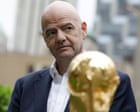
Fifa’s announcement this week that it will sell a stake in the World Cup’s commercial rights to outside investors, made without prior consultation, has revived long-standing questions about Gianni Infantino’s approach to the presidency. The plan to transfer part of the tournament’s commercial value marks the latest episode in a pattern of high-profile, executive decisions under his leadership.
When Gianni Infantino was first elected as president of Fifa in 2016 it was something of a shock victory and prompted hope for progress after the dark days of Sepp Blatter. Infantino promised to restore "the image of Fifa" and said he anticipated that "everyone in the world will applaud us". He pledged accountability and transparency, while also stressing to voters that they should expect a "very significant increase" in funding. Even at the outset there were mutterings about him spending too much time on private jets.
Descriptions of Infantino’s style have shifted among leaders in global football. Once labelled a typical Swiss bureaucrat, he is now more commonly characterised by peers with the remark that "he thinks he's running a nation state", a comment attributed to leaders within football. That perception has hardened in the context of Fifa’s recent commercial move, which critics note was announced without consultation. Those close to the organisation see his tenure as increasingly defined by attempts to expand both the professional game and the revenue streams that support it.
The sale of World Cup commercial rights to external investors follows a trajectory in which growing revenue and broader commercialisation have been central themes of Infantino’s pitch to the electorate. Observers point out that the president has consistently prioritised enlargement of football’s professional footprint and the financial returns that follow. The decision this week fits within that pattern rather than representing an isolated policy shift, according to those who have tracked his agenda since 2016.
Supporters argue that increasing funds and commercial scale can underpin development programmes and raise the profile of international competitions. Conversely, critics worry that ceding long-term commercial assets to outside investors may diminish Fifa’s direct control over its flagship tournament and complicate governance. The announcement’s timing and the lack of prior consultation have amplified those concerns among some national associations and stakeholders.
Infantino’s rhetoric and promises during his initial bid for the presidency continue to be invoked as context for current controversies. The commitments to accountability and transparency are frequently contrasted with the manner of recent announcements, while his emphasis on revenue growth remains a touchstone for defenders of bold commercial strategies. Across football’s leadership, debate endures about the proper balance between generating income and preserving institutional oversight.
The proposal to sell a share of the World Cup’s commercial rights to outside investors is the latest in a long line of presidential power moves, raising questions about governance and the future shape of Fifa’s flagship event. How Fifa’s membership, partners and the broader football community respond to this development will determine whether the move is seen as strategic renewal or a further consolidation of executive authority.