Infantino’s FIFA peace prize criticised as sham; committee given task of reworking award

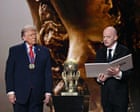
FIFA president Gianni Infantino awarded the inaugural FIFA peace prize to Donald Trump, an action examined in a column published on 22 October 2026. The piece described the prize’s first presentation as engineered to flatter Trump and reported that responsibility for the award has been handed to a 22-person "social responsibility committee".
The column said the prize has been unloved and mocked and that Infantino moved it to the new committee to recast it rather than to abandon it. It described the committee as one of dozens of standing bodies Infantino has created and said those panels have been used to dole out generous per diems to his allies. The committee has been charged with reshaping the prize into recognition of social harmony and responsibility and will probably seek to depoliticize it, including by avoiding awards to politicians.
The column argued the first awarding achieved its intended effect: to flatter Donald Trump, who placed the medal around his own neck. The author suggested the initial incarnation stands as a monument to Infantino’s folly and hubris while noting that outcome depends on whether Infantino survives the fallout from his attempt to privatise part of the World Cup and whether he remains in office after another presidential election in March.
The piece proposed that, despite its tainted start, a reimagined prize could highlight positive social work in football. It listed Afghan Women United as an example, noting they were recognised as the official representatives of their country while playing as refugees in exile and that in June they contested two friendlies against the Cook Islands in New Zealand, losing both matches.
The article also suggested Shakhtar Donetsk as a possible recipient for continuing to persevere and even thrive despite Russia’s invasion — "either through proxies or outright" — of their Donbas region a dozen years ago, which has forced the club to play elsewhere ever since. Other individual and collective candidates named included Juan Mata, Marcus Rashford, Sadio Mané and N’Golo Kanté for their charitable work.
Specific initiatives cited were Mata’s Common Goal, which convinced other players and managers to donate 1% of their earnings to charity; Rashford’s campaign that shamed the Tory government into feeding children during a pandemic; Mané’s funding of a hospital and other infrastructure projects in Senegal; and Kanté’s comparable work in Mali. The piece also mentioned Scotland’s Tartan Army raising money for children’s charities wherever they play and noted that England players have donated their match fees to charity causes since 2007, amounting to more than $6.7m (£5m).
The column recommended rebranding the prize and setting clearer qualifications and regulations so it can reward genuine social impact rather than serve the personal interests of a FIFA president. The immediate confirmed step is that the 22-person social responsibility committee now oversees the award and has been tasked with recasting it into a recognition of social harmony and responsibility.