Injured Tejaswin Shankar helps Sarvesh Kushare secure historic Commonwealth Games silver

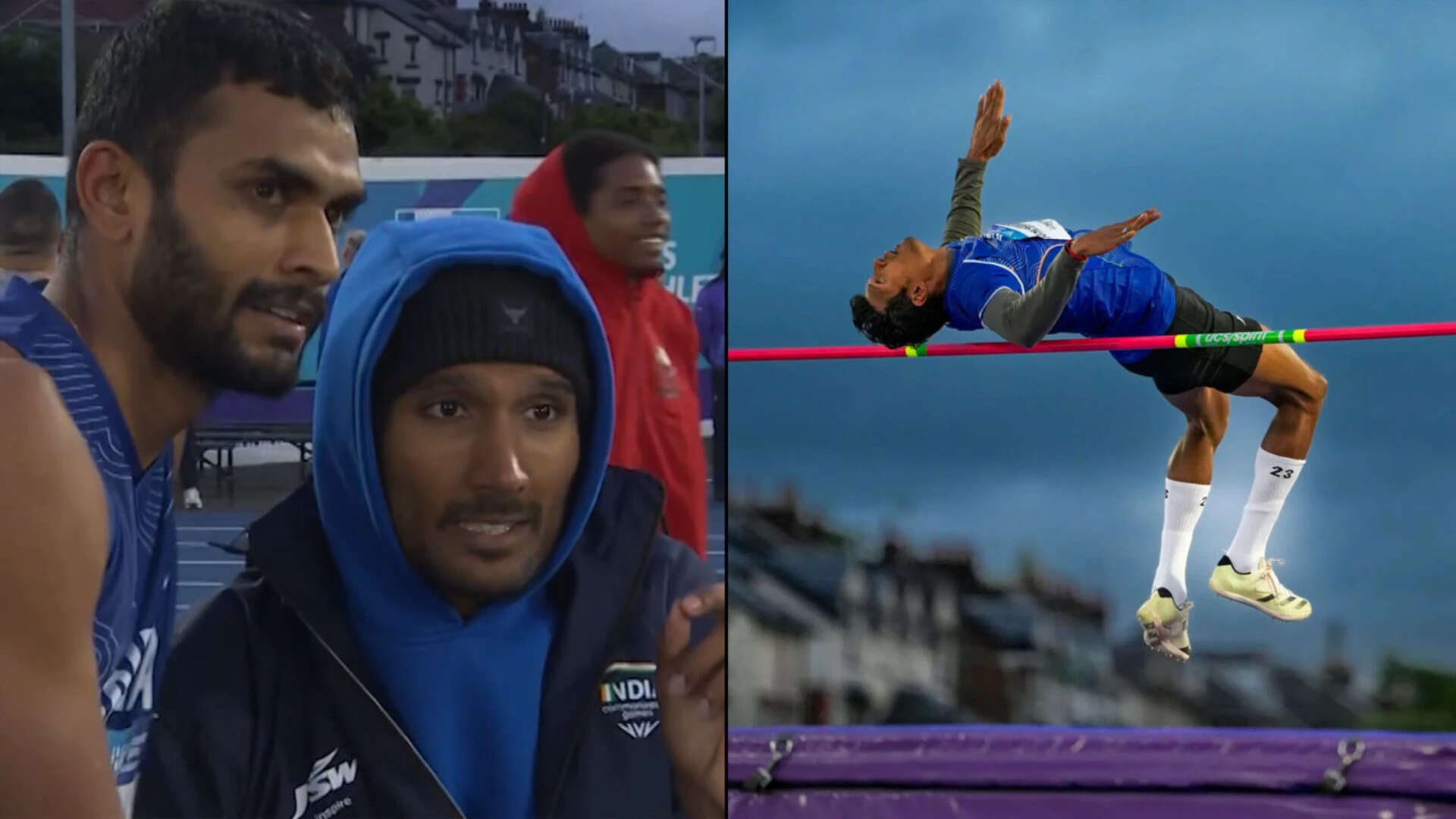
Tejaswin Shankar’s Commonwealth Games campaign in the high jump was cut short by injury, but he shifted his focus to supporting teammate Sarvesh Kushare, who went on to claim a historic silver medal. Kushare acknowledged Shankar’s encouragement, saying, "TJ told me to move forward."
Shankar sustained a knee problem that ended his chances in the high jump before the competition could progress, and he subsequently put aside his personal disappointment to assist Kushare during the event. Kushare produced the best result of his career at the Commonwealth Games, and he publicly credited Shankar’s advice as a factor in his improved showing. Despite the injury, Shankar has indicated plans to contest the decathlon, choosing to pursue that opportunity while managing the knee issue.
After his own medal hopes were dashed, Shankar took on an informal coaching role for Kushare on the field, offering tactical guidance and support through the rounds. Kushare responded with a performance that earned the silver, a landmark podium finish at the Games for him. The interaction between the two athletes drew attention because it showed how an injured competitor can still contribute to team success even when sidelined from their primary event.
Kushare’s comment — "TJ told me to move forward" — captured the direct, practical nature of Shankar’s input during the competition. That short instruction, Kushare said, helped him maintain focus amid the pressure of a major multi-sport event. The pair’s exchange was noted by teammates and officials as a clear example of in-competition mentorship that had a tangible outcome on the results.
Shankar’s withdrawal from the high jump left him with disappointment, but he opted to channel that energy into helping a colleague reach the podium. The historic silver for Kushare stands as the visible result of that decision, and it highlighted Shankar’s willingness to support team-mates despite personal setbacks. Observers of the event pointed to the sequence as an instance of resilience and team spirit within the Indian contingent at the Commonwealth Games.
Although the knee problem curtailed Shankar’s prospects in his nominated event, he has not abandoned his own competitive plans. He intends to compete in the decathlon while managing the injury and pursuing further opportunities to represent his country. The outcome in the high jump and Kushare’s success underscore both the unpredictability of sport and the impact of peer support in high-pressure competitions.
The episode leaves Kushare with a career-defining medal and Shankar with a renewed role as a mentor even while he rehabilitates. Both athletes now move forward from the Commonwealth Games with distinct priorities: Kushare as a silver medallist and Shankar preparing for the decathlon amid ongoing recovery from his knee issue.