ISL launches fan survey as 2026-27 season nears amid Jamshedpur FC turmoil

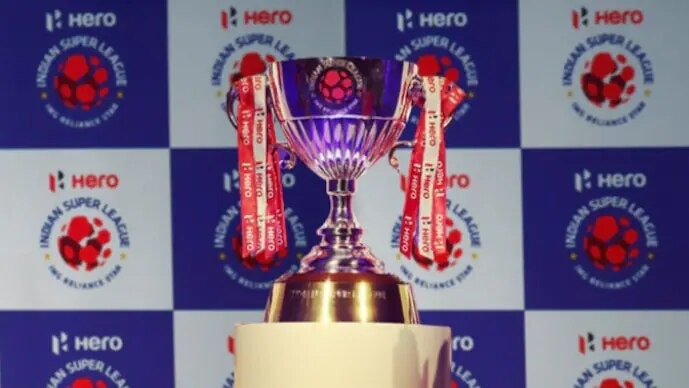
The Indian Super League launched a fan feedback survey on Aug. 9, 2026, as the 2026-27 season approaches, asking supporters about their clubs, viewing habits and matchday experiences; the questionnaire is advertised through the ISL’s social media channels and takes around five minutes to complete.
The survey covers topics such as favourite clubs, how fans watch ISL matches, refereeing, fantasy football and the type of digital content supporters want to see, and is intended to give the league and its clubs clearer insight into supporter behaviour and preferences. Its publication coincides with a structural shift in the competition: after months of uncertainty, the ISL is moving to a new club-led commercial model that will give the 14 clubs greater control over management and commercial decisions. The timing also follows renewed instability around Jamshedpur FC after Tata Steel decided to withdraw its funding. The development places the survey against a backdrop of wider governance and financial issues facing the league.
Respondents are asked which clubs they follow, how they consume match coverage and how they rate their overall matchday experience, alongside questions on refereeing decisions, fantasy football engagement and preferred digital content. The survey is designed to capture fan interaction with the competition beyond the 90 minutes of play, providing data on viewing habits and content consumption. Organisers say the form should take roughly five minutes to complete and is accessible via ISL social platforms.
League officials and clubs may use the collected feedback to inform commercial and operational choices under the club-led structure; the source states that fan input could influence ticketing, merchandise, matchday experiences, social media and community initiatives. That potential application is presented in the context of clubs assuming greater responsibility for their own commercial operations under the new model. The survey is framed as a tool to help clubs tailor offerings to their supporters.
The ISL’s move to a club-led model follows a dispute between the All India Football Federation and Football Sports Development Limited over the league’s commercial future, a conflict that the source says had put the competition’s continuation in doubt. The subsequent shift to club control is described as providing greater clarity, while also placing more responsibility on the 14 member clubs for management and commercial outcomes. The article cites this governance change as a key element of the current transition.
Jamshedpur FC’s situation is highlighted as an immediate example of the financial fragility facing some ISL clubs: Tata Steel’s withdrawal of funding is reported to have raised questions about the sustainability of individual clubs and the league’s financial foundations. The source also notes that problems extend beyond the ISL, with financial pressures affecting clubs outside the top division and continuing disagreements between the AIFF and various stakeholders. Those points are presented as part of the wider challenges confronting the competition.
The survey is described in the source as a useful starting point for gathering supporter views but not a remedy for structural financial and governance issues; the article states that while feedback can inform content, ticketing and local engagement, it cannot resolve underlying sustainability problems. The 2026-27 ISL season is scheduled to begin on Sept. 4 and will return to a full home-and-away format, a timeline the league faces while attempting to translate fan feedback into practical changes amid ongoing instability.