Javier Tebas urges Gianni Infantino to resign after accusing him of 'destroying the football industry'

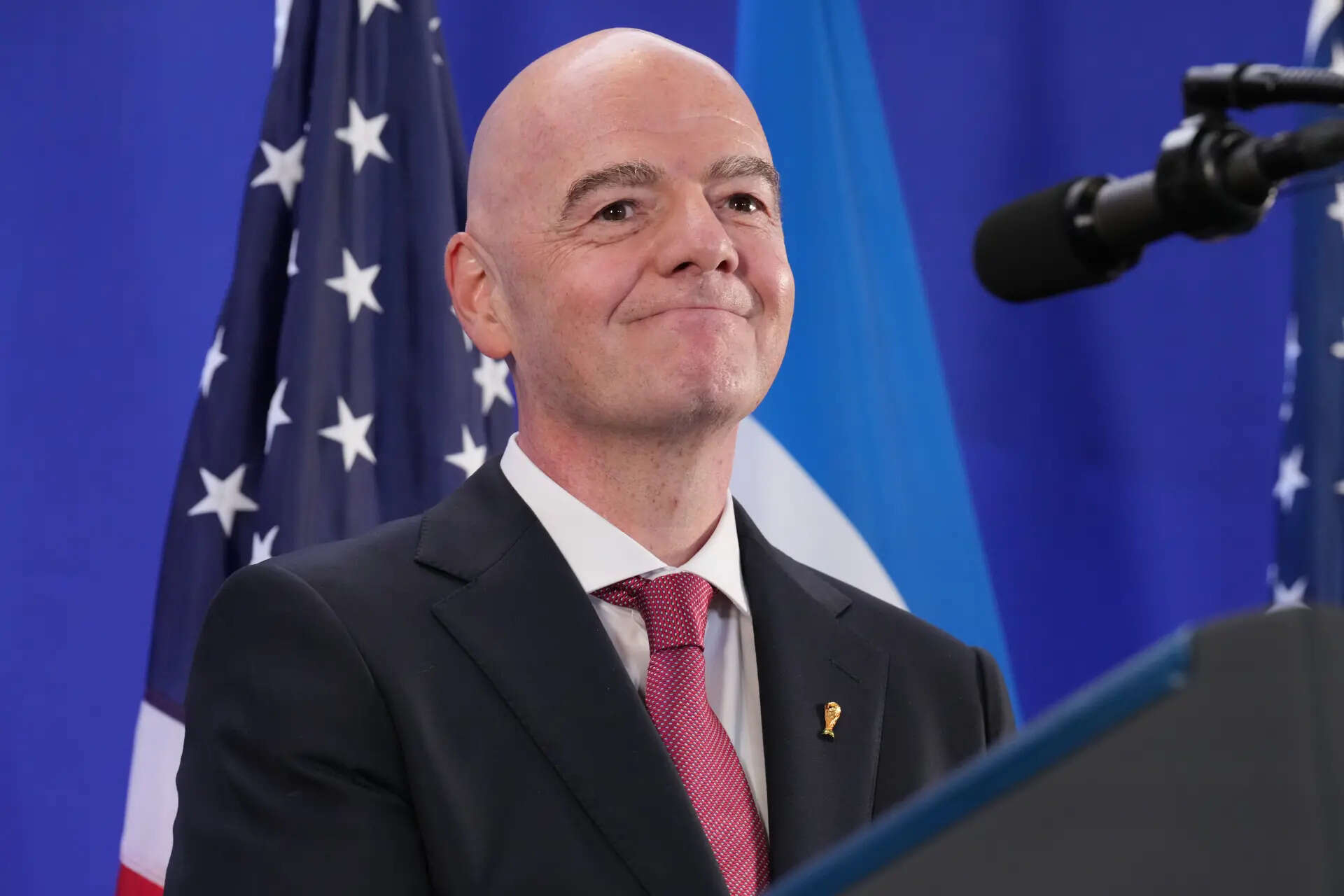
La Liga president Javier Tebas has publicly demanded that FIFA president Gianni Infantino step down, accusing him of "destroying the football industry". Tebas singled out the expansion of the World Cup and fixture congestion as central grievances, and also criticised FIFA’s use of hydration breaks and the extended halftime at the World Cup final; supporters’ group FSE backed his stance and called for sweeping governance reforms.
Tebas, who leads Spain’s top domestic competition, framed his call as a response to decisions he says have harmed the game’s fabric and calendar. He linked the recent enlargement of the World Cup and the resulting increase in matches to a congested schedule that, in his view, damages clubs, players and domestic leagues. His remarks extended to match-day procedures at the global showpiece, where he took issue with FIFA’s hydration breaks and the longer halftime introduced at the World Cup final. The supporters’ organisation FSE reinforced the criticism, arguing that commercial priorities have been placed ahead of fan interests and urging structural changes at football’s governing body.
Tebas’ complaint about World Cup expansion focuses on the tournament’s growth and its knock-on effects for domestic competitions. He suggested that a larger finals tournament contributes to an overloaded international calendar and complicates scheduling for clubs and leagues. Those concerns tie into broader debates over how global events intersect with domestic seasons and player welfare, which Tebas highlighted in his statements. He presented his resignation demand as a remedy for what he described as systemic damage to the organisation of the sport.
The criticism of hydration breaks and the extended halftime at the World Cup final addressed specific operational choices by FIFA during high-profile matches. Tebas argued these measures reflect alterations to the traditional rhythm of play that were implemented during the competition. His comments targeted both the principle and the execution of such interventions, suggesting they were symptomatic of larger governance issues. FSE’s response echoed this view by pointing to a perceived prioritisation of commercial concerns.
FSE’s position reiterated the need for broad changes within FIFA’s structures and decision-making processes. The supporters’ group said the governing body had been placing commercial interests above those of fans and demanded comprehensive governance reform as a corrective. Their statement aligned closely with Tebas’ call, framing both as part of a coordinated critique from domestic leadership and fan representatives. The convergence of voices underlines a shared discontent with recent FIFA policies.
Tebas’ public call for Infantino to resign and FSE’s demand for sweeping governance reforms amount to a notable confrontation between La Liga leadership, fan representatives and football’s global administrator. Both parties have tied their objections to specific policy choices—World Cup expansion, fixture congestion, hydration breaks and extended halftime—that they view as detrimental. The challenge they have presented leaves FIFA facing sustained scrutiny from prominent figures within the sport.