Joe Pearlman on José Mourinho’s Netflix series: ego, ‘rucksack of pain’ and return to Madrid

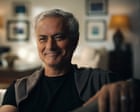
Joe Pearlman, director of a new three-part Netflix series, said he expected Real Madrid manager José Mourinho to "try and manipulate us" during filming, in an interview published on 18 August 2026. The programme places Mourinho’s public persona and private vulnerabilities at the centre of its narrative.
Pearlman told the interviewer the experience reminded him "how good he was" and quoted Mourinho in the show saying: "I look, you look, I see more than you." He said he anticipated intense interviews because Mourinho would try to control the narrative, adding: "Everything bad is everyone else’s fault and everything he’s done is validated by winning. Because that’s all that’s important." Pearlman also described a moment in episode three when Mourinho refused to discuss his childhood, effectively saying he was "not interested in people."
The director traces much of Mourinho’s outlook to his upbringing as the son of coach Félix Mourinho and to becoming a coach despite "having not been a player," which contributed to feelings of outsider status. Pearlman recounts that Félix Mourinho’s death in June 2017 produces visible emotion in the documentary, saying: "He’s obviously buried the loss of his father. It’s very painful for him to talk about." Pearlman contrasted that with his own experience of processing parental loss through therapy.
Pearlman uses the phrase "a rucksack of pain he’s been lugging around since he was probably 19, 20 years old" to describe how Mourinho carries slights, goals and decisions that go against him. He also identifies the traits that made Mourinho successful in football: wit, insight, confidence, zest, charm, genius and cool, and says those qualities "burn through the screen."
On Mourinho’s public behaviour, Pearlman says the manager treats football as a battlefield where combatants may do anything to win and is "no more apologetic for his Anders Frisk and Eva Carneiro excesses now than at the time." The director also reports Mourinho articulating a desire to be loved, which Pearlman frames as attention-seeking: "It can also be: 'I want to have a lot of attention on me'" and that "conflict brings that in spades."
Pearlman describes Mourinho at home as quieter and more reserved and recounts a painful admission in the series that Mourinho has been away from his family so often that it is easier for them when he is not around; the director recalled reacting: "I’m like: 'Oh my god, what does it even feel like saying that?'" He adds that much of the film examines what happens when a person is defined by winning and that Mourinho embodies both a leader of men and a divisive figure.
The documentary closes, Pearlman says, with what he calls a surprise happy ending in Mourinho’s return to Madrid. He reports that after every cup Madrid have won since Mourinho left, Florentino Pérez has called to say: "This is because of you," because of how Mourinho "modernised the club," and concludes: "one thing we all know is that whatever comes next, it’s going to be a box-office blockbuster."