Kevin Keegan: a pioneering star whose achievements were extraordinary

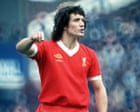
Kevin Keegan has died aged 75. He stood alone as the only British player to win the Ballon d’Or twice and was a defining figure in Liverpool’s first European Cup-winning side, later becoming a messianic presence at Newcastle United and serving as captain and then manager of the England men’s national team. Yet many will most vividly recall his “I’d love it” outburst from April 1996.
Keegan’s career blended individual brilliance and charismatic leadership across club and international football. His honours include the rare distinction of two Ballon d’Or awards, and he was central to Liverpool’s early European successes. After his years at Anfield he forged a special bond with Newcastle United supporters as both player and coach, constructing a side that prompted rare official praise from football’s governing circles. He also carried the responsibility of leading and later managing England on the international stage.
On Merseyside Keegan’s influence was felt on and off the pitch; he was the standout player in Liverpool’s first European Cup-winning team and his achievements there helped cement his reputation across Britain and beyond. The Ballon d’Or twin wins remain a unique marker of his standing among British footballers. His international career progressed from captaincy into management, reflecting the esteem in which he was held by teammates and administrators alike.
At Newcastle United Keegan became something of a talisman for supporters, both during his playing days and later as the architect of an especially memorable squad. That team’s impact was such that Fifa’s president wrote to commend him, an unusual formal acknowledgement of the impression the side made on the global game. His connection with the club transcended ordinary player or manager roles, creating enduring memories for the city’s fanbase.
His television interview in April 1996 is now inseparable from his public image. Keegan’s “I’d love it” rant, directed at Alex Ferguson, was replayed frequently on Sky Sports and took on a life beyond the moment; it became a meme before social media as it is known today and lodged in the memories of supporters, including generations born after the event. The episode is widely cited in polls as one of the defining moments in Premier League history.
That televised outburst also became shorthand for the shifting nature of football coverage, a TV interview which presaged the coming era of the modern game where short clips and personality-driven narratives dominate conversation. For many, however, the emotion of that night is tied to the larger story of Newcastle’s historic failure in a Premier League title race, a moment Keegan himself later reflected on with rueful perspective.
Keegan’s legacy will be measured by both trophies and temperament: extraordinary individual awards and team success alongside moments that captured the public imagination. He leaves a complex, indelible imprint on English football that will be debated and remembered for years to come.