Luis de la Fuente, architect of Spain’s World Cup revival

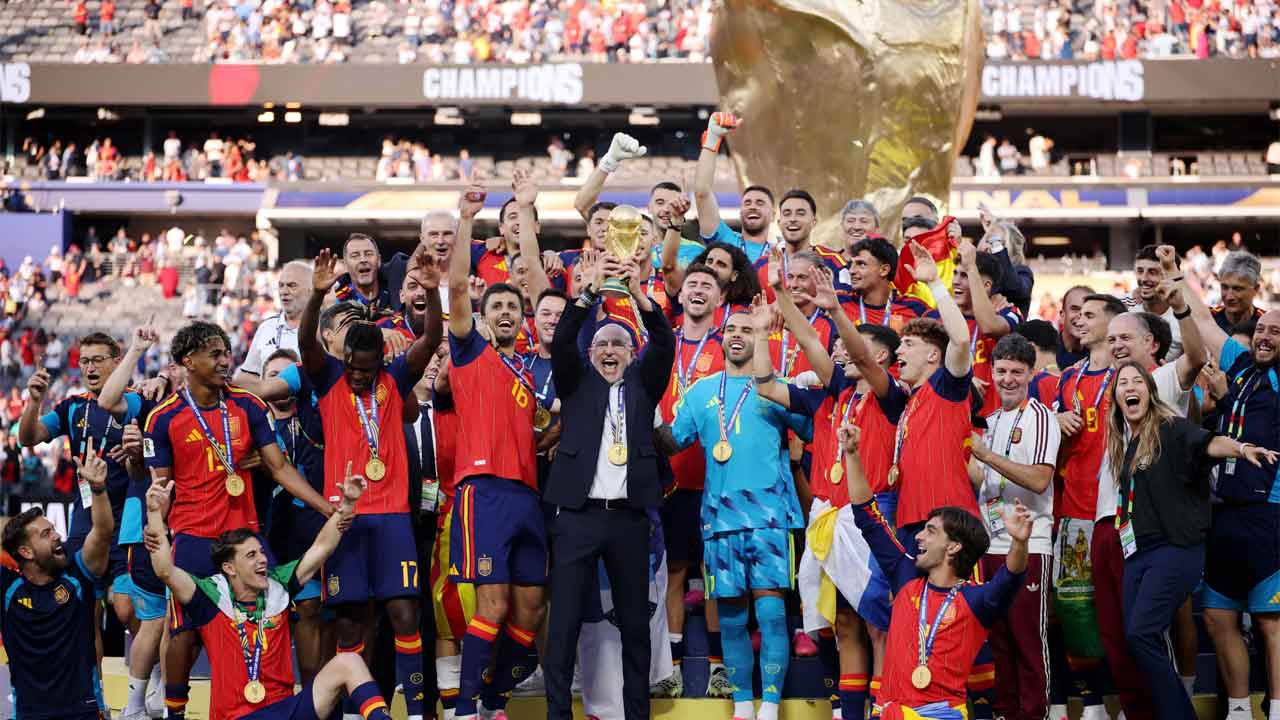
Luis de la Fuente has overseen a revival of Spain’s national team built on collective strength and a long-term development plan. He nurtured players from youth teams, fostering deep bonds, and the shift away from sterile possession toward speed, verticality, and athleticism helped Spain translate their Euro 2024 success into a World Cup triumph.
Spain’s rebuild under de la Fuente rested on a philosophy of continuity and shared identity rather than relying on individual superstars. The coach promoted players through the youth ranks, creating a core that already understood one another’s tendencies and responsibilities. That continuity allowed the senior side to adopt a different tactical emphasis while preserving cohesion and a strong team ethic. The Euro 2024 victory served as a preparatory milestone that set expectations and provided the platform for the World Cup success.
De la Fuente’s approach emphasized collective responsibility and a developmental pipeline that delivered players well versed in the national setup. By integrating talent from youth teams, the squad benefited from pre-existing relationships and mutual understanding that shortened the adjustment period at the senior level. Those bonds between players reinforced a tactical transition that de la Fuente and his staff implemented gradually and deliberately.
Tactically, the team abandoned sterile possession for speed, verticality, and athleticism, altering the way Spain controlled and attacked matches. Rather than prioritising possession for its own sake, the side focused on quicker transitions and purposeful forward movement. This recalibration required different physical and mental attributes, which the coaching staff cultivated through training and selection choices drawn from the youth programme.
The timing of the tactical switch was significant: Spain’s Euro 2024 triumph provided both confidence and a testing ground for these ideas. Success at the continental level meant the players carried momentum and belief into the World Cup campaign. The continuity between tournaments allowed de la Fuente to refine his methods against top opposition while maintaining the developmental trajectory he had established.
The national team’s resurgence highlights a broader lesson about modern football: durable ideas and organizational structure can outweigh the influence of individual icons. Spain’s model under de la Fuente prioritized systemic strength — the network of youth development, interpersonal familiarity, and tactical clarity — as the foundation for elite performance. That framework made the squad resilient and adaptable across different competitions.
Spain’s recent achievements under Luis de la Fuente reflect a coherent strategy that married youth development with a purposeful tactical evolution. The emphasis on collective cohesion and a faster, more vertical style converted Euro 2024 promise into World Cup triumph, illustrating how sustained planning and shared identity can restore a national team’s standing on the world stage.