Muhammad Rizwan contacts ICC Anti‑Corruption Unit amid Pakistan probe, seeks procedural clarity

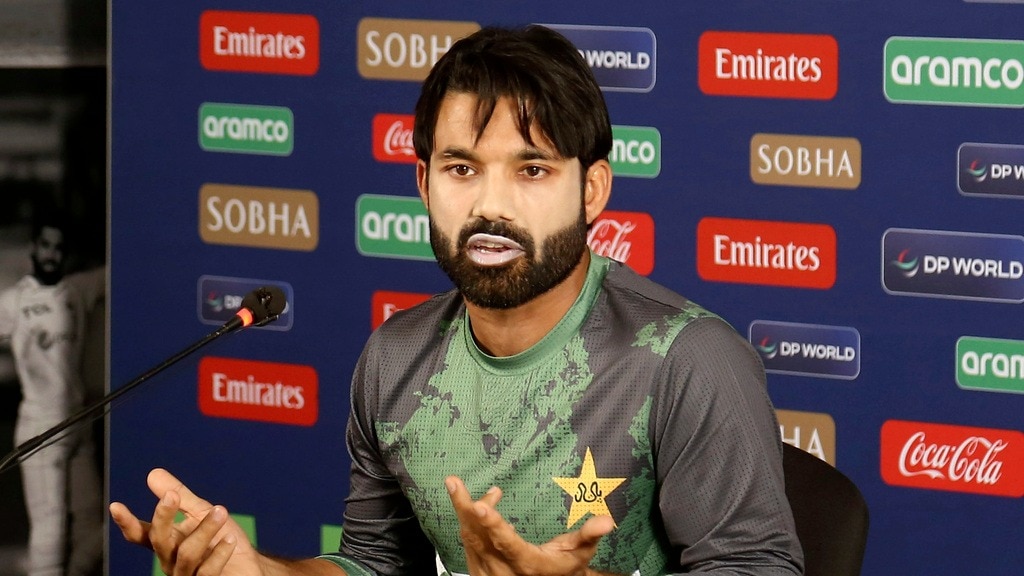
Former Pakistan captain Muhammad Rizwan on September 18, 2026 contacted the International Cricket Council's Anti-Corruption Unit asking for clarification on the procedure to be followed when a player is suspected of involvement in corruption, amid a government investigation into alleged links to illegal betting and gambling websites. The request comes as Pakistan's National Cyber Crime Investigation Agency continues its probe and after the Lahore High Court rejected a challenge to the agency's jurisdiction.
The Lahore High Court on Thursday dismissed a writ petition that had challenged the National Cyber Crime Investigation Agency's (NCCIA) authority to investigate alleged betting and gambling links. Rizwan was ordered to return to Pakistan from the England tour along with Salman Ali Agha and Imam-ul-Haq and has since been questioned by the NCCIA. The wicketkeeper-batter has played around 250 international matches across the three formats and, according to the report, has had no previous allegations of involvement in illegal betting or gambling during his more than 10-year international career.
Rizwan has asked the ICC ACU specifically whether the Pakistan Cricket Board followed the prescribed procedure if it suspected any of its players of corruption. The ICC's anti-corruption framework states that when any player of a member country is suspected of corruption or breaches the anti-corruption code the ICC's anti-corruption unit conducts its own inquiry and informs the relevant board.
The Pakistan Cricket Board has not publicly clarified whether it suspects Rizwan of illegal practices or whether it has notified the ICC Anti-Corruption Unit, a step the report describes as mandatory under the anti-corruption laws. A leaked letter from the NCCIA reportedly stated Rizwan had been summoned over his seized mobile phone and connections to some illegal betting and gambling sites.
A former Test captain who knows Rizwan, speaking on condition of anonymity, said: "It would be a big shock for me if any of the current lot of players were found involved in such corruption," the former captain who declined to be named said on Friday. The report says the Pakistan team’s security personnel confiscated the phones of Rizwan and Imam in London during the second Test at Lord's; the devices were not returned and are now being forensically examined by the National Cyber Crime agency.
Rizwan and Imam both appeared before the NCCIA for questioning on their return from London, but no details of those meetings have been released. Geo TV reported that Rizwan repeatedly insisted on being told the charges or suspicions against him but did not receive a clear answer, and that his lawyer, though present in the building, was not allowed inside.
Pakistan cricket has previously been affected by fixing and betting scandals, including cases in the 1990s and the 2010 spot-fixing convictions of Salman Butt, Muhammad Asif and Muhammad Amir. Other players named in past breaches of the anti-corruption code include Sharjeel Khan, Khalid Latif, Umar Akmal, Asif Afridi and Muhammad Nawaz, who have been banned or fined in the Pakistan Super League or other competitions; media reports also said two years back Rizwan and Babar Azam refused to display certain franchise sponsor logos in the PSL.
The immediate next steps in the matter are the ongoing forensic examination of the confiscated phones by the NCCIA and the response Rizwan is awaiting from the ICC Anti-Corruption Unit regarding the procedural questions he has raised; the Pakistan Cricket Board has yet to state publicly whether it notified the ICC as required under the anti-corruption rules.