Players Who Have Scored in More Than One FIFA World Cup Final

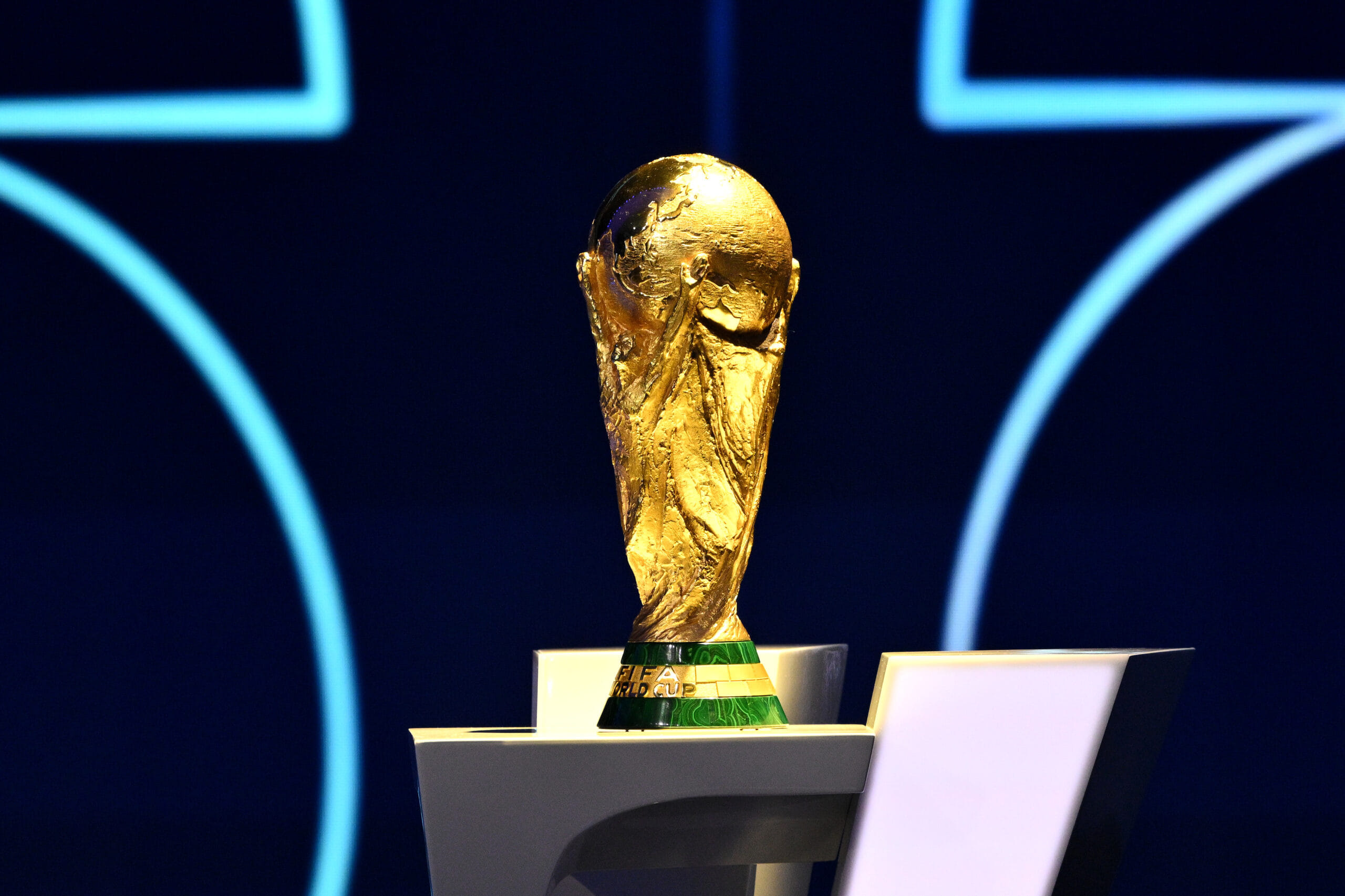
A compiled roster identifies every player who has found the net in multiple FIFA World Cup finals. The list highlights notable names such as Pelé and Kylian Mbappé and summarizes the defining contributions that earned them places on this roll call.
Scoring in a World Cup final is one of football’s most consequential achievements, and repeating that feat across separate finals is even rarer. This compilation gathers those individuals whose goals came in more than one final match, tracing the occurrence across different eras of the tournament. It treats each entry as a record of that specific accomplishment rather than a broader evaluative ranking. The focus remains squarely on the players who reached the scoresheet on multiple occasions in finals.
The players included span generations, reflecting how the World Cup final has produced recurring moments of individual impact. Each entry on the roster records the occasions in which a player scored in final matches, with attention paid to the fact of multiple final goals rather than comparative judgments. By concentrating on that single criterion, the compilation draws a clear line around a distinct and uncommon achievement in international football. Readers can see how the act of scoring in finals has been repeated by a select group of performers.
Descriptions accompanying each name convey the nature of those final goals and their immediate significance within the match. The compilation emphasizes the context of the goals—whether they opened the scoring, changed the balance of the game, or contributed to a final outcome—without expanding into wider career narratives. Presenting the goals themselves allows the moment to stand on its own as part of World Cup final history. This approach keeps the focus on the occasions when the ball hit the net on the sport’s biggest stage.
The roster also implicitly highlights the relationship between individual moments and national achievement in the finals. A goal in the culminating game of the World Cup carries weight well beyond the personal statistics of the scorer, and multiple such contributions compound that significance. By listing those who have done it more than once, the compilation underscores the exceptional nature of repeated high-stakes scoring. The entries therefore serve as succinct reminders of how singular occasions can shape legacy.
Names such as Pelé and Kylian Mbappé appear among the examples cited, signaling the range of eras represented and the continuing relevance of the feat. The compilation avoids speculation, offering instead a clear factual account of who reached the scoresheet in multiple finals. Its intent is to document and preserve those specific historical instances for reference.
The assembled list functions as a concise reference for anyone interested in the rare achievement of scoring in multiple World Cup finals. By cataloguing each qualifying player and the occasions of their goals, it provides a focused record of this particular slice of World Cup history. Readers seeking the precise entries will find the documented names and moments laid out for straightforward consultation.