Premier League shirts set to change after clubs vote to ban gambling front‑of‑shirt deals

Premier League clubs have voted to ban gambling companies from front-of-shirt sponsorship, meaning shirts across the division will look different this season after two campaigns in which 11 of the 20 clubs carried betting branding.
Shirt sponsorship in English top‑flight football has shifted markedly since corporate logos first appeared regularly in the 1980s, moving from local and national firms such as Draper Tools, Crown Paints, JVC and Sharp to international sponsors targeting global markets. The first club front‑of‑shirt deals followed the Football Association and Football League allowing sponsorship before the 1979-80 season, with Everton's Hafnia and Liverpool's Hitachi among the earliest examples; the TV ban on logos was lifted by 1983-84 and all 22 top‑flight clubs had sponsorships. The 2005 Gambling Act opened the door to betting companies, and the sector's presence on shirts expanded markedly from 2006 onwards.
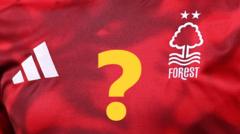
Eight Premier League clubs needed to find new principal sponsors this summer because of the gambling ban, and Nottingham Forest remain without a new principal partner. Sunderland and Chelsea also remain to be resolved, with Chelsea having carried only a short‑term front‑of‑shirt deal with IFS, an AI technology company, for a few months last season.
Several clubs have already moved away from gambling partners towards technology and finance firms: Crystal Palace and Fulham have switched to Temporal and ClickHouse respectively, and four Premier League clubs — Ipswich, Manchester United, Palace and Fulham — will carry tech sponsors this season. Finance is the leading sector in the current sponsorship mix, described in the article as sponsoring five of the 17 teams, with Everton having signed a deal with CMC Markets.
Kieran Maguire, professor of football finance at the University of Liverpool, said clubs' commercial expectations and the removal of gambling sponsors had affected the market. "This is mainly due to the club's perception of its worth not being matched by that of sponsors themselves," Maguire said. "And the removal of gambling sponsors which has reduced supply." He also noted the rise in commercial revenue "by nearly 4,000% from £58m to £2.4bn in 2024-25".
Maguire placed the recent surge in big deals in historical context, citing Tottenham's £34m four‑year agreement with Mansion in 2006 and the subsequent escalation of fees, such as Tottenham's 2019 deal with AIA worth £320m over eight years at £40m a season. "There is no doubt that the big six clubs, as global brands in their own rights, have always been able to generate the highest fees," Maguire said. "Manchester United's deal with Snapdragon is estimated to be worth about £60m a year, but at the other end of the spectrum a newly promoted club may struggle to get more than £5m or £6m."
Clubs have explored alternative placements and products to retain sponsor income: back and sleeve sponsorships were permitted from the 2017-18 season, Betano has moved from Aston Villa's shirt to the sleeve and Everton have done the same with Stake.com, while Bournemouth have brought their stadium sponsor Vitality onto the front of shirts and will retain gambling advertising elsewhere with MrQ on the sleeve and SBK on training wear. Manchester United's training‑kit training deal with a betting company is reported to be worth up to £20m a year, and only five of the 20 Premier League clubs have confirmed there will be gambling logos somewhere on their clothing.
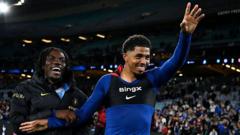
The next area of commercial contention may be cryptocurrency firms on sleeves: BingX sponsors Chelsea and OKX has a sleeve agreement with Manchester City, and the Financial Conduct Authority has described them as external "questionable sponsorship deals with unauthorised financial firms"; the article also notes that crypto casinos could be banned from the end of the season too.