Rain fails to stop athletics at Glasgow 2026 as safety protocols and infrastructure hold firm

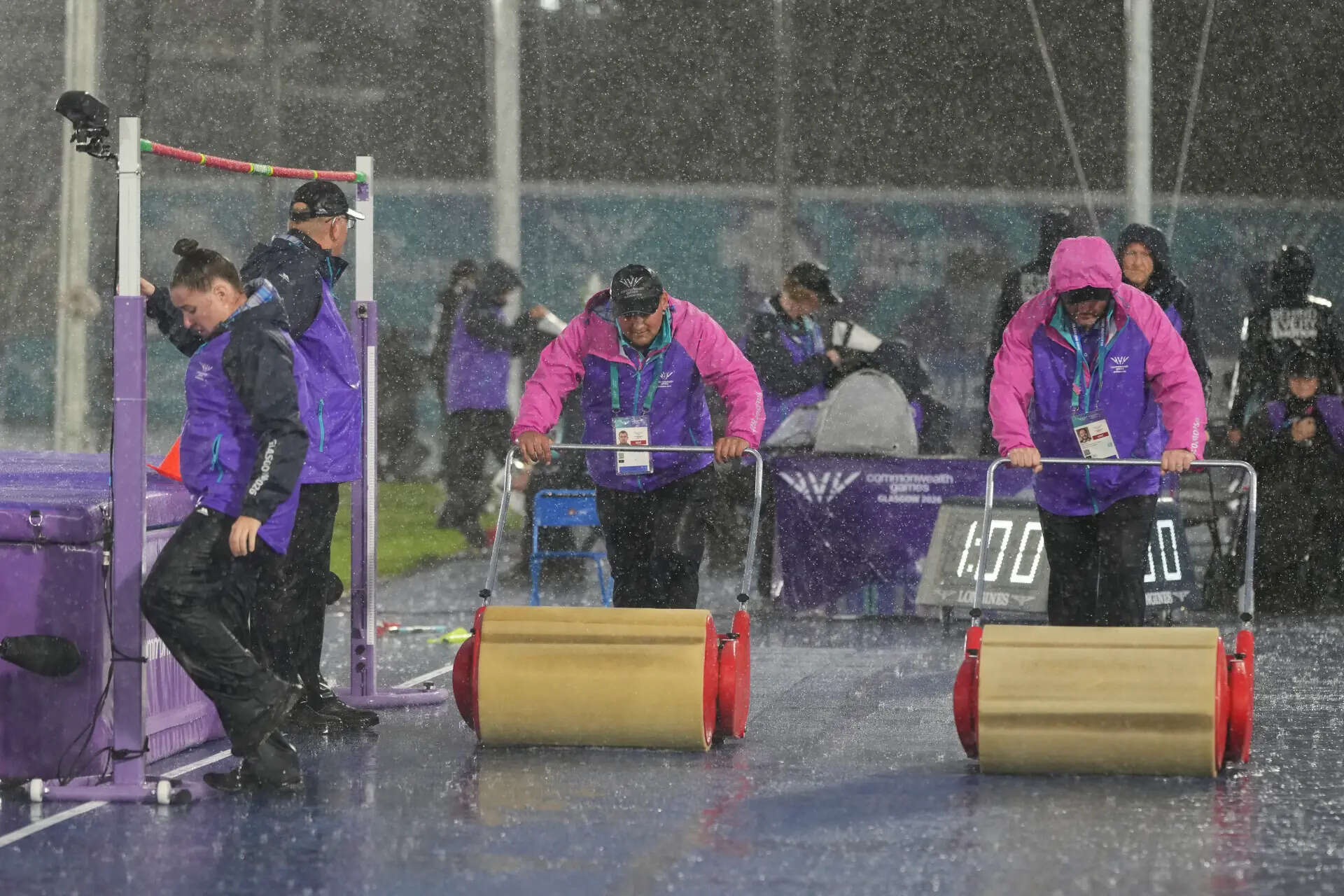
Heavy rain has affected athletics at the 2026 Commonwealth Games in Glasgow, but competition has continued after officials assessed conditions. Organisers and event authorities say the sport’s rules and venue capabilities allow meets to proceed while ensuring athlete safety.
Glasgow’s variable weather has posed a challenge for track and field events at the Commonwealth Games, yet the schedule has largely remained intact. Athletics regulations permit competition in rain if safety is maintained. Modern facilities and drainage systems manage wet conditions effectively. Reserve days are not kept due to complex scheduling and logistical issues.
Event rules place the onus on meet officials to determine whether conditions are safe enough for athletes to compete, and that determination guides whether a session proceeds. When rain falls, referees and technical delegates evaluate the state of the competition areas and related equipment before greenlighting a start. The priority remains the welfare of participants, and decisions are made in real time based on the prevailing circumstances.
The venues assembled for Glasgow 2026 have been designed to cope with precipitation and to limit disruption. Drainage systems and venue maintenance work to remove standing water and preserve usable surfaces so that competition can continue when conditions allow. Organisers cite the capacities of these modern facilities as one reason events have been able to move forward despite wet weather.
Athletes at the Commonwealth level regularly face changing weather, and competition plans account for that variability. Competitors and their support teams are accustomed to adapting to rain during meets, and officials expect performances to proceed where safety is assured. The presence of experienced technical staff also contributes to maintaining standards even under challenging weather.
The Games timetable does not include buffer days for athletics, a reality organisers attribute to the complexity of scheduling multiple sports and the logistical demands of a multi-sport event. That lack of reserved dates means officials and venues must manage sessions within the planned programme rather than relying on additional days to absorb delays. Consequently, the combination of on-the-spot safety assessments and venue readiness has been central to keeping events on schedule.
With these arrangements in place, athletics at Glasgow 2026 has continued through periods of rain when officials judge conditions to be safe, and the absence of formal reserve days has reinforced reliance on infrastructure and real-time decision-making. The focus remains on conducting competitions without compromising athlete safety.