Refereeing chiefs urge VAR only for clear errors and missed incidents

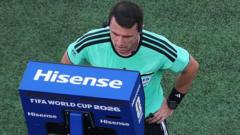
Video assistant referees should only be used to change "blatantly incorrect" decisions and clear missed incidents, say European refereeing officials. The guidance emphasises a narrow role for VAR interventions rather than routine review of marginal calls.
The recommendation, put forward by European refereeing officials, seeks to define the circumstances in which VAR should overturn or alter on-field rulings. It limits intervention to cases where an initial decision is obviously wrong or where a significant incident was overlooked. The statement underlines the officials' view that technology should correct only clear mistakes rather than second-guess close judgments made in real time.
Officials explained that restricting VAR to such situations aims to preserve the match flow and the authority of the on-field referee. They framed the guidance around the twin priorities of correcting manifest errors and addressing incidents that were missed during play. The emphasis on narrow use is positioned as a way to keep technological review targeted and exceptional rather than routine.
The message also implicitly addresses debates about consistency and the application of VAR across competitions. By setting a high threshold for intervention, the officials indicate a preference for leaving subjective or marginal decisions to the referees on the pitch. This approach seeks to balance the benefits of technology with the practical realities of match management.
Adopting the guidance could affect how referees and VAR teams approach incidents in future fixtures. Teams and supporters may see fewer stoppages for review if VAR is applied only to overturn "blatantly incorrect" calls or to catch clear oversights. The officials' position therefore frames VAR as a corrective tool rather than a means of re-refereeing every contentious moment.
The guidance from European refereeing officials highlights a deliberate narrowing of VAR's remit to clear-cut situations. That position leaves the responsibility for fine-margin decisions primarily with the match referee while reserving video intervention for unmistakable errors and missed incidents.