Rishabh Pant’s paradox


Rishabh Pant scored 66 in India’s second innings in Galle during the Test series against Sri Lanka, and this column was published in Colombo on August 21, 2026. The innings included the landmark 100th six of his Test career.
Pant combines conspicuous entertainment behind the stumps with a batting style that alternates between devastating and vexing; he is a loud presence who intersperses advice to bowlers with earthy humour and one-liners. His keeping shows exceptionally rapid hands that are compared to, but not identical with, Mahendra Singh Dhoni’s approach, and his method blends the Dhoni school with an unorthodox Jharkhandi stamp. Pant has produced notable Test innings in Sydney, Cape Town, Leeds, Birmingham and Chennai after his comeback from a horrendous road accident in December 2022, while also producing innings that have frustrated observers in Melbourne 2024 and in Galle the prior week. Across 51 Tests he has scored 3,662 runs at an average of 43.59 with a strike-rate of 74.21 and eight centuries from 89 innings.
A section of critics persistently tags Pant as ‘irresponsible’, and that label resurfaced in a spirited press-box discussion during rain stoppages in Galle about whether he should keep his place. The debate ranged to whether Dhruv Jurel had earned the gloves and whether Sarfaraz Khan, a late replacement for the injured Sai Sudharsan, should return to Test action after 21 months out. That conversation took place before Pant’s second-innings 66, and those involved in it argued forcibly that Pant was expendable.
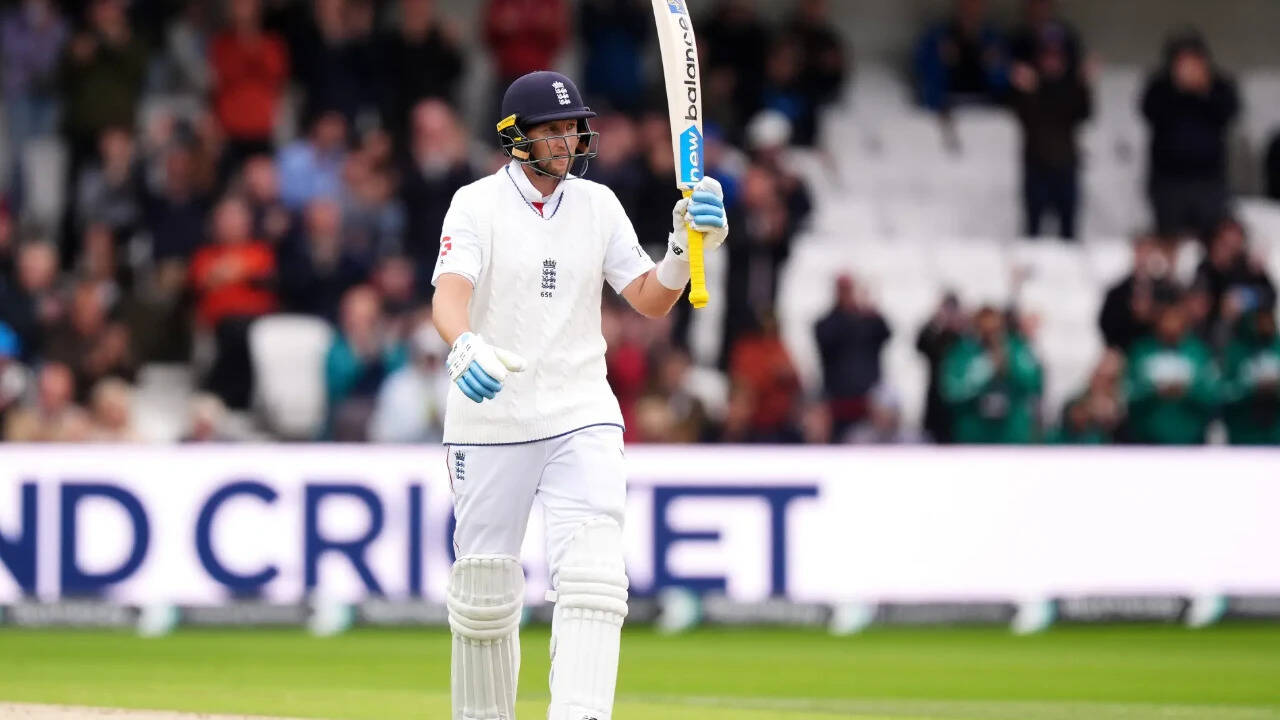
India began their second innings with a lead of 178 and were 81 for three, 259 runs to the good, when Pant walked out to replace Shubman Gill and adopted a noticeably restrained approach. He defended resolutely early on and did not play his first unorthodox scoring shot until his 14th ball when a reverse sweep against Keshara Nuwantha went to square third-man for four. He then targeted Lahiru Kumara, flat-batting a ball off its top bounce for a six that cleared the stadium, pulled Kumara for another six to reach a half-century, and struck two further fours off the pacer before miscued a pull into Niroshan Dickwella’s gloves.
Pant finished that innings on 66 from 69 deliveries, hitting eight fours and two sixes off Kumara, and by reaching that second maximum he completed 100 sixes in Test cricket. Before Pant, only Ben Stokes, Brendon McCullum and Adam Gilchrist had reached the 100-six mark. The former India vice-captain registered the milestone in his 89th innings, 41 knocks quicker than Gilchrist’s time to the mark.
The article sets the sixes milestone in a balls-faced context: Gilchrist’s 100 sixes came in 6,578 deliveries, roughly a six every 65.78 balls, while Pant reached 100 in 4,918 balls, a rate that is more than 16 deliveries quicker than Gilchrist’s. Those figures are used in the piece to illustrate the frequency of Pant’s six-hitting in Test cricket.
The column recalls historical responses to perceived recklessness, noting Kapil Dev’s omission from the Kolkata Test against England in 1984 after holing out to long-on in the second Test at Feroz Shah Kotla, with Sandeep Patil described as collateral damage; Kapil returned for the fourth Test in Chennai and continued in Test cricket for another decade while Patil did not return to the whites. It also notes that senior coaches and captains — from Ravi Shastri to Rahul Dravid and perhaps grudgingly Gautam Gambhir, and from Virat Kohli to Rohit Sharma and Shubman Gill — have generally avoided constantly telling Pant to restrain himself.
The piece adds that Pant frequently speaks to himself while batting, “often advising or berating himself”, and cites an instance in the Chennai Test of September 2024 when he persuaded Bangladesh captain Najmul Hossain Shanto to set a field to his preference. It concludes that, as India brace for eight Tests in the next seven months, including two in New Zealand, the team will need Pant firing on all cylinders even as debates about his temperament and selection persist.
Selection talk ahead of the second Test at the SSC ground remains active, but the column argues that no one in their senses will (or at least, should) seriously contemplate ‘benching’ Pant on disciplinary grounds, and underlines that India face a packed Test schedule over the coming seven months where his presence will be counted upon.