Scale of Manchester City sanctions dominates after Premier League finding, says Khaldoon al‑Mubarak

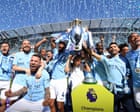
Khaldoon al‑Mubarak, chair of Manchester City, has publicly rejected an initial Premier League finding of guilt on the league’s "100‑plus" charges, declaring "Nothing is over, nothing is done." The scale of the punishment and the likely sanctions were the central story on 28 September 2026.
City’s immediate response has been combative and legally focused, with the article noting a deliberate strategy of litigation and delay and referencing Lord Pannick KC and Mystery Machine Chambers as part of that campaign. The piece describes the situation as unprecedented and says there is widespread confusion about next steps, with an expectation that sanctions might be issued first — "perhaps as early as midweek" — followed by an appeal and protracted, costly legal action.
Among the possible outcomes outlined is a more lenient package described in the article as "a combination of a major fine, a one-season points deduction and a transfer ban," a form of penalty that would allow the competition to continue with limited disruption. The writer also proposes an alternative sanction — a lengthy ban on City having any kind of sponsorship — on the grounds that it would address the core allegation that state‑owned companies were used to funnel direct investment.
The article reports a suggestion, citing Bloomberg, that political pressure may be at work: "the United Arab Emirates government wishes to see its investment protected as a quid pro quo for its trading partnership with the UK." That line is presented as part of the debate over whether external political considerations could influence the case’s outcome.
A substantial portion of the piece targets the Premier League’s governance, arguing the league "failed completely to regulate" the club and calling into question how a competition run, in the author’s words, as "basically a TV rights agency masquerading as a regulator," allowed the situation to develop. The article raises the example of Roman Abramovich and asks how organisations with documented irregularities were permitted into the competition, framing this as evidence of regulatory failure.
The wider football and financial implications are examined, including a suggestion that Uefa could seek recompense or even withdraw its patronage, though the writer says that outcome is unlikely because of "eyeballs and income flows." The piece also highlights the legal particulars, noting it is "hard to see how a combined 89 charges of failure to provide accurate information or to cooperate with an investigation can be overturned on appeal," while conceding that overturning them is "far from impossible." The author cites the court of arbitration for sport and the Uefa case as precedent for judicial reversals.
The article documents the entrenched reaction from parts of City’s fanbase and records al‑Mubarak’s public posture, quoting him directly: "This club matters to me," and reporting his remarks about "media reporting" and family, including the line "Here’s what I said to my family," followed by his claim: "There are so many things that I would like to be able to share with you to help you understand why we feel so confident." These quotes are used to illustrate the club’s refusal to accept the judgment and its insistence that further evidence will emerge.
The next procedural steps set out in the piece are an appeal and then potential recourse to the high court, where different rules on evidence and law may apply; the article says City’s legal team presumably underpins their optimism about that route. The writer concludes that, short of that promised new material, the immediate focus remains on the scale of any sanction and the legal processes of appeal and possible high‑court review.