Sepp Blatter: 'World Cup lost its credibility' — politics eclipsed football

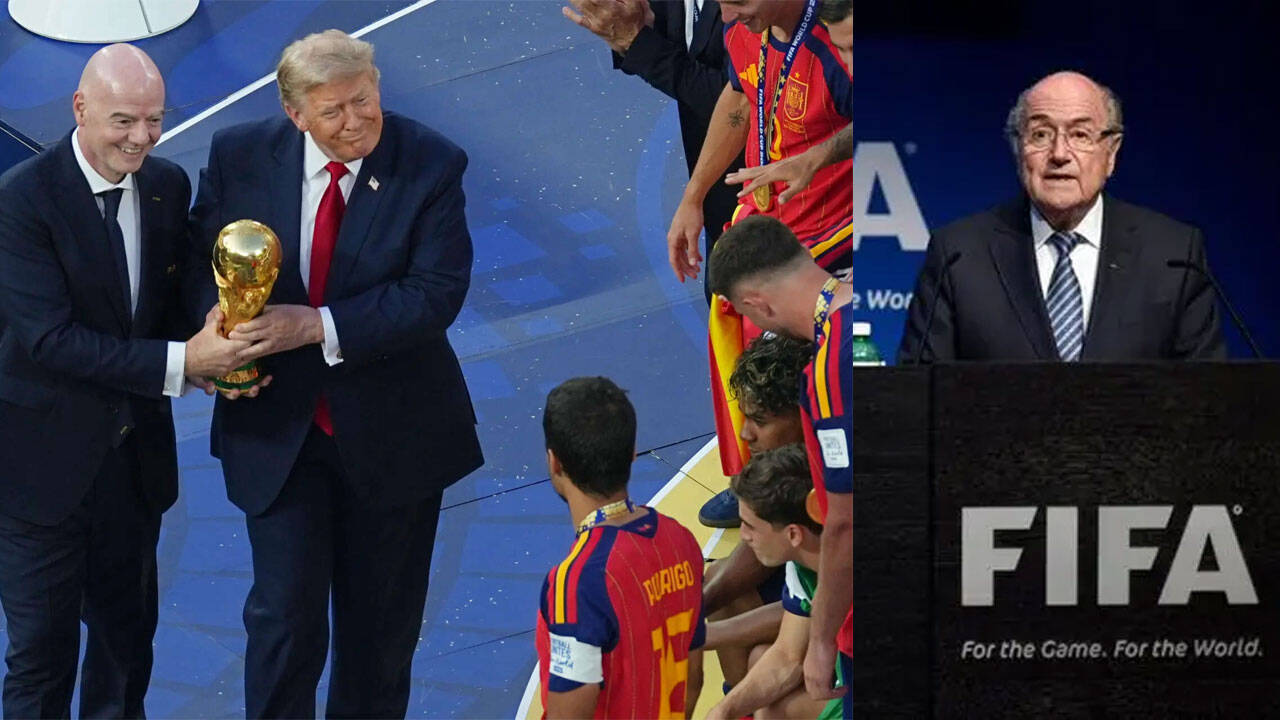
Former FIFA president Sepp Blatter sharply criticised the 2026 World Cup, saying politics had overshadowed the sport and urging fans and associations to reclaim football from political influence. Spain defeated Argentina to lift the title in the expanded 48-team tournament, while FIFA president Gianni Infantino pointed to record attendance and viewership figures.
Blatter’s remarks came in the wake of Spain’s triumph at the enlarged World Cup, a competition marked both by on-field quality and off-field controversy. The tournament featured an expanded field of 48 national teams and culminated in a final won by Spain over Argentina. Gianni Infantino highlighted record attendance and audience numbers as indicators of the event’s reach, even as debate over the competition’s integrity persisted.
Sepp Blatter, the former head of FIFA, stated plainly that the event’s legitimacy had been undermined. "'World Cup lost its credibility': Blatter says politics overshadowed football" was his core contention, and he called on supporters and governing bodies to work to remove political interference from the game. Those remarks reflect long-standing concerns about the intersection of sport and broader geopolitical forces surrounding major tournaments.
FIFA leadership emphasised different metrics when assessing the tournament’s success. Gianni Infantino emphasised the scale of attendance and viewing figures as evidence of the event’s popularity, drawing attention to record-breaking audience statistics. Organisers and officials have pointed to these numbers while acknowledging that the competition drew scrutiny over its organisation and governance.
On the field, teams delivered notable performances throughout the competition, culminating in Spain’s victory over Argentina in the final. The expanded format produced more matches and broader representation, with Spain emerging as the tournament winner in the final matchup against Argentina. Fans and commentators highlighted the quality of play even as conversations continued about the sport’s governance.
The clash between Blatter’s critique and Infantino’s emphasis on audience and attendance underscores a divide in how the 2026 World Cup is being judged. While some point to strong viewership and competitive matches as signs of success, Blatter has argued that political factors have eroded the tournament’s credibility. The debate leaves national associations and supporters with competing narratives about the event’s legacy.