Shubman Gill's cautious call with 15 overs left draws criticism after Wellington Test draw

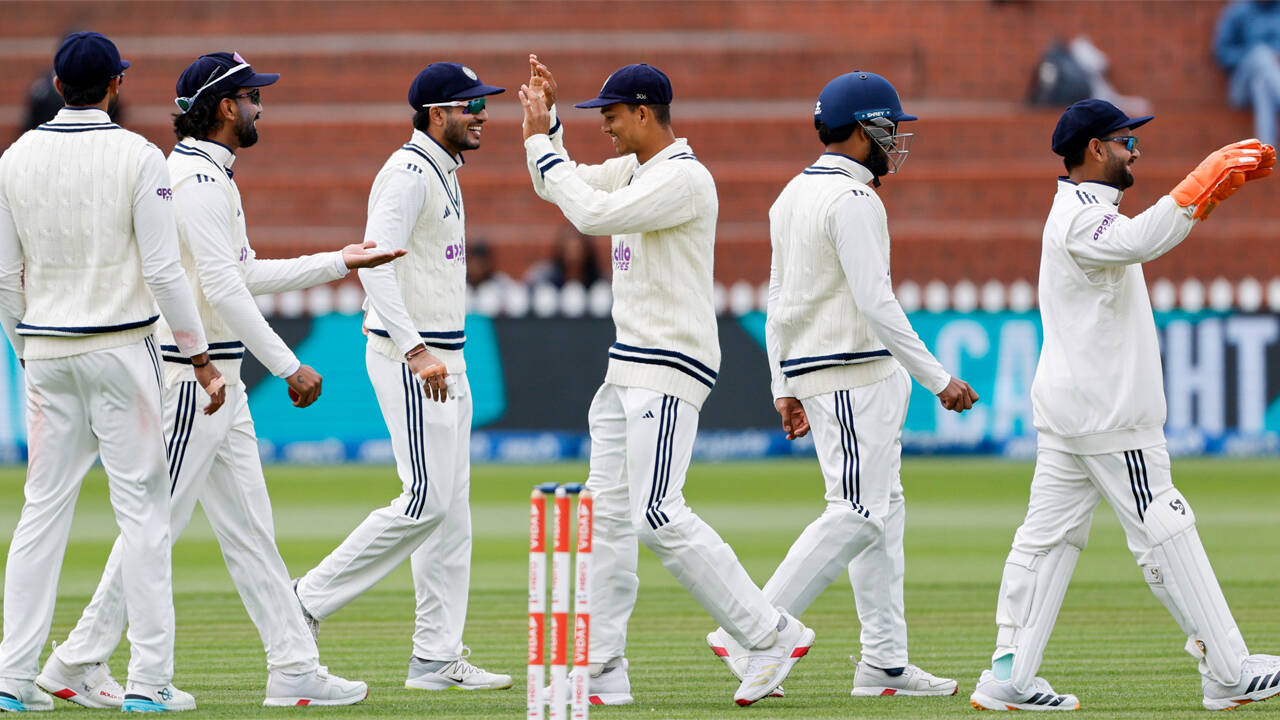
Shubman Gill's India drew the first Test with New Zealand in Wellington on Monday, November 23, 2026, after the captain opted to shake hands with 15 overs still remaining and roughly an hour of play to go. The decision, taken from a position India had engineered, has prompted questions about his captaincy as India’s World Test Championship hopes were described as being under serious threat.
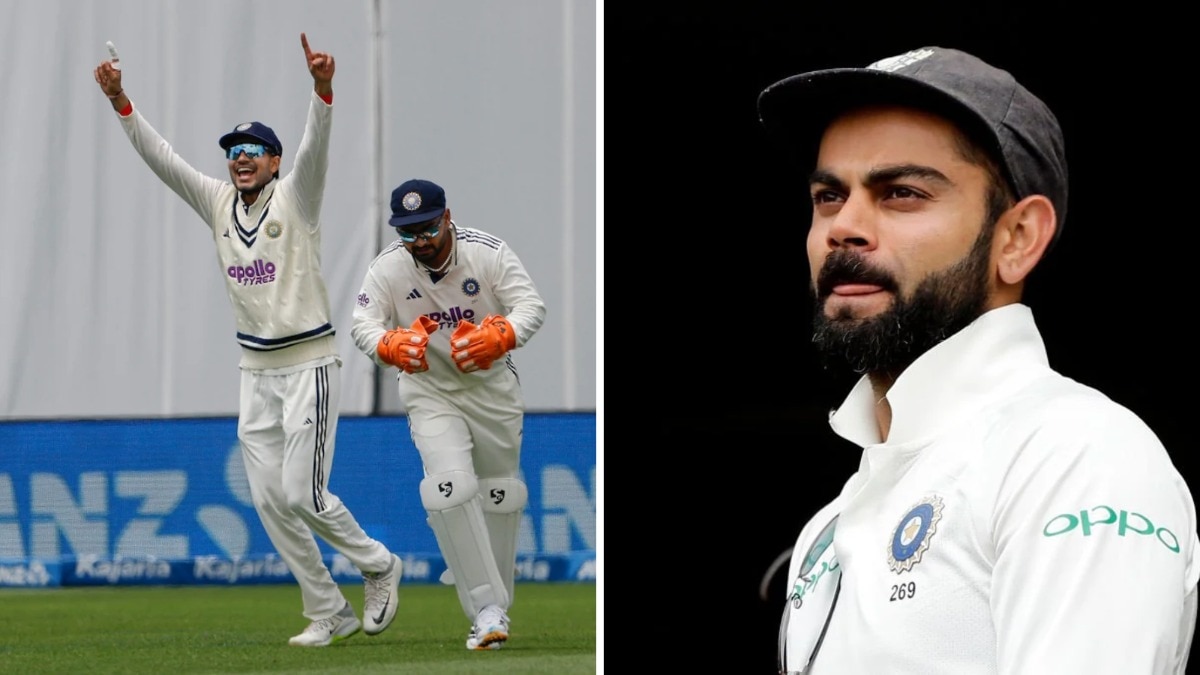
On August 16, 2021, Virat Kohli told his team: "For 60 overs, they should feel like hell out there," a line that became emblematic of an aggressive approach to closing out Tests. Broadcasters, pundits and fans had long viewed Gill as Kohli's heir apparent and noted that he inherited Kohli’s No. 4 spot in the batting order; comparisons intensified after Gill took over the Test captaincy. Those expectations, and the coaching and selection context Gill now operates within, form the backdrop to scrutiny following the Wellington draw.
Gill received credit for the timing of India's declaration, which the article states "came at the right time and gave the bowlers a genuine opportunity to chase a result." Yet when New Zealand began resisting, the attacking intent appeared to evaporate and Gill decided to end the contest with overs remaining; India had earlier failed to convert a strong position in their previous Test assignment in Sri Lanka, the piece notes, making Wellington a second such instance. The report also records that Gill "went into the pavilion for a few minutes" while the team was still seeking wickets.
Ravichandran Ashwin criticised the lack of urgency around the field and in the dressing room. "I would have loved to see the play continue for the next 15 overs as well. You need to take five wickets, and I would say you should at least try to take wickets for another 10 overs because you never know what can happen suddenly in overcast conditions. I am not saying India will definitely win the match. I just want to see that urgency to win." Ashwin added: "Yes, the pitch had slowed down a lot. I have seen this in New Zealand. You would have got sharp turn only if this Test went onto Day 8." He continued: "You need urgency on the field. There is one thing you can learn from Virat Kohli’s captaincy. I will never say that another captain or another bowler would have won you the Test match from that situation. But, urgency helps." Ashwin went on to say: "I noted Daryl Mitchell wasting time by trying to fix the sight screen. He was talking to our captain, our players. He was laughing and sharing jokes with our fielders. These things never happened in our team. Yes, when we had the upper hand, we would find time to enjoy. But, when we are chasing a result, we were always ready for a fight. You can’t let the batter go into his comfort zone. The fielders were not coming close." He concluded: "I didn’t see the belief in them to win the match."
Dinesh Karthik also questioned tactical choices around defensive field placements during phases when India needed wickets. "I would like to ask you the logic behind having boundary riders in phases of play where you're looking to get wickets and you don't mind a boundary being scored. Even in Sri Lanka, there were times when they had boundary riders," Karthik told Cricbuzz. "Now, the modern-day cricketer can play lofted shots quite well, so you're hoping that you don't miss out when he mishits one. But the modern-day cricketer is also quite comfortable taking singles in a Test match if they are available, rotating the strike." He added: "Also, what's the mindset of the bowler when you have an outfielder? Is he bowling defensively or is he still bowling attacking? Those are the kinds of questions that are pertinent."
Selection decisions for Wellington — notably the omission of Mohammed Siraj and Ravindra Jadeja — have also been raised as matters of debate in the event of India failing to win the series. The article records that Gill defended the choice and "even pointed out that Siraj was a good friend." Former India captain Kris Srikkanth criticised the omissions on his YouTube channel: "These two just won India matches in England last year. It's unbelievable that these two were dropped. Why do you have to play both Kamboj and Akash Deep? Playing both is a waste. After Bumrah, India's best Test bowler is Siraj. So how can you drop him? Jadeja has won you so many Tests everywhere through his batting and bowling," he said.
The piece stresses that Gill is building his leadership identity and that he does not have to mimic Kohli’s style. "There is nothing wrong with a captain working closely with his support staff. But at some point, he has to establish his own identity and take ownership of the direction in which the team is headed," the article states, adding that "Gill does not need to get into the faces of opponents or wear his emotions on his sleeve to prove that he is an attacking captain. But he does need to show that he is willing to take risks, keep pushing for wickets and make the opposition uncomfortable when a result is within reach."
The Wellington stalemate exposed concerns that India allowed New Zealand too much room to settle and did not sustain pressure when a result was still possible; the article warns that "15 overs of charity is not the kind of cricket a team chasing a World Test Championship final spot can afford." It says the episode has highlighted an area Gill must address promptly if India are to avoid repeating missed opportunities as they pursue WTC qualification.